.png)



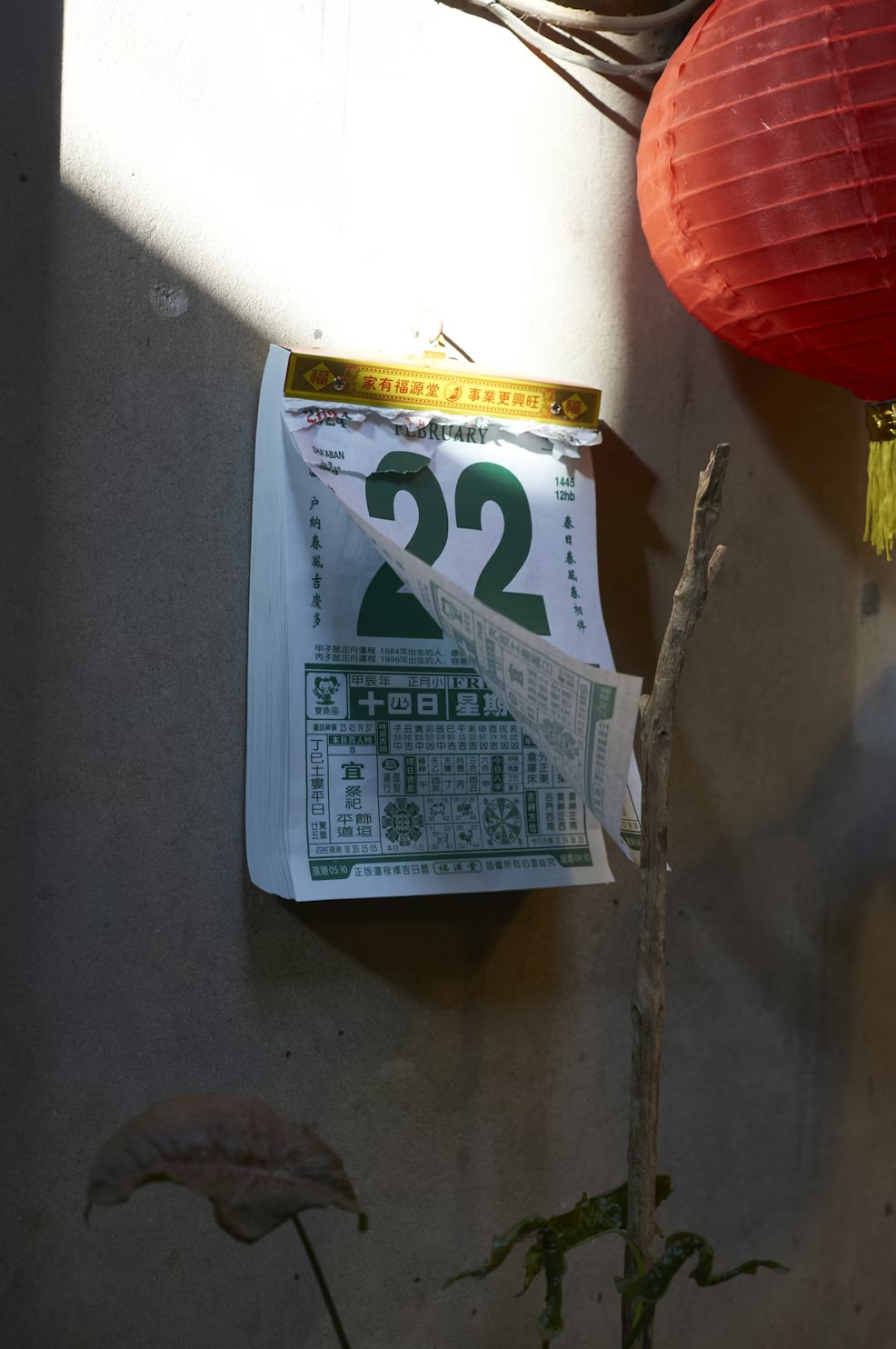
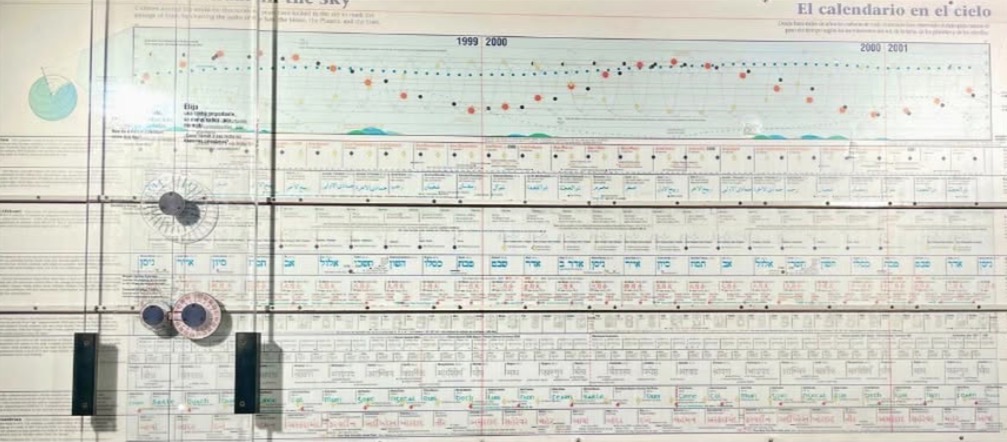
For a long time, time has been seen as a concept. Ancient civilizations developed complex systems like clocks and calendars based on observations of day and night, seasons, and celestial bodies, transforming time from a concept into a theory. With the concept of "time," there emerged the notions of "position" and "space," along with the existence of "matter" and "opportunity." In this sense, the theory of time is about integrating concepts into tangible life.
長久以來,時間被視為一個概念。從對白天和黑夜、季節和天體的觀察中,古代文明發展出像時鐘和曆法這樣的複雜系統,將時間由概念轉為理論。有了「時」後,便有了「位」和「空」,同時便有了「物質」和「機會」。這樣說來,時間理論就是把概念放入實體生活中。
Time, calendars, and seasons are perceived as cycles collectively, and various cultures have created their own ways of calculating and using cycles based on regional observations, beliefs, and interpretations.
時間、曆法、季節都被視為一個循環,基於不同地區的觀察、信念和解釋,各種時鐘和曆法因文化差異而創造了自己的循環計算方式和用法。
For example, in Chinese culture, the concepts of 24 solar terms and 12 two-hour-periods reflect a unique perspective on time, influencing meridian channels and different parts of the body.
例如在中國文化中,24節氣和12時辰的概念反映了對時間的獨特看法,影響著經絡通道和身體的各個部分。
In human biology, women not only experience shared time and seasonal cycles but also have personal menstrual cycles.
在人體生理學中,女性大多都會除過著共同時間及季節循環外,亦會擁有個人經期的時間循環。
Bio-Architect Neri Oxman has created Kreb Cycle of Creativity, intertwining time and creativity as a cyclical system.
而生物建築師Neri Oxman亦創造了「時鐘」系統 (Kreb Cycle of Creativity),將時間和創造力交織在一起,作為一個一分為四、四為合一的一個時間循環系統。
Taking a step back, the proximity of birth and death starts within the mother's womb. From ages 0 to 30, one learns to crawl; from 30 to 60, one learns to walk; after 60, one begins to understand life, then enters another phase of the cycle. However, some age gracefully, others age early; some grasp the essence of life like immortals early on, while others only realize it in their silver years. Each person's experiences, success, lessons, aging process, awakening, and letting go occur at different speeds, resulting in unique timelines for life.
退一步看,由於母體內出現的第一天就開始與死亡接近。人在0至30歲時學爬,30至60歲懂得學行,60歲後才了解甚麼是人生,然後又到另一階重新循環。但有些人凍齡,有些人很早衰老,有些像神仙一樣早看透塵世,有些到了銀髮一族才醒覺。每個人的經歷、壽命、成功、失敗、醒覺、放下速度的時間表都有別。
Whether ancient or modern, most people share the same 24 hours every day. However, understanding one's personal time is essential to seizing opportunities. Rather than living in others' lives and spending time on comparisons, envy, or jealousy, investing in understanding and mastering our own or our kids timeline will enrich and elevate the quality of life in the right timing.
無論是古人還是現代人,大多數人每天都共同擁有24小時,但懂得了解個人的時間,才能有能力把握時機。與其活在別人的生命中,花時間在對比、羨慕或嫉妒上,倒不如投資在理解和掌握自己及自己子女個別的時間才會使一家的生命質素在合適的時機中提升。
Cover Photo : Brigitte Tohm / Unsplash
Disclaimer: This publishing is made for informational and educational purposes only. It is not intended to be medical and life advice, nor an exhaustive list of specific treatment protocols. The approach and perspective is only based upon the content contributor’s knowledge, research, or clinical experience. The content creators, authors, editors, reviewers, contributors, and publishers cannot be held responsible for the accuracy or continued accuracy of the information or for any consequences in the form of liability, loss, injury, or damage incurred as a result of the use and application of any of the information, either directly or indirectly. Each plan must be individually tailored with the guidance and clinical judgment of your medical or healthcare practitioner or related advisor.
免責聲明:內容僅供資訊及教育用途,並非醫療或專業建議,亦非特定治療方案。本文所提供的方法與觀點,僅基於內容撰稿者的知識、研究或臨床經驗。內容創作者、作者、編輯、審閱者、貢獻者及出版方,對於資訊的準確性或持續準確性,或因使用及應用該等資訊而直接或間接導致的任何責任、損失、傷害或損害,概不承擔任何後果責任。每一項療法或計劃必須在您的醫療或健康護理、或相關專業人員的指導及臨床判斷下,作個別化的調整而定。