.png)



Before this consolidation, what we call Chinese medicine was not a single doctrine but a vast constellation of practices, philosophies, regional traditions, and clinical lineages that evolved across more than two millennia.² ³ Physicians debated theories, interpreted classical texts differently, and adapted their medicine to climate, culture, and available plants.
在這種整合與標準化出現之前,我們今日所稱的中國醫學並非單一學說,而是一個由各種實踐、思想、地域傳統與臨床傳承所構成的廣闊星群體系,在超過兩千年的時間中逐漸演變與發展。² ³ 醫者之間常對理論進行辯論,對經典文獻有不同詮釋,並會依據氣候、文化背景以及可取得的植物資源調整其醫療方法。
To understand Chinese medicine, one must step back from the modern label “TCM” and look instead at its long historical evolution —— an unfolding story that begins not in hospitals or universities, but in the cosmological imagination of early Chinese culture.
若要真正理解中國醫學,我們需要暫時放下「TCM」這個現代標籤,轉而回望其漫長的歷史演變—— 一段逐步展開的故事,其起點並非在醫院或大學之中,而是在早期中國文化對宇宙與自然秩序的認知之中。

Across classical texts such as the Huangdi Neijing and Shennong Bencao Jing, the language of medicine is already layered and describing qi, channels, organs, and rhythms of nature.
在《黃帝內經》與《神農本草經》等經典文獻之中,醫學的語言本身已呈現出多重層次,描繪著氣、經絡、臟腑,以及自然的節律。
Modern interpretation often reads these through a physiological lens:
qi becomes metabolism, circulation, bioelectricity; meridians become fascia networks; yin-yang becomes regulatory balance.
現代詮釋往往以生理學的視角來理解這些概念:氣被對應為新陳代謝、循環與生物電能;經絡被理解為筋膜網絡;陰陽則被視為調節性的平衡機制。
This is the foundation of what is now recognized as TCM — a system primarily concerned with postnatal regulation: the body as it lives, adapts, and responds. Yet within the same tradition, there existed another orientation, one less preserved in modern institutions. This is what many refer to as Daoist medicine.
這正是今日所稱「中醫」(TCM)的基礎——一個主要關注後天調節的系統:關於身體如何生存、適應與回應。然而,在同一傳統之中,亦曾存在另一種取向,只是在現代制度中較少被保留下來。這便是許多人所稱的「道醫」。
Where TCM refines and regulates, Daoist medicine extends further — not only into the body, but into the conditions of existence itself. It does not stop at illness of tissue or mind, but considers disturbance in what earlier language called shen which represents consciousness, spirit, or organizing intelligence : soul and spirit.
當中醫著重於調理與規範,道醫則延伸得更遠——不僅進入身體,更觸及存在本身的條件。
它並不止於組織或心智的病變,而是進一步關注古人所稱的「神」之失衡——這一概念指向意識、精神,或一種統攝萬物的內在秩序與智慧,即所謂:靈。
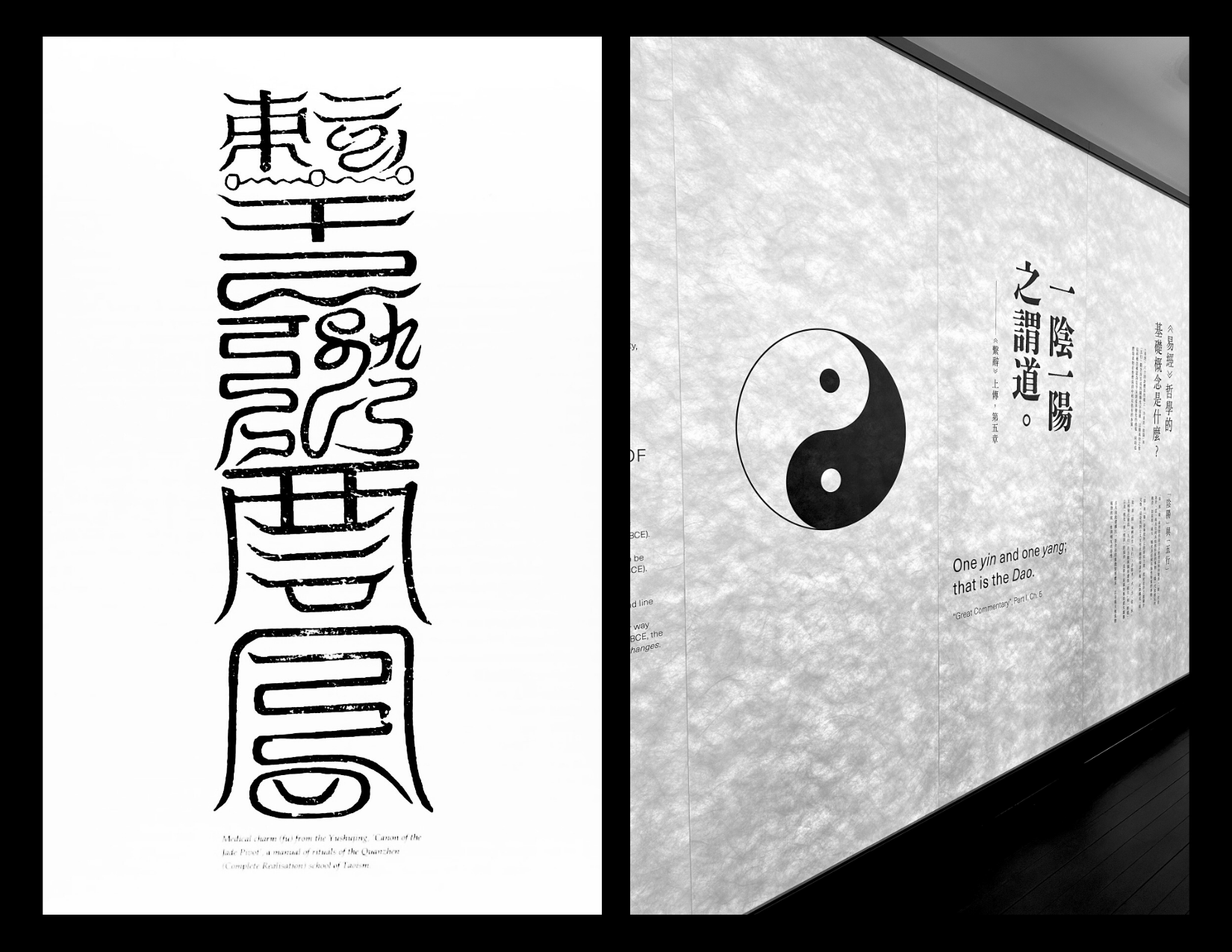
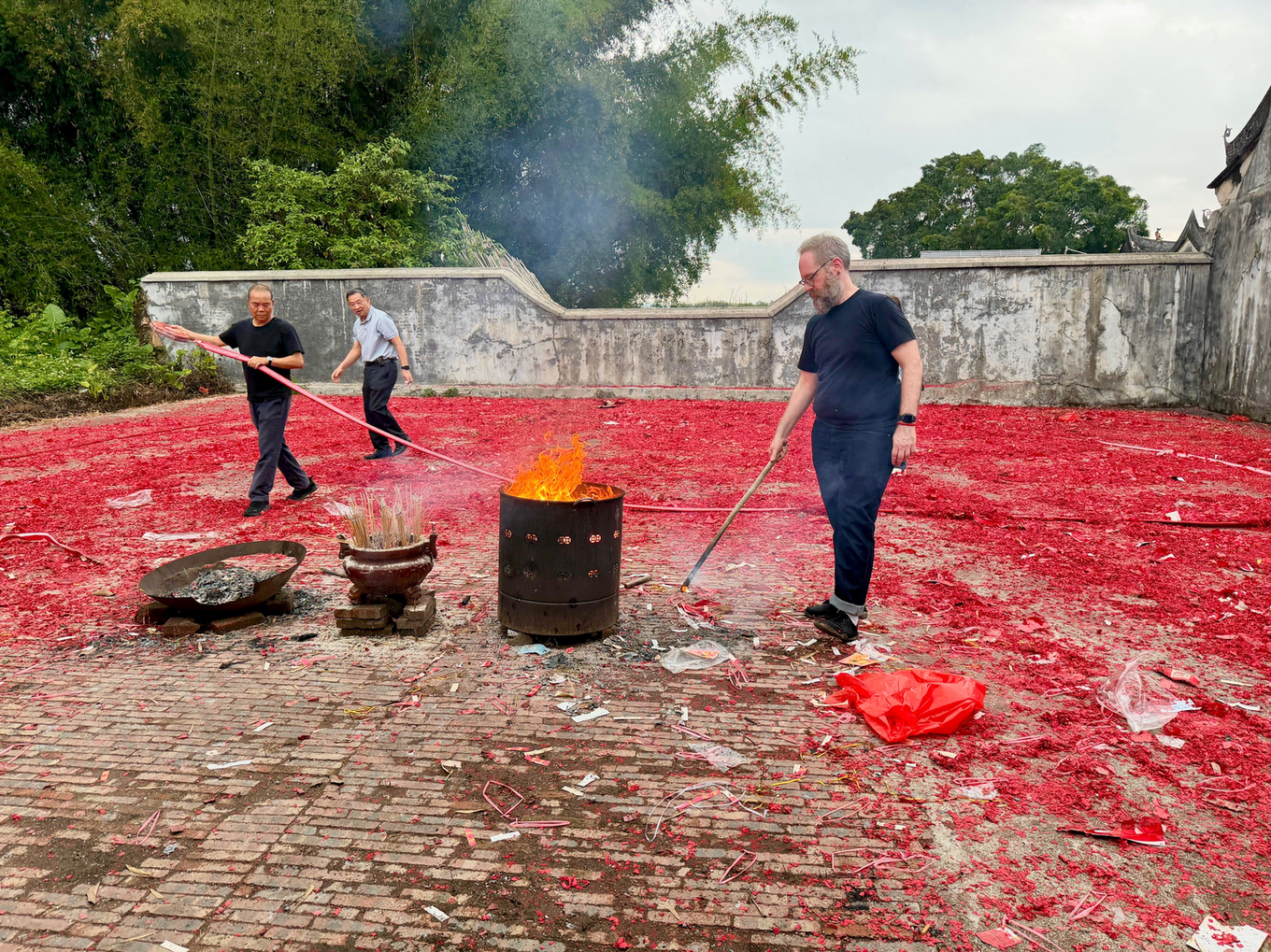
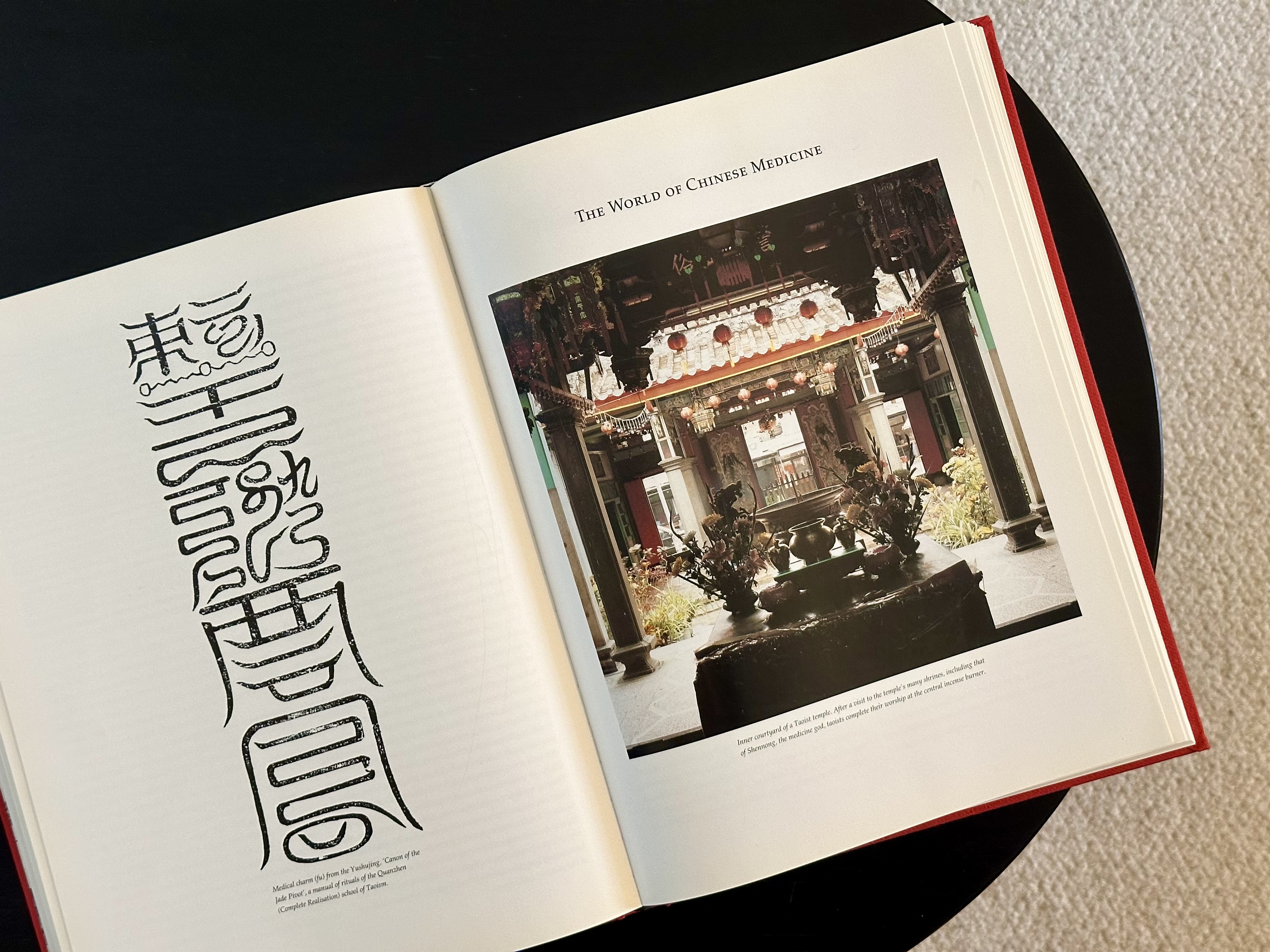
Long before medical theory was written down, healing in early China emerged from spiritual and cosmological traditions often associated with wu (巫)—ritual specialists who mediated between human and spiritual realms.⁴ ⁵
在醫學理論被書寫與記錄之前,中國早期的療癒源自與「巫」相關的靈性與宇宙觀傳統。巫者是主持儀式的專門人士,在人間與靈界之間進行調和與溝通。⁴ ⁵
Illness was rarely viewed as purely physical. Instead, it was understood through relationships with nature, ancestors, and unseen forces. Healing practices therefore combined ritual, herbal knowledge, and observation of the natural world. Early tools resembling acupuncture needles made from bone or stone, as well as heated stones used for therapeutic warmth, appear in archaeological records.⁴ ⁶
疾病很少被視為單純的身體問題。相反,它被理解為與自然、祖先以及無形力量之間關係失衡的表現。因此,療癒方式往往結合儀式、草藥知識,以及對自然世界的觀察。考古記錄亦顯示,當時已出現以骨或石製成、類似針的工具,以及用於溫熱治療的加熱石器。⁴ ⁶
Two legendary figures are often associated with the origins of Chinese medical knowledge: the Yellow Emperor (Huangdi) and the Fire Emperor, later revered as Shennong. They are traditionally credited with foundational texts that profoundly shaped the development of Chinese medicine.
當時兩位廣為人知的傳說人物黃帝以及被尊稱為「神農」的炎帝,被視為兩部對醫學發展具有深遠影響的經典著作之作者。
In the Shang dynasty, people believed that the earth was “flat and divided into three concentric squares.” The concept of the universe was used to explain the laws of nature. The relationships between human health corresponded with natural phenomena. Within this worldview, the healer was not only a practitioner but also an intermediary, seeking to restore harmony between a person and the wider forces of the cosmos.⁶ ⁷ ⁸
在商代,人們相信大地是平坦而分為三層同中心的方形。宇宙的概念被用來解釋自然運行的法則,而人體健康則被視為與自然現象相互對應。在這樣的世界觀之中,療癒者不僅是一位技術上的醫者,同時也是一位調和者,致力於恢復整個人體與更廣大宇宙力量之間的和諧。⁶ ⁷ ⁸
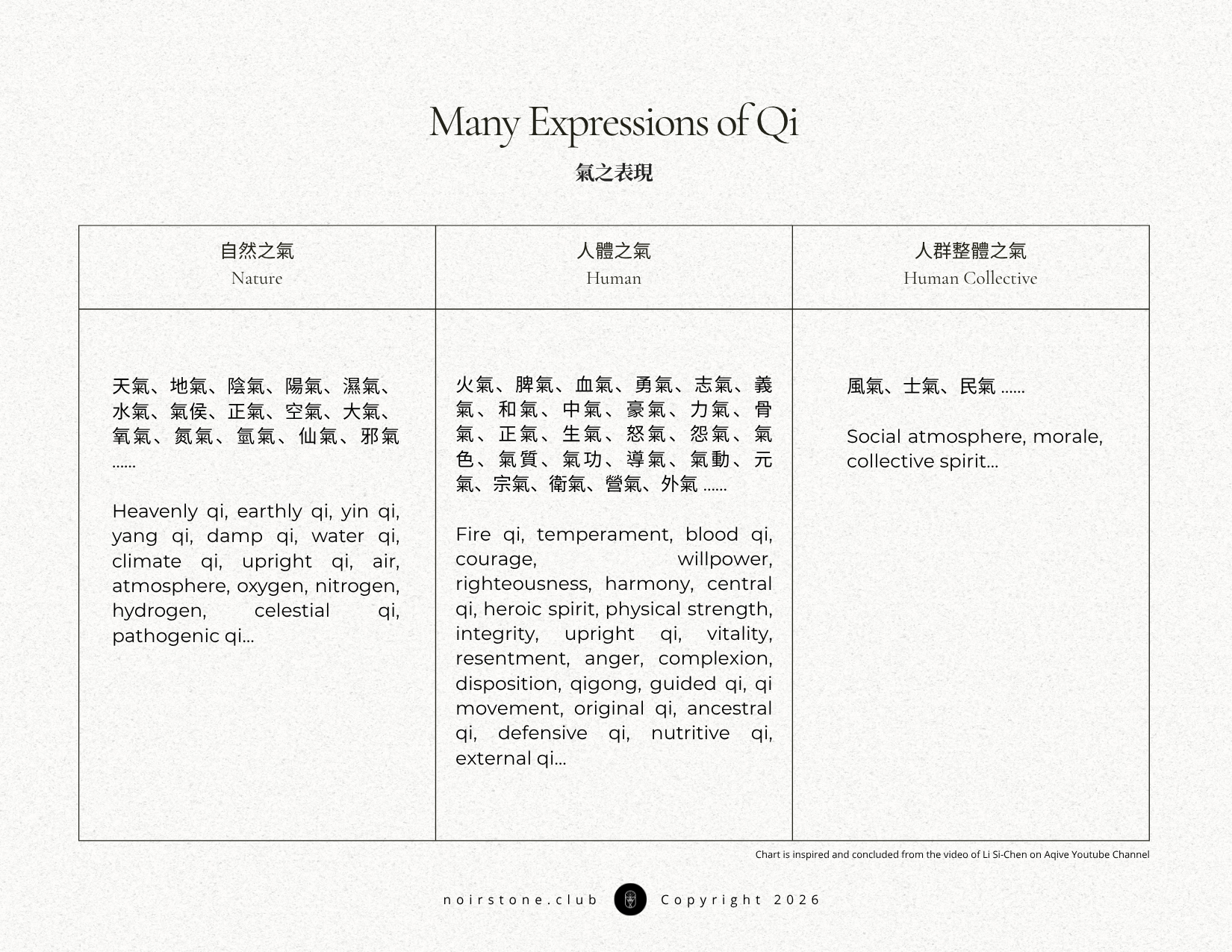
A key to understanding this distinction lies in a subtle but profound linguistic detail:
the difference between 氣 (qi) and 炁 (qi).
理解氣(qi)與炁(qi)之間的差異關鍵在於一個細微卻深遠的語言細節。
Both are pronounced the same, yet they point to different orders of reality. Contemporary research has begun to reinterpret qi in measurable terms. Low-frequency vibrations along acupuncture points, changes in brainwave patterns during qigong, and fascial signaling pathways suggest that what was once described as qi may correspond to coherent physiological processes.
兩者讀音相同,卻指向不同層次的實相。當代研究已開始以可測量的方式重新詮釋「氣」。沿著穴位的低頻振動、氣功練習中腦波模式的變化,以及筋膜的訊號傳導路徑,都顯示出過去被稱為「氣」的現象,或可對應為一種具整合性的生理運作過程。
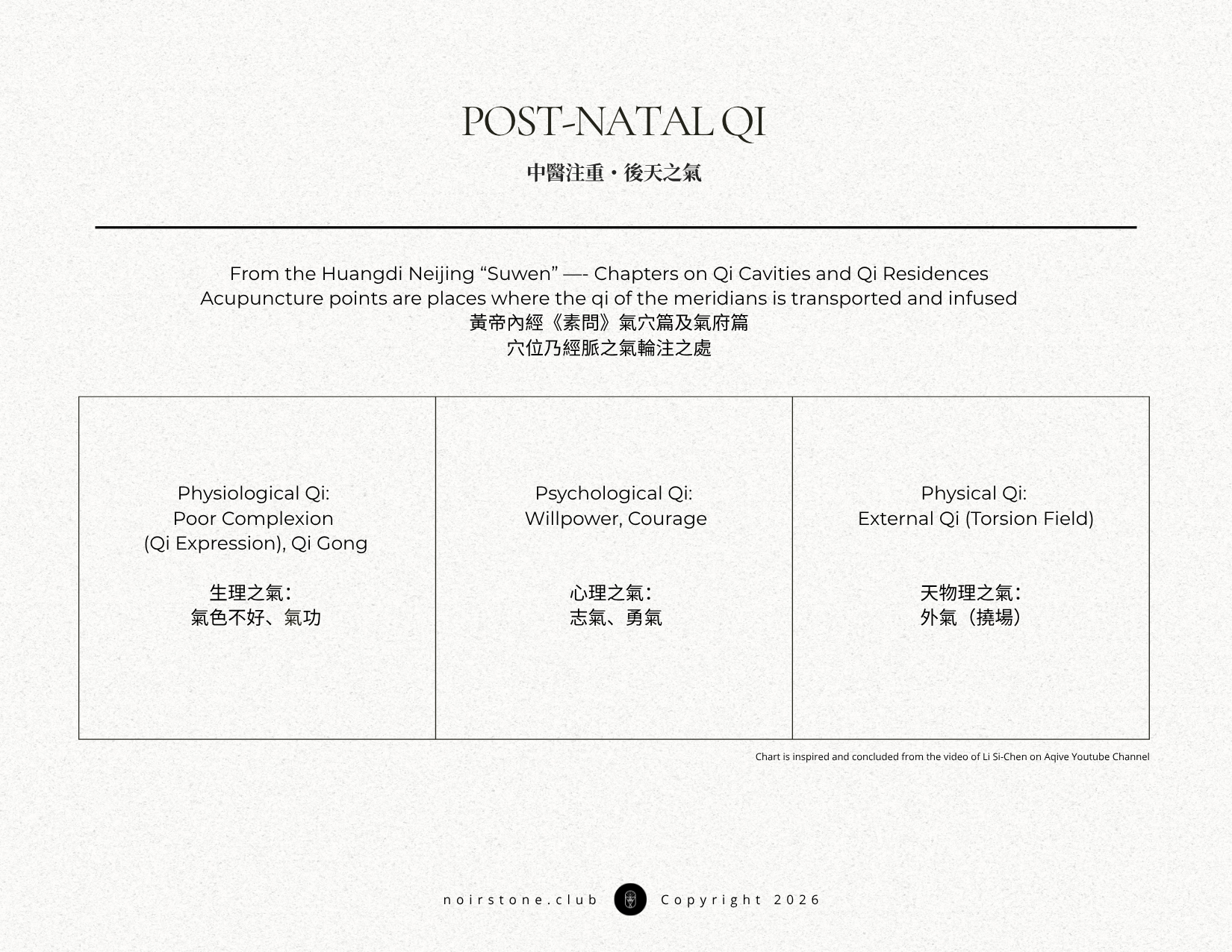
For example, studies using EEG have observed shifts into alpha-dominant states during meditative and qigong practices — indicating synchronized neural activity and systemic relaxation. From this perspective, qi becomes legible:
a material phenomenon, expressed through the body’s networks.
例如,利用腦電圖(EEG)的研究觀察到,在冥想與氣功練習期間,腦波會轉入以α波為主導的狀態 —— 這反映出整體系統及神經活動的同步化。從這個角度來看,「氣」變得可被理解:它是一種透過身體網絡所呈現的物質性現象。
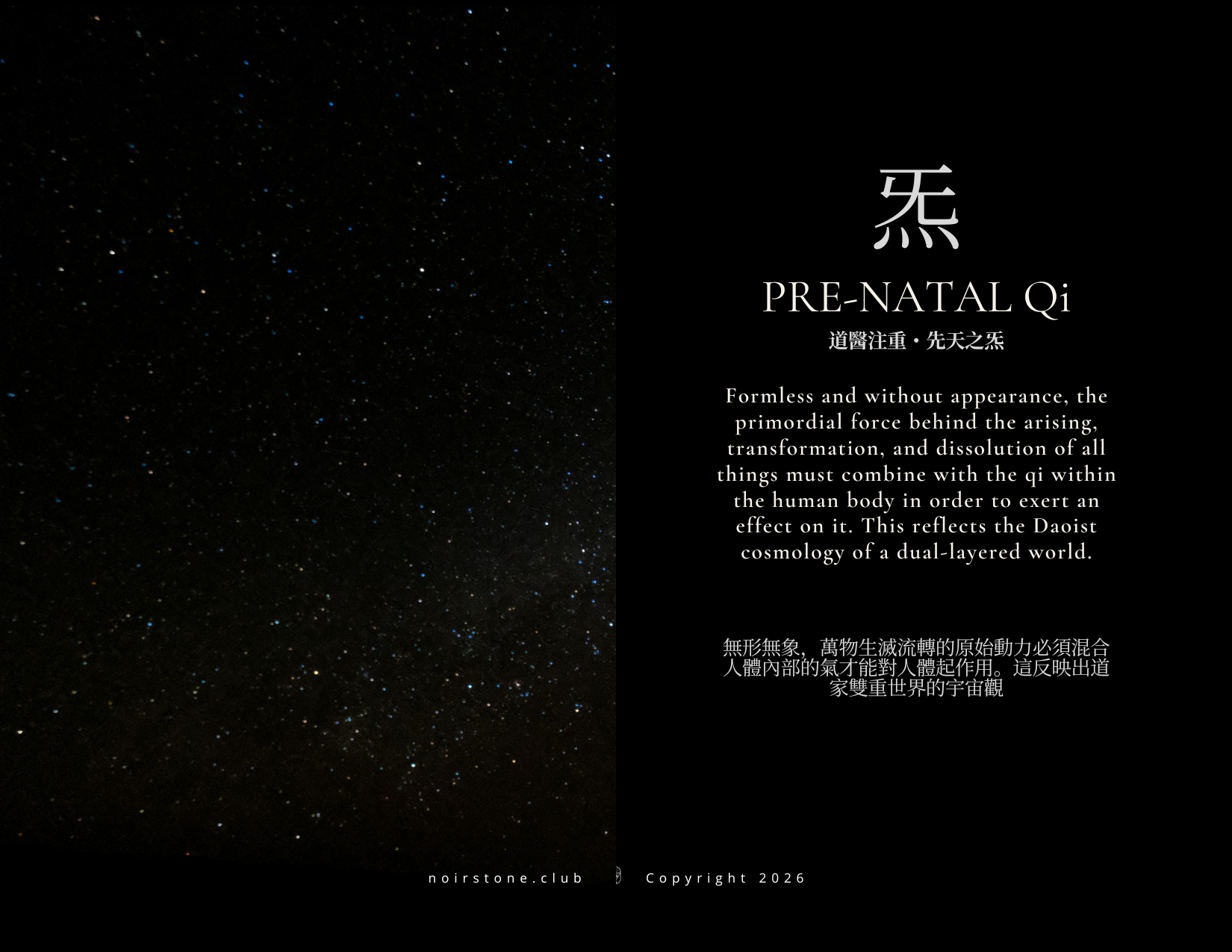
But Daoist traditions did not stop here. They spoke also of 炁 — a more primordial force. Not something that can be directly measured, but something inferred as the origin of movement itself.
然而,道家傳統並未止步於此。他們同時提及「炁」,一種更為原初的力量。它並非可以被直接測量之物,而是一種被推知為一切運動之源的存在。
Recent experimental work led by Lee Si-Chen (Taiwanese Physicist and former President of National Taiwan Univesity) and collaborators has attempted to explore this boundary. Through microfluidic experiments, his team reported phenomena in which biological interactions appeared to occur without direct molecular contact — suggesting the possibility of non-local signaling mechanisms.
近期由李嗣涔(台灣物理學家及前國立臺灣大學校長)及其合作團隊主導的實驗研究,嘗試探索這一界線。透過微流體實驗,其團隊報告了一些現象:生物之間的互動似乎能在沒有直接分子接觸的情況下發生——這暗示了非局域訊號傳遞機制的可能性。
In one such study, cellular responses were observed across physical barriers, leading researchers to propose the existence of what they termed “X-information” — a form of structured information capable of transmission beyond conventional biochemical pathways.
在其中一項研究中,研究人員觀察到細胞反應能跨越物理屏障發生,因而提出一種他們稱為「X資訊」的存在——這是一種具有結構性的訊息形式,能夠超越傳統生化路徑進行傳遞。
While still controversial and requiring further validation, such work echoes an older intuition:
That life may operate not only through matter,
but through patterns that organize matter.
儘管這些研究仍具爭議,且有待進一步驗證,但它們回響著一種更古老及老祖宗的直覺:
生命的運作或許不僅透過物質本身,也透過那些組織與形塑物質的模式傳遞。
Within this cosmological understanding, the human body was not seen as an isolated biological mechanism, but as an integrated infrastructure — a living network through which Qi, Blood, and fluids circulate in rhythmic patterns.
在這樣的宇宙觀之中,人體並不被視為一個孤立的生物機制,而是一個整合性的「內在結構」——一個由氣、血與津液所構成、並在其中循環流動的生命網絡。
These internal movements were understood to correspond with the cycles of nature: the rising and setting of the sun, the turning of the seasons, and the subtle shifts of environmental energy. One expression of this relationship is found in the concept of Zi Wu Liu Zhu (子午流注), which describes the cyclical flow of Qi through the meridian system across the twelve two-hour periods of the day. Each organ system is said to reach a peak phase of activity at a specific time, reflecting a continuous dialogue between the body’s internal rhythms and the larger temporal order of the natural world.
這些內在運行的節律,被理解為與自然界的循環相互對應:日升日落、四時更替,以及環境能量的細微轉變。其中一個具體體現,便是「子午流注」的概念,描述氣在經絡系統中隨著一日十二個時辰(每兩小時為一時辰)循環運行的規律。每一臟腑在特定時段達到其運作的高峰,呈現出人體內在節律與天地時間秩序之間持續不斷的對應關係。
In this view, health is not maintained through intervention alone, but through alignment with living, resting, and acting in accordance with these rhythms so that the body’s internal infrastructure remains coherent, responsive, and in quiet harmony with its environment.
在這樣的理解之中,健康並不僅僅依賴外在的介入,而更在於對齊——順應這些節律去生活、休息與行動,使人體的內在結構得以維持整體的協調、靈活,以及與環境之間的靜默和諧。
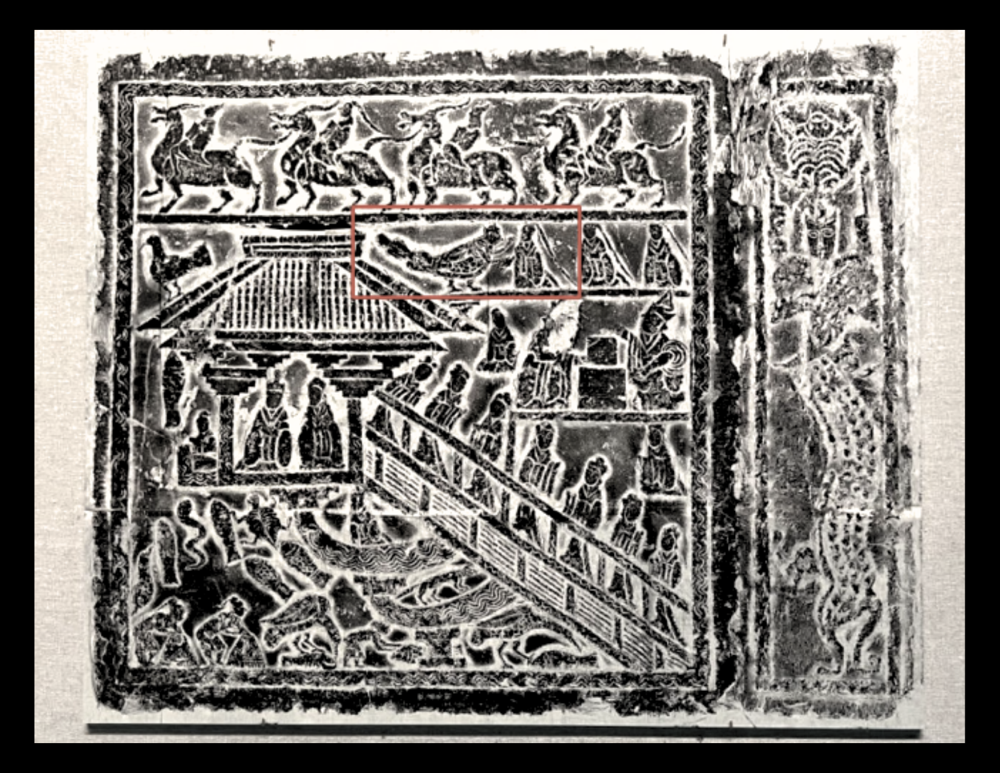
During the late Zhou and early imperial periods, Chinese philosophy began to profoundly shape medical thought. Concepts such as YinYang and the Five Phases (Wu Xing) offered frameworks to understand the patterns of nature and the body.⁹ ¹⁰
在周代晚期至早期皇朝帝國時期,中國哲學開始深刻地塑造醫學思想。陰陽與五行(Wu Xing)等概念提供了一種理解自然與人體運行規律的框架。⁹ ¹⁰
One legendary physician of this period was Bian Que, remembered for diagnosing illness through visual observation, listening, questioning, and pulse examination—the four diagnostic techniques that later became foundational to Chinese medicine.¹⁴
這一時期有一位傳奇醫者——扁鵲,他以透過望、聞、問、切來診斷疾病而聞名。這四種診斷方法後來成為中國醫學的重要基礎。¹⁴
These ideas crystallized in the foundational medical text, that was written by several authors over a long period of time, called the Huangdi Neijing.⁹ ¹⁰
這些思想最終凝聚於一部由多位作者在長時間內逐步撰寫與整理而成、具有奠基性的醫學典籍 ——《黃帝內經》。⁹ ¹⁰
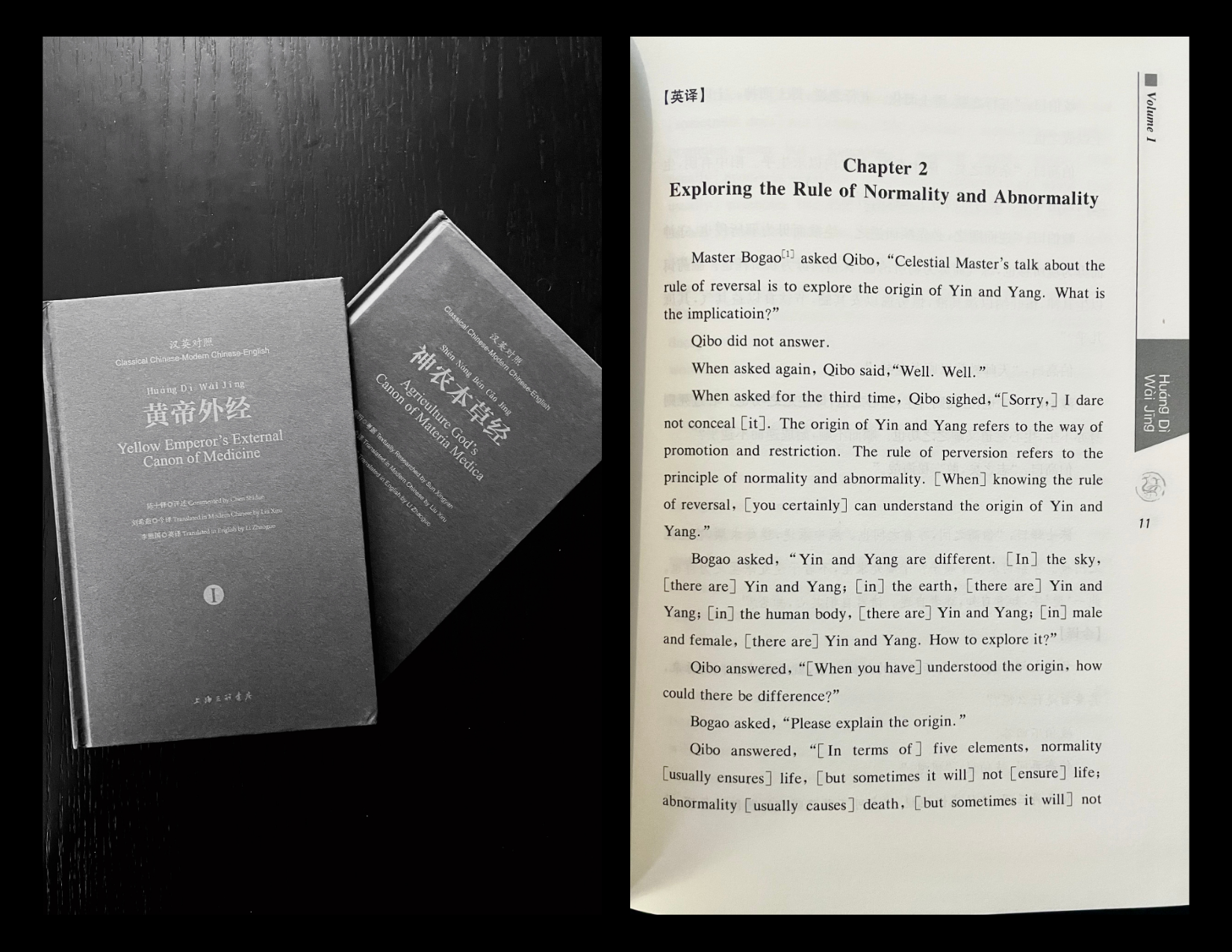
In this model, the human body mirrored the cosmos. Organs were understood not merely as anatomical structures but as functional networks connected by channels of energy. Health depended on maintaining the dynamic balance of Qi, Blood, and internal rhythms reflecting seasonal and environmental cycles.¹¹ ¹²
在這個模型之中,人體被視為宇宙的映照。臟腑不僅被理解為解剖結構,更被視為透過能量通道相互連結的功能系統。健康取決於氣、血與體內節律的動態平衡,而這些節律亦反映著季節與環境的循環變化。¹¹ ¹²
In 1973 and 1974, excavation of the Mawangdui tombs revealed medical writing dating back to 168 BC. One text called the Fifty-two Prescriptions (wu shi er bing fang), detailed 52 ailments and 52 prescriptions, and was the earliest written reference of Chinese pharmacology. Nevertheless, Huangdi Neijing still remains as one of the most respected texts in not just Chinese Medicine but also cosmology and metaphysics.
1973年與1974年,考古學家在馬王堆墓葬的發掘中發現了可追溯至公元前168年的醫學文獻。其中一部名為《五十二病方》的文獻,記載了52種疾病及其對應的52種處方,被視為目前已知最早的中國藥物學書面記錄之一。然而,《黃帝內經》至今仍被視為最受尊崇的經典之一,不僅在中國醫學領域,在宇宙論與形而上學思想中亦具有深遠影響。
The body was therefore not seen as separate from nature, but as its microcosm and part of macrocosm.
因此,人體並不被視為與自然(如天地)分離的存在,而被理解為宇宙的縮影(小宇宙),同時也是宏大宇宙整體的一部分。
By the Han dynasty, Chinese medicine had begun to develop more systematic clinical methods. Physicians formalized diagnostic frameworks and emphasized careful observation of symptoms and bodily patterns.¹³ ¹⁴
到了漢代,中國醫學開始發展出更為系統化的臨床方法。醫者逐漸建立起較為明確的診斷框架,並著重對症狀與身體整體表現的細緻觀察。¹³ ¹⁴
Another towering figure was Zhang Zhongjing, often called the “Sage of Medicine.” His influential text, Shang Han Lun, organized disease patterns and herbal prescriptions based on clinical observation of epidemic illnesses.¹³ ¹⁵
另一位極具影響力的人物是張仲景,常被尊稱為「醫聖」。他的重要著作《傷寒論》根據對流行病的臨床觀察,系統整理了疾病的辨證模式以及相應的草藥方劑。¹³ ¹⁵
Many formulas from this classical work remain in clinical use today.¹⁶
此經典著作中的許多方劑,至今仍然在臨床醫療中被廣泛應用。¹⁶
During the Tang dynasty, Chinese medicine began to develop formal institutional structures. The imperial government established the Imperial Medical Academy in 624 CE to train physicians serving the court and elite society.¹⁷ ¹⁸
在唐代,中國醫學開始發展出較為正式的制度化結構。公元624年,朝廷設立太醫署(Imperial Medical Academy),以培訓服務於宮廷與上層社會的醫者。¹⁷ ¹⁸
Another milestone came in 659 CE with the publication of the Newly Revised Materia Medica, considered the first official state pharmacopoeia in world history.¹⁸ ¹⁹
另一項重要里程碑出現在公元659年,《新修本草》(Newly Revised Materia Medica)的出版。此書被視為世界歷史上第一部由國家官方編纂的藥典。¹⁸ ¹⁹
Among the most influential physicians of this period was Sun Simiao, whose writings combined extensive herbal knowledge with a strong emphasis on medical ethics and compassion in clinical practice.²⁰ ²¹
在這一時期最具影響力的醫者之一是孫思邈(Sun Simiao)。他的著作不僅彙集了廣博的草藥知識,同時也特別強調醫德與臨床實踐中的仁心與慈悲。²⁰ ²¹
By the medieval period, Chinese medicine had diversified into multiple theoretical schools. Physicians debated the causes of disease and proposed different therapeutic strategies.²²
到了中世紀時期,中國醫學已逐漸分化出多種理論學派。醫者之間對疾病的成因展開辯論,並提出不同的治療策略。²²
Four influential masters came to represent distinct approaches:
四位極具影響力的醫學大師分別代表了不同的學術取向:
Rather than replacing one another, these theories coexisted. Chinese medicine evolved through what historians describe as patterned knowledge—multiple frameworks operating simultaneously and offering different insights into illness.²⁷
這些理論並非彼此取代,而是同時並存。中國醫學的發展,正如歷史學者所描述,是一種「模式化知識」演進,以多種理論框架同時運作,並從不同角度提供對疾病的理解。²⁷
Frequent epidemics during the late imperial period challenged earlier disease models. Physicians observed that some febrile illnesses did not fit the framework of cold-damage disorders described in earlier texts.
在朝代晚期,頻繁出現的疫病對早期既有的疾病理論提出了挑戰。醫者逐漸觀察到,一些發熱性疾病並不符合早期典籍中所描述的「傷寒」病理框架。
This led to the development of Warm Disease (wenbing) theory.²⁸
因此,溫病學說逐漸發展並形成。²⁸
A major figure in this movement was Ye Tianshi, who refined diagnostic stages describing how heat-based pathogens progressed through the body.²⁹ ³⁰
在這一學術發展中,葉天士是一位重要人物。他進一步細化了診斷階段,用以描述熱性病邪在人體內傳變與發展的過程。²⁹ ³⁰
Around the same period, Wu Youxing proposed that epidemics spread through specific environmental influences he called pestilent qi, an idea that in some ways foreshadowed later microbial theories of disease.²⁸ ³¹
在大約同一時期,吳又可提出疫病是透過一種特定的環境致病因素傳播,他將其稱為「戾氣」。這一觀點在某種程度上預示了後來微生物致病理論的出現。²⁸ ³¹
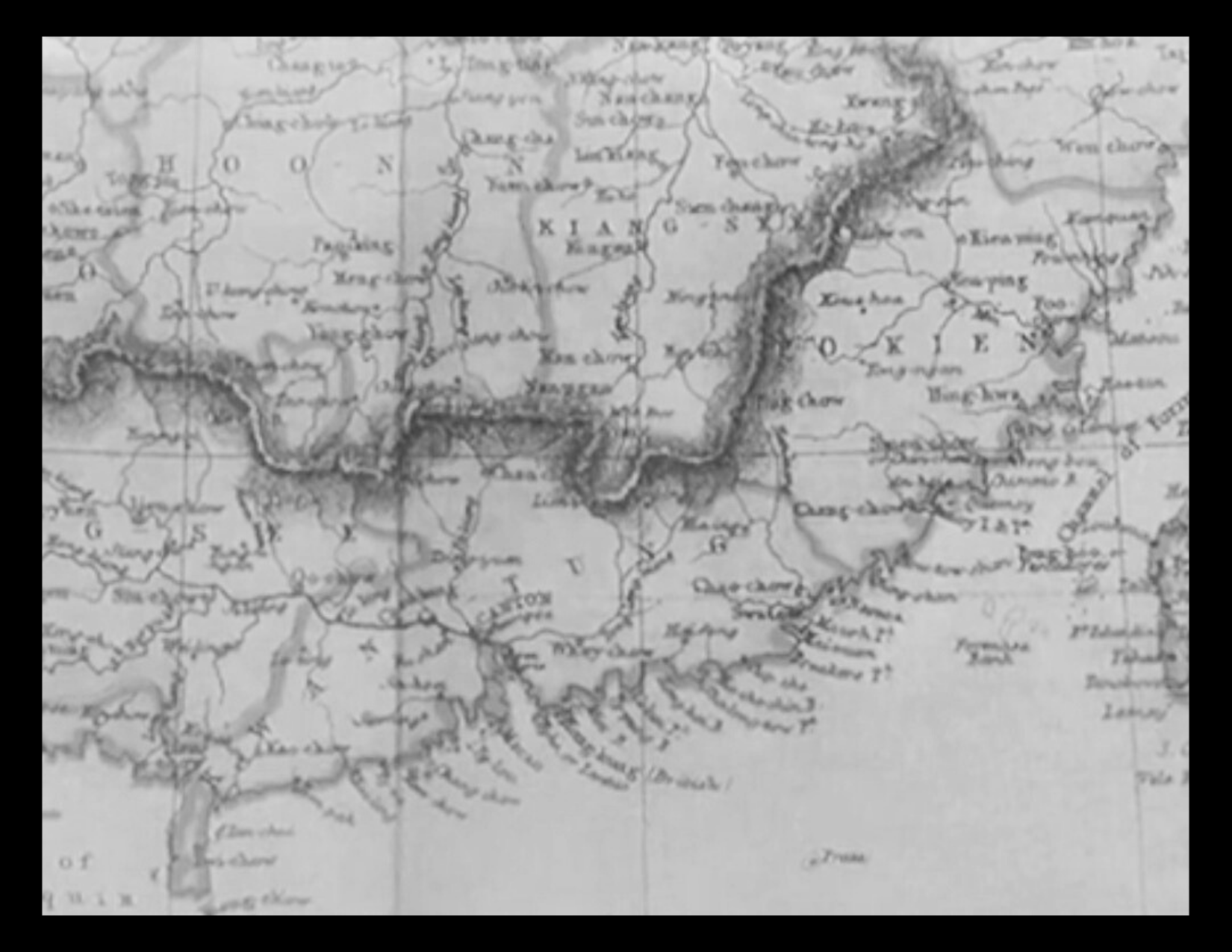
As Chinese medicine continued to evolve, regional traditions developed distinctive identities shaped by geography, climate, and local herbs.³²
隨著中國醫學持續演變,各地逐漸發展出具有地方特色的醫學傳統,其形成深受地理環境、氣候條件以及當地草藥資源所影響。³²
For example, one of the most influential regional traditions developed in Lingnan, the southern cultural region encompassing Guangdong and Hong Kong. The humid subtropical climate of Lingnan was associated with internal conditions described in Chinese medicine as heat (熱) and dampness (濕). Physicians therefore developed therapies emphasizing herbs that cool the body and dispel dampness.³² ³³
例如,其中一個重要的地域醫學傳統形成於嶺南地區——即涵蓋廣東與香港這些中國南方區域。嶺南屬於潮濕的亞熱帶氣候,在中醫理論中常被認為容易引發人體內的「熱」與「濕」等狀態。因此,當地醫者逐漸發展出以清熱與祛濕為重點的治療方法,並廣泛運用具有相關功效的草藥。³² ³³
Traveling healers known as “Bell Doctors” also spread accessible remedies using local medicinal plants.³⁴
被稱為「鈴醫」的遊走醫者,亦透過使用當地可取得的藥用植物,將簡便而實用的療方帶到民間各地。³⁴
This regional adaptation laid the foundation for two distinctive cultural practices that would become central to health culture in Hong Kong: herbal tea (涼茶) and temple medicine through Herbal Divination.
這種地域性的醫學適應,為兩種後來在香港健康文化中奠定極具代表性的基礎:涼茶,以及透過「求藥籤」形式進行的廟宇醫療。
The arrival of Western biomedicine during the nineteenth century dramatically altered the medical landscape. Some reformers influenced by Western science dismissed traditional medicine as unscientific.³⁵ ³⁶
西方生物醫學在十九世紀傳入,深刻改變了當時的醫療格局。一些受到西方科學思想影響的改革派人士,開始將傳統醫學視為缺乏科學基礎而加以否定。³⁵ ³⁶
In 1929, the Nationalist government even proposed abolishing Chinese medicine entirely. The proposal sparked widespread protests among practitioners and led to the formation of national medical associations defending the tradition.³⁶ ³⁷
1929年,國民政府甚至曾提出全面廢止中醫的提案。此舉引發醫界人士的廣泛抗議,並促成多個全國性醫學團體的成立,以維護與捍衛這一傳統醫學體系。³⁶ ³⁷
Chinese medicine survived not only because of popular support but also because of its adaptability across different social contexts.
中國醫學之所以能夠延續至今,不僅因為民間社會的支持,也因為它在不同社會環境中展現出高度的適應能力。
18th–19th century onward
十八至十九世紀以後

Meanwhile, in the early colonial times when the medical system didn’t fully support many Chinese communities in Hong Kong, temples historically served as important centers for healing, justice, and social support.
同時,在殖民時期初期,當香港的醫療制度尚未能充分支援許多華人社群之際,廟宇在歷史上一直扮演著療癒、調解公義與社會支援的重要中心角色。
One distinctive practice that emerged was herbal divination, a form of ritual consultation in which visitors sought medical guidance through divination.
在這樣的背景下,逐漸形成了一種獨特的實踐——求藥籤。這是一種透過占卜進行的儀式性諮詢,人們藉此尋求與健康相關的指引。
At temples such as Wong Tai Sin Temple in Hong Kong, visitors traditionally perform a ritual:
在如黃大仙祠等廟宇中,參拜者通常會進行以下傳統儀式:
Temple attendants or herbalists interpret the message and may recommend specific herbal formulas. Nearby herbal shops often prepare the medicine described in the oracle. Historically, temples also distributed free herbal remedies during epidemics, functioning as charitable healthcare institutions for local communities.⁴² ⁴³ This system reflects the earlier cosmological understanding of medicine: illness is not only physical but connected to spiritual, environmental, and moral harmony.
廟宇的工作人員或草藥師會解讀籤文內容,並可能建議相應的草藥方劑。附近的藥材店則常會按照籤文所述配製相關藥材。在歷史上,廟宇在疫病流行期間亦會派發免費的草藥療方,成為地方社群的重要慈善醫療機構。⁴² ⁴³ 這一體系反映了早期以宇宙觀為基礎的醫學理解:疾病不僅是身體層面的問題,同時也與靈性、環境以及道德秩序的和諧密切相關。
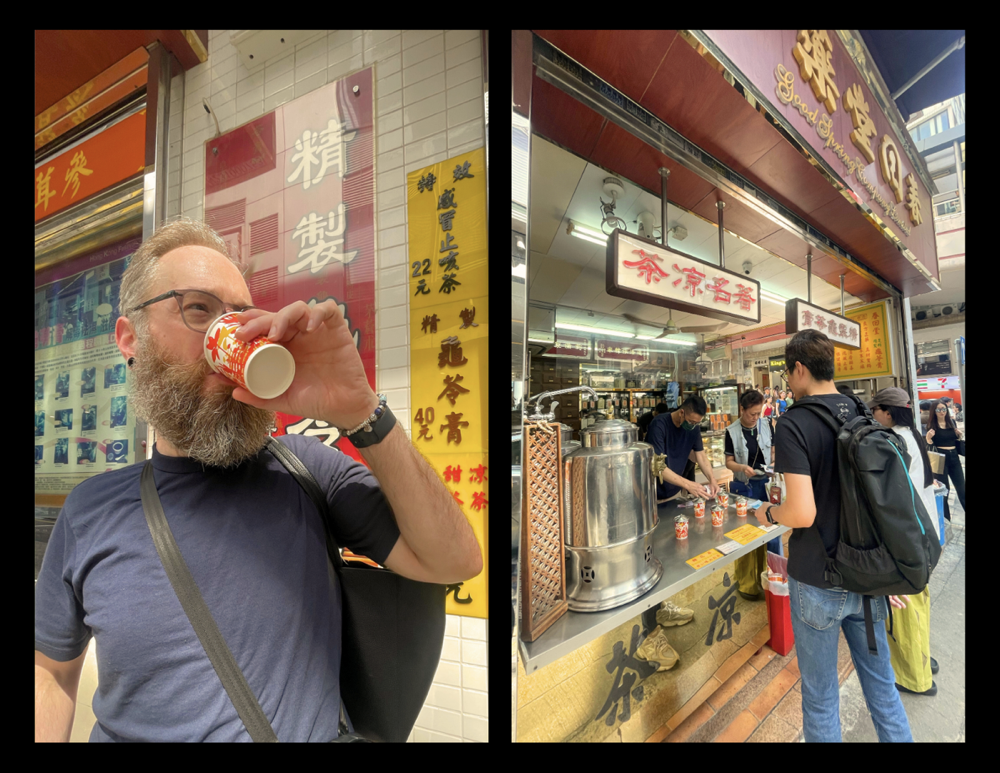
To understand the emergence of herbal tea culture, we must first understand Lingnan (嶺南). The term Lingnan literally means “south of the mountain ranges.” Ling (嶺) refers to the mountain ridges, while Nan (南) means south. Historically, the term describes the regions located south of the Nanling mountain range, encompassing present-day Guangdong, Guangxi, and Hainan, as well as Hong Kong and Macau.
要理解涼茶文化的出現,首先必須了解「嶺南」。「嶺南」一詞字面意思為「山嶺以南」。「嶺」指山嶺,「南」即南方。歷史上,「嶺南」用來指稱南嶺山脈以南的地區,包括今天的廣東、廣西、海南,以及香港與澳門。
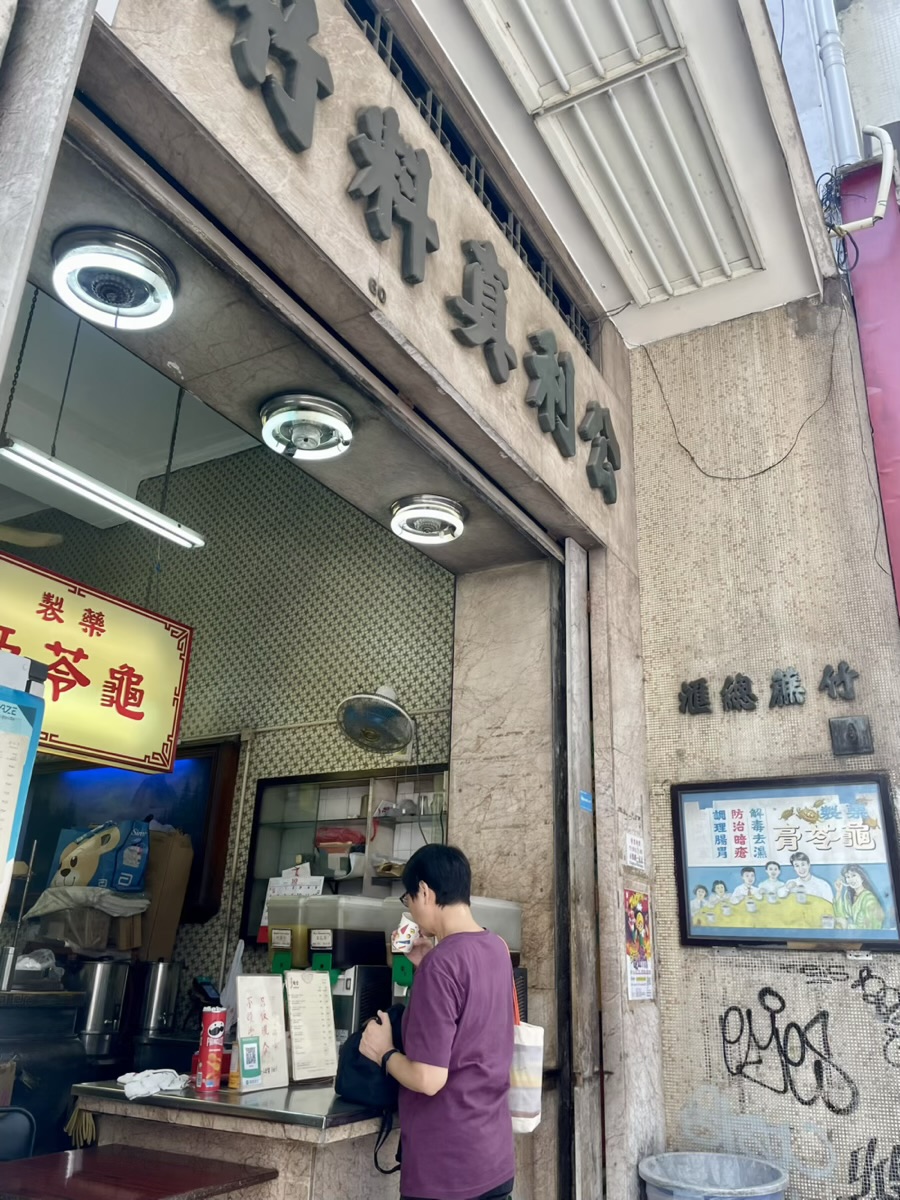
Lingnan’s subtropical climate : hot, humid, and prone to seasonal epidemics which shaped the region’s medical culture. Within this environment, herbalists and local healers developed a practical form of everyday preventive medicine: herbal tea, known in Cantonese as Leung Cha (涼茶).
嶺南屬於亞熱帶氣候,炎熱潮濕,並容易出現季節性疫病,這些環境因素深刻塑造了當地的醫療文化。在這樣的環境中,草藥師與民間療癒者逐漸發展出一種實用的日常預防醫學形式——涼茶,在粵語中稱為 Leung Cha(涼茶)。
Unlike individualized prescriptions prepared by physicians, herbal teas were brewed in large batches and consumed as medicinal beverages. Their purpose was to maintain balance in the body and counteract the environmental conditions of the region. These formulations were traditionally used to:
與醫者為個別患者開出的處方不同,涼茶通常以大鍋煎煮,作為具有藥用功效的飲品飲用。其目的在於維持人體的平衡,並對應當地的環境氣候條件。這些配方傳統上用於:
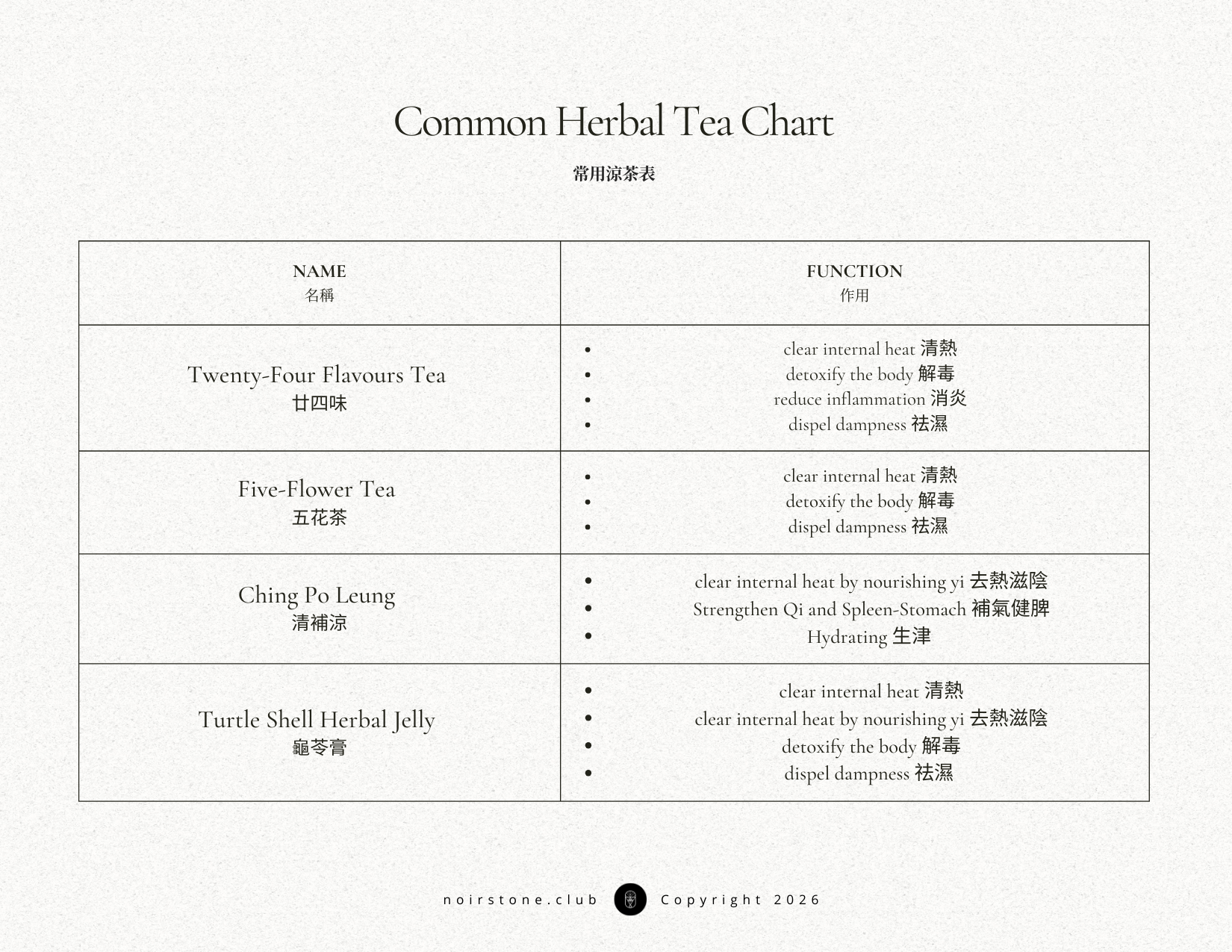
By the nineteenth century, specialized herbal tea shops began appearing throughout southern Chinese cities, offering freshly prepared herbal drinks tailored to common seasonal ailments. In Hong Kong, these establishments became particularly widespread during the late nineteenth and early twentieth centuries as the city grew into a major trading port.³²
到了十九世紀,專門售賣涼茶的店鋪開始在中國南方各城市出現,提供新鮮煎製的草藥飲品,以應對常見的季節性不適。在香港,隨著城市在十九世紀末至二十世紀初逐漸發展成為重要的貿易港口,這類店鋪變得尤為普遍。³²
Because herbal tea was affordable, accessible, and rooted in local knowledge, it functioned as a form of community-based preventive healthcare, especially for laborers and working-class populations who had limited access to formal medical treatment.
由於涼茶價格相對低廉、容易購取,並植根於當地知識,它在難以接觸正式醫療資源的勞工與基層群體之中,逐漸成為一種社群型的預防保健方式。
Over time, herbal tea culture evolved beyond simple remedies. It became a distinct element of Lingnan cultural life, reflecting the broader philosophy of Chinese medicine: that health arises from living in harmony with climate, environment, and the rhythms of nature.
隨著時間推移,涼茶文化逐漸超越單純的民間療方,成為嶺南生活文化中獨具特色的一部分。它亦體現了中國醫學更宏觀的哲學觀:健康源於人與氣候、環境以及自然節律之間的和諧共處。
After the wars and founding of the People’s Republic of China, the government sought to preserve traditional practices while integrating them into modern healthcare. The term Traditional Chinese Medicine (TCM) gained international usage during this period as Chinese medical knowledge was standardized into a national institutional framework.¹ ³⁸ Medical education was reorganized through national textbooks, unified diagnostic systems, and newly established medical colleges.¹ ³⁹ The system known internationally as TCM is therefore a modern institutional synthesis of much older medical traditions.¹ ⁴⁰
在戰後以及中華人民共和國成立之後,政府開始嘗試在保存傳統醫療的同時,將其整合進現代醫療體系之中。「Traditional Chinese Medicine(TCM)」這個名稱,正是在此時期逐漸於國際上普及。當時,中國醫學知識被整理與標準化,並整合進一個全國性的制度化醫療體系之中。¹ ³⁸ 醫學教育亦隨之重新整合,包括編寫全國統一教材、建立標準化的診斷體系,以及設立新的中醫學院。¹ ³⁹ 因此,今日在國際上被稱為「TCM」的體系,實際上是對更為古老醫學傳統的一種現代制度化綜合與整合。¹ ⁴⁰
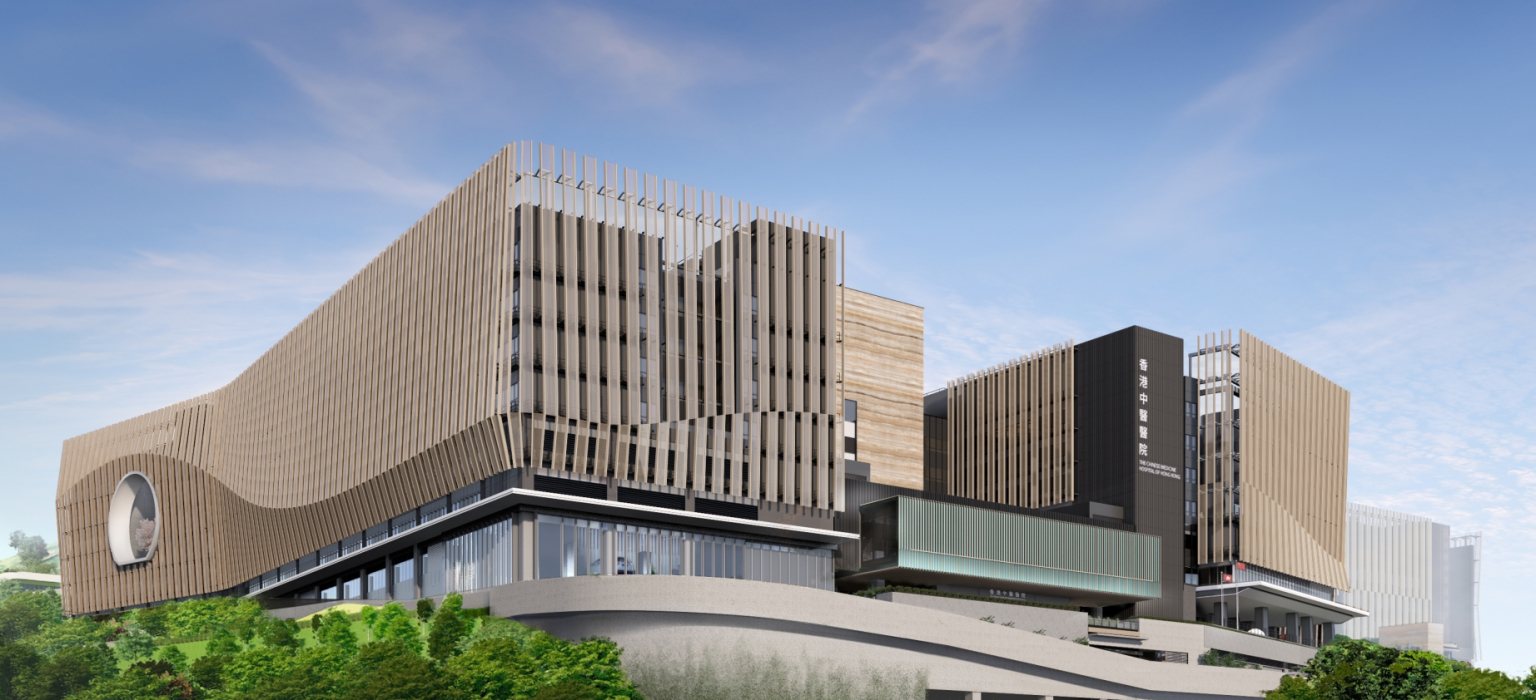
Today, Chinese medicine exists in several parallel forms:
今天,中醫學以多種並行的形式存在:
While modern institutions have standardized training and regulation, lineage traditions continue to preserve specialized formulas, diagnostic approaches, and clinical experiences accumulated across generations.
儘管現代制度已建立標準化的培訓與監管機制,傳承體系仍持續保存著跨越世代累積的專門方劑、診斷方法與臨床經驗。
For example, the National Medical Master Li Jiren inherited a medical lineage through his wife’s family, continuing a tradition in which certain formulas and therapeutic knowledge are transmitted only within family lines. Such cases reflect the enduring role of personal lineage and experiential knowledge within Chinese medicine.
例如,首席國醫李濟仁(Li Jiren)便是透過妻子的家族繼承醫學傳承,延續了一種只在家族之間傳授方劑與治療知識的傳統。這類案例反映了個人傳承與實踐經驗在中醫學中長久而重要的地位。
Among Chinese cities, Hong Kong remains one of the places where these different layers coexist most visibly. This situation emerged largely through historical circumstances. During the wars and societal upheavals of the twentieth century, many renowned physicians, herbalists, and educators left mainland China and settled in Hong Kong. Some later continued their journeys to Taiwan, Macau, or Southeast Asia, but Hong Kong became an early refuge and meeting ground for practitioners from northern, eastern, western, southern, and central regions of China.
在眾多華人城市之中,香港仍是最能清楚看見這些不同層次共存的地方之一。這種情況在很大程度上源於歷史背景。二十世紀戰亂與社會動盪期間,許多著名醫者、藥師與教育者離開中國內地並遷居香港。有些人之後再前往台灣、澳門或東南亞,但香港早期便成為來自中國北方、東部、西部, 南部與中部各地醫者的避居地與交流匯聚之所。
These practitioners brought with them diverse regional traditions of Chinese medicine. Over time, their knowledge interacted with the local climate, economy, and living conditions of the Lingnan region, gradually shaping practices adapted specifically to Hong Kong’s environment.
這些醫者將各自不同的地域醫學傳統帶到香港。隨著時間推移,他們的知識與嶺南地區的氣候、經濟環境與生活條件互相交融,逐漸形成更適應香港環境的醫療實踐方式。
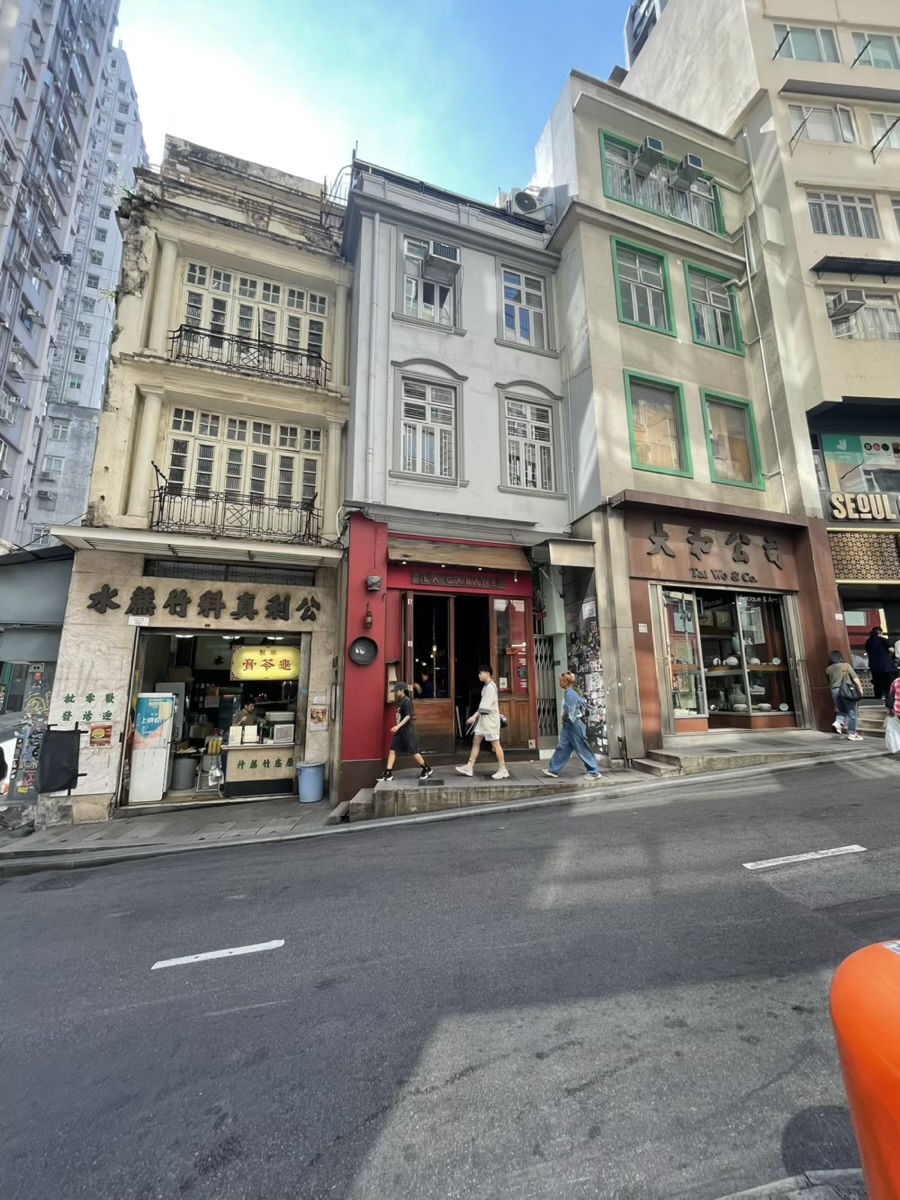
One well-known example is 龜苓膏 (turtle shell herbal jelly). Historical accounts describe how the original formula was introduced by an imperial physician (太醫). After arriving in Hong Kong and witnessing local epidemics and climatic conditions, the practitioner adjusted the formulation to better suit the region’s humid environment and the constitution of local residents. The refined formula became widely known as turtle shell jelly, and the preparation has continued to be transmitted within the family for several generations, serving communities for decades.
其中一個廣為人知的例子是龜苓膏。歷史記載指出,這一配方最初由一位太醫引入。當該醫者來到香港並觀察到當地的疫病與氣候條件後,對配方作出調整,使其更適合嶺南潮濕的環境以及本地居民的體質。經過改良後的配方逐漸以龜苓膏聞名,並在家族之中代代相傳,數十年來持續服務社區。
Beyond individual formulas, Hong Kong continues to preserve a rich ecosystem of traditional practices. Cantonese herbal traditions, temple-based healing practices, herbal tea culture, and modern medical education coexist within the city’s healthcare landscape.³² ³³ ⁴² ⁴³ In this sense, Hong Kong offers a rare window into the evolving life of Chinese medicine—where classical cosmology, regional knowledge, lineage transmission, and contemporary regulation continue to interact within a single living culture.
除了個別方劑之外,香港亦保存著一個豐富的傳統醫療生態。粵式草藥傳統、廟宇療癒、涼茶文化,以及現代醫學教育,在這座城市的醫療環境中並存發展。³² ³³ ⁴² ⁴³ 從這個角度而言,香港提供了一個難得的窗口,讓人得以觀察中醫學持續演變的生命力 —— 在同一個活生生的文化之中,古典宇宙觀、地域知識、傳承體系與當代制度規範仍然彼此交織與互動。
Today, Hong Kong’s herbal tea culture is recognized as national-level Intangible Cultural Heritage. It is categorized under “Knowledge and Practices Concerning Nature and the Universe.” This designation reflects a worldview in which human health is inseparable from the environment. Seasonal climate, regional plants, and bodily balance are understood as part of a single ecological system.⁴⁴ In this perspective, healing is not the domination of nature but a process of working with what nature provides and changes.
今天,香港的涼茶文化已被列為國家級非物質文化遺產。它被歸類於「有關自然界與宇宙的知識和實踐」的範疇。這一認定反映出一種世界觀:人類健康與自然環境密不可分。季節氣候、地域植物以及人體平衡,被理解為同一生態系統中的相互關聯部分。⁴⁴ 在這種視角之中,療癒並非對自然的控制,而是一個順應自然所賦予與其變化的過程。
Seen through this historical lens, Chinese medicine was never a single unified system. Across centuries, physicians debated theory, regional traditions adapted to local climates, minerals, plants, and other living beings, and communities developed their own ways of caring for health. Scholarly texts, clinical lineages, temple practices, and everyday remedies all formed part of the same living landscape.
從這樣的歷史視角來看,中醫學從來都不是一個單一而統一的體系。數百年間,醫者之間不斷辯論理論,各地醫學傳統依據當地氣候與植物、礦石、其他生物資源作出調整,而社群也發展出屬於自身的健康照護方式。學術典籍、臨床傳承、廟宇實踐,以及日常療方,都共同構成了同一片活生生的醫學景觀。
What the modern world now calls Traditional Chinese Medicine (TCM) represents only one chapter within this much longer continuum. In the twentieth century, the term provided a framework through which ancient knowledge could be organized and taught within modern institutions. Yet beneath that structure lies a far older heritage, one shaped not only by physicians, scholars, and metaphysicists, but also by farmers observing seasonal change, herbalists learning directly from the land, and communities responding to the rhythms of their environment.
現代世界所稱的「Traditional Chinese Medicine(TCM)」其實只是這條漫長歷史長河中的其中一個篇章。在二十世紀,這個名稱為古老知識提供了一個框架,使其能在現代制度與教育機構中被整理與傳授。然而,在這個框架之下,蘊藏著更為悠久的傳承 —— 它不僅由醫者、學者與形而上學思想家所塑造,也來自農人對四時變化的觀察、草藥師從土地直接學習的經驗,以及社群對環境節律的回應。
From the cosmological insights preserved in Huangdi Neijing to regional practices such as herbal tea traditions in the Lingnan region and temple healing customs still visible in Hong Kong, Chinese medicine has always evolved through relationship — with climate, landscape, and the lived experiences of each generation.
從《黃帝內經》中保存的宇宙觀洞見,到嶺南地區的涼茶傳統,以及今日仍可在香港看見的廟宇療癒習俗,中醫學始終在各種關係之中演化與發展 —— 與氣候、地景,以及每一代人真實生活經驗之間的互動。
Within this worldview, the body is never isolated. It exists as part of a wider field of connection: between human beings and the seasons, between nourishment and vitality, between the visible and the unseen forces that shape life. Illness therefore becomes not simply a problem to eliminate, but a signal pointing toward imbalance within these relationships.
在這種世界觀中,人體從來不是孤立存在的。它存在於一個更廣闊的關係場域之中:在人與四時之間,在滋養與生命力之間,在可見與不可見、共同塑造生命的力量之間。因此,疾病不僅僅是需要被消除的問題,更是一種指向關係失衡的訊號。
Healing, in this tradition, is not merely an act of correction. It is a process of realignment. Chinese medicine is less a fixed doctrine than a living constellation of knowledge — continually interpreted, refined, and adapted as the world changes. Its roots lie in attentive observation of nature and in the quiet recognition that human life unfolds within the same patterns that guide the seasons.
在這一傳統之中,療癒並不只是單純的矯正。它是一個重新令整體對齊與調和的過程。中醫學與其說是一套固定不變的教條,不如說是一個持續流動的知識星群。它隨著世界變化而不斷被重新理解、修訂與調整。它的根源在於對自然細緻而持續的觀察,以及對一個簡單卻深刻事實的認知:人類生命的展開,與四時運行遵循著同樣的節律。
For those who study or practice this medicine today, whether in China or elsewhere—this long history offers a gentle reminder of humility. Chinese medicine carries layers of philosophy, ecology, history, language, and lived culture accumulated over thousands of years. Even decades of study can only reveal a portion of this vast landscape. It is therefore less a system to be mastered than a path of continuous learning. Much like looking up at the night sky: we see the stars that are visible, yet countless others remain beyond the reach of our eyes.
對於今日無論在中國或世界其他地方研究或實踐這門醫學的人而言,這段漫長歷史都帶來一種溫和而深刻的提醒:保持謙遜。中醫學承載著數千年累積的哲學、生態觀、歷史、語言與生活文化層次。即使數十年的學習,也只能窺見這片廣闊景觀的一部分。因此,它與其說是一套可以被完全掌握的系統,不如說是一條持續學習的道路。就如同仰望夜空:我們看見的是那些可見的星辰,但仍有無數星光存在於視線之外。
In the classical tradition, the study of medicine was never separated from the cultivation of character. To practice medicine was first to learn how to be a person: to cultivate virtue, to observe carefully, to listen deeply, and to approach life with humility and compassion for the intricate relationships that sustain it.
在經典或傳統中,醫學的學習從未與人格修養分離。行醫首先意味著學習如何為人:培養德行,細心觀察,深度傾聽,並以謙遜與仁心對待維繫生命的種種微妙關係。
At its root, this medicine does not begin with technique or authority, but with attentiveness to nature itself. The physician learns from the rhythms of the seasons, the movement of wind and water, the quiet intelligence of plants, and the subtle responses of the human body. In this sense, nature remains the first teacher.
在最根本的層面上,這門醫學並非始於技術或權威,而是始於對自然的體察。醫者從四時運行中學習,從風與水的變化中領悟,從草木的生命力以及人體細微的反應之中觀察規律。從這個意義上說,自然始終是最初的老師。
And so the story of this medicine does not belong only to the past, nor to a single teacher, lineage, or practitioner. It continues wherever people pause long enough to listen—to the body, to the environment, and to the accumulated wisdom carried quietly through generations. In returning to these principles, medicine becomes not merely a system of knowledge, but a path of lifelong learning and humility.
因此,這門醫學的故事並不只屬於過去,也不只屬於某一位老師、某一條傳承或某一位醫者。只要有人願意停下腳步,傾聽身體的節律、環境的變化,以及世代相傳的細微智慧,它便會在新的地方繼續延續。當人們重新回到這些原則時,醫學也不再只是知識體系,而成為一條需要終身學習與保持謙遜的道路。
Finally, I would also like to take this opportunity to share two physicians I had the fortune to encounter—individuals who profoundly shaped the way I study Chinese medicine and understand the nature of life. Without them, I doubt this article could have been written.
最後,我也想藉此機會分享兩位與我結緣、並深深影響我學習中醫與理解生命之道的醫者。若沒有他們,我想我也難以寫下這篇文章。
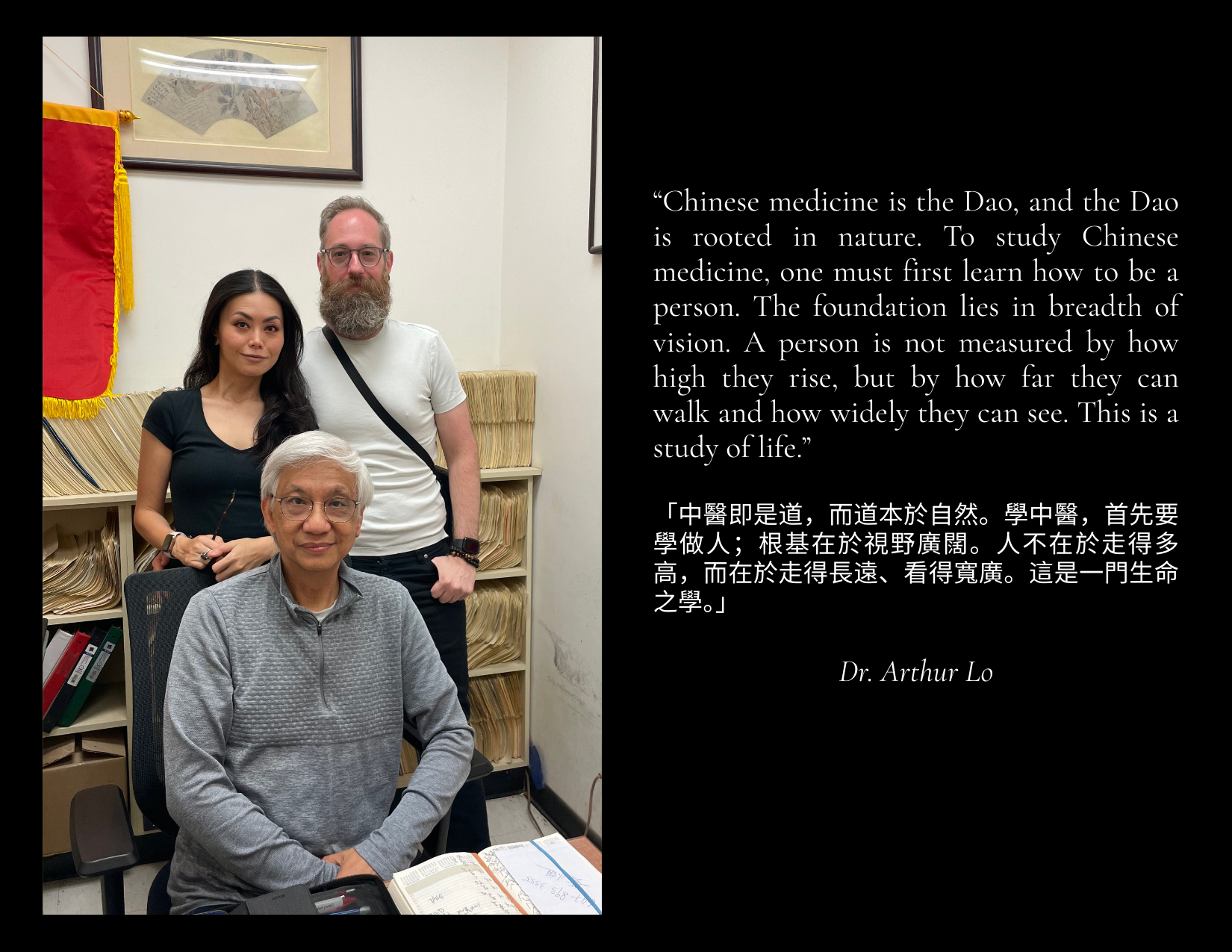
Dr. Arthur Lo, originally from Hong Kong and now based in Toronto, is deeply learned not only in Chinese medicine but also in the study of life through the lenses of astronomy and geography. He is known for patiently speaking with his patients. I have never quite dared to call him my teacher, as I was never formally his student; yet it was his encouragement that gently nudged me to step out of the small circle where I had long kept myself. He often reminds younger generations: “Chinese medicine is the Dao, and the Dao is rooted in nature. To study Chinese medicine, one must first learn how to be a person. The foundation lies in breadth of vision. A person is not measured by how high they rise, but by how far they can walk and how widely they can see. This is a study of life.” He often describes himself simply as a candle—quietly lighting a few candles nearby, who will then pass the flame onward.
來自香港、現居多倫多的勞惠光博士,不僅精研中醫學,亦通曉融合天文與地理觀的生命之學。他總是耐心與病人傾談。(我一直不敢稱他為我的老師,因為自己未必是位稱職的學生)然而,正是他的鼓勵讓我踏出一直把自己收藏起來的那個保護罩。他常提醒後輩:「中醫即是道,而道本於自然。學中醫,首先要學做人;根基在於視野廣闊。人不在於走得多高,而在於走得長遠、看得寬廣。這是一門生命之學。」他也常說,自己不過是一支蠟燭,靜靜點燃身邊的幾支蠟燭,再由他們把光傳下去。
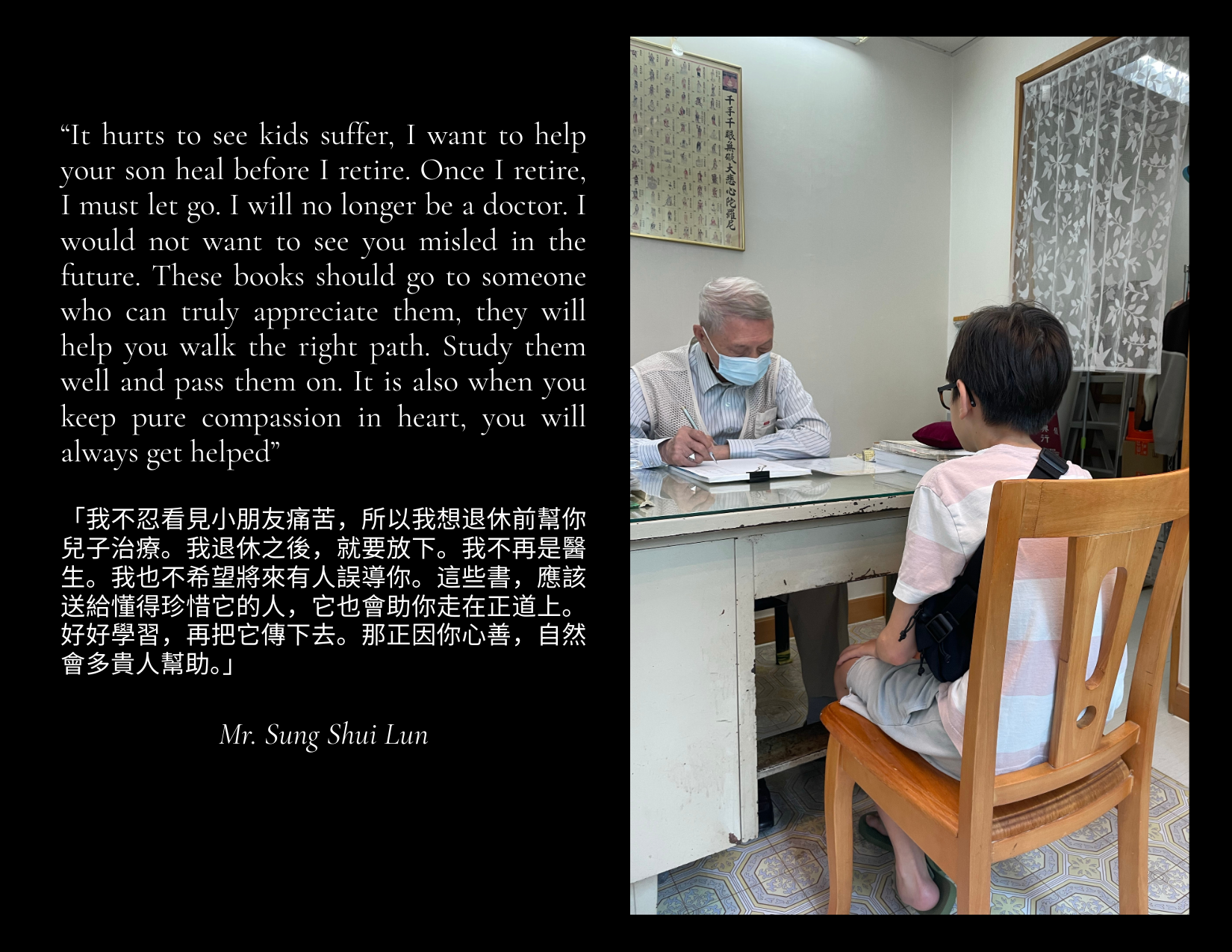
The other Chinese medicine physician, Mr. Sung, entered our lives after we returned to Hong Kong, when we sought help for my son during an illness. At the time, he was already in his eighties and in the final month before retirement. During that last chapter of his medical career, he chose not to charge consultation fees while treating my son. On his final day of seeing patients, he also gave away all the medical books kept in his clinic to those who came to see him. When he sensed my sincere— though still very modest — interest in studying Chinese medicine and herbal knowledge, he called me a few days later and asked me to come back to the clinic to collect some books. When I arrived, I realized he had returned home earlier to select several volumes from his own private collection. These books are treasures I will cherish for a lifetime, but even more valuable were the words he shared with me: “It hurts to see kids suffer, I want to help your son heal before I retire.Once I retire, I must let go. I will no longer be a doctor. I would not want to see you misled in the future. These books should go to someone who can truly appreciate them, they will help you walk the right path. Study them well and pass them on. It is also when you keep pure compassion in heart, you will always get helped”
另一位宋瑞麟中醫師,則是在我們回港後、因兒子病發求醫而結緣。那時正值他八十餘歲、退休前的最後一個月。在那段行醫生涯的最後時光裡,他決定不收診金,為我兒子診治。到了最後一天看診,他更把自己診所內的醫書悉數送給病人。當他得知、也看見我對中醫學與中藥學的學習之心(雖然個人知識仍十分淺薄),幾天後,他特地打電話給我,叫我回診所領書。當我到達時,才發現他在幾天前已回到家中,從自己的私人藏書裡挑出幾本書帶來。這些書當然是我會珍惜一生的書籍,但更珍貴的,是他當時說的一句話:「我不忍看見小朋友痛苦,所以我想退休前幫你兒子治療。我退休之後,就要放下。我不再是醫生。我也不希望將來有人誤導你。這些書,應該送給懂得珍惜它的人,它也會助你走在正道上。好好學習,再把它傳下去。那正因你心善,自然會多貴人幫助。」
Looking back, their kindness, compassion, and the way they lived their lives seemed to move in quiet alignment with the natural cycles of life and the cosmos. Their humility, and the way they embodied rather than merely spoke about the principles of Chinese medicine, revealed something essential: that this tradition endures not only through texts and formulas, but through people — individuals who, in their own lives, quietly safeguard a small flame and pass it forward to the next generation.
回想起來,他們的善心與行止,彷彿與生命與天地的自然節律相互契合。那份謙遜、那份不著痕跡的承傳,正是中醫所言之「道」在日常之中的體現。或許,中醫之所以能夠延續至今,從來不只是因為典籍與方藥,而是因為一代又一代的人,在各自的生命裡,默默把這一點光守住、再傳遞下去。
References
Photos : Noirstone | Sources mentioned above
Disclaimer: This publishing is made for informational and educational purposes only. It is not intended to be medical and life advice, nor an exhaustive list of specific treatment protocols. The approach and perspective is only based upon the content contributor’s knowledge, research, or clinical experience. The content creators, authors, editors, reviewers, contributors, and publishers cannot be held responsible for the accuracy or continued accuracy of the information or for any consequences in the form of liability, loss, injury, or damage incurred as a result of the use and application of any of the information, either directly or indirectly. Each plan must be individually tailored with the guidance and clinical judgment of your medical or healthcare practitioner or related advisor.
免責聲明:內容僅供資訊及教育用途,並非醫療或專業建議,亦非特定治療方案。本文所提供的方法與觀點,僅基於內容撰稿者的知識、研究或臨床經驗。內容創作者、作者、編輯、審閱者、貢獻者及出版方,對於資訊的準確性或持續準確性,或因使用及應用該等資訊而直接或間接導致的任何責任、損失、傷害或損害,概不承擔任何後果責任。每一項療法或計劃必須在您的醫療或健康護理、或相關專業人員的指導及臨床判斷下,作個別化的調整而定。