.png)






The following is the link to video and transcript from the video
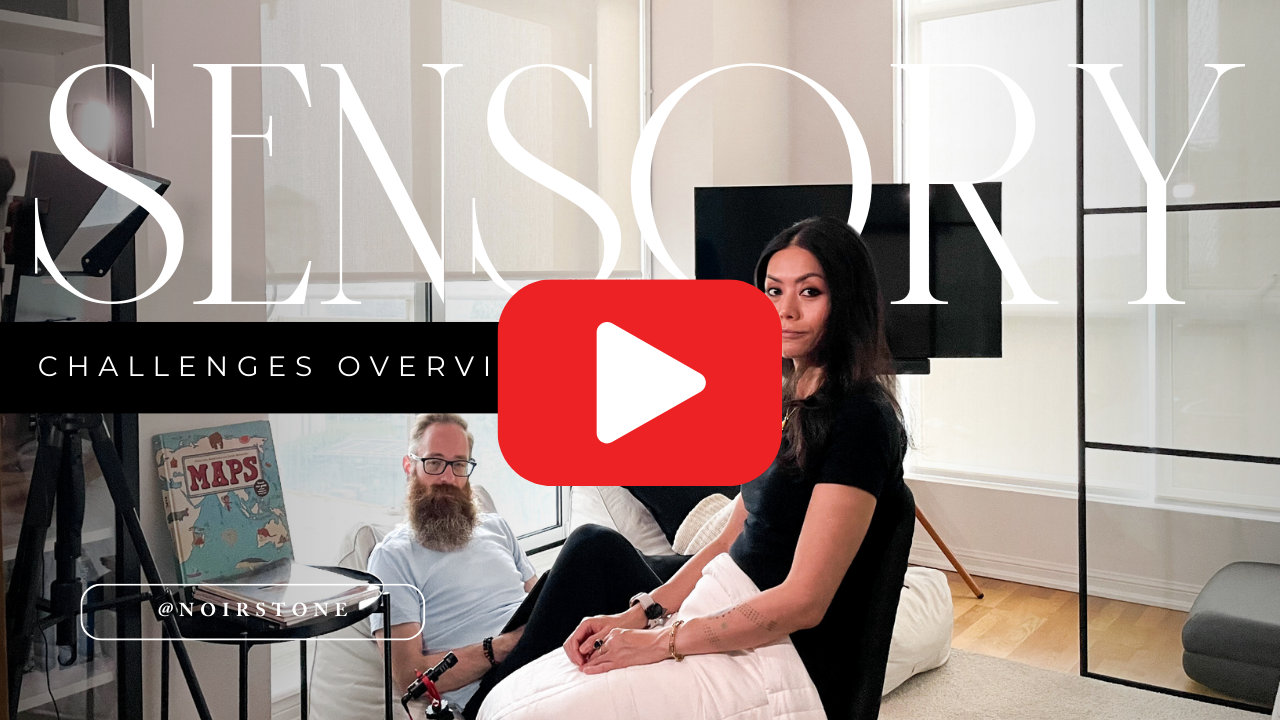
[Elliott] - Tell me a bit about sensory challenges…
跟我說說甚麼是感官挑戰吧……
[Nicole] - Sensory challenges can be many things by itself. It can also mean many things to each family and individual. This term has been discussed and talked about for some time, but still is not understood well enough by parents, caregivers, and practitioners.
感官挑戰本身可以有很多不同的面貌,對每一個家庭和個人而言,也可能代表截然不同的情況。這個詞彙已經被討論了一段時間,但對許多家長、照顧者和從業者而言,其實仍未被真正理解。
[Nicole] - Hi, I'm Nicole, Your Atypical Wellbeing Resource. Today, we'll explore "Sensory Challenges" you or your little ones may experience.
你好,我是 Nicole。今日,我們會一起探討你或你的小朋友可能正面對的「感官挑戰」。
[Nicole] - To understand what sensory challenges are, we first need to grasp the concept of 'sensory'. Sensory simply refers to our biological system that processes information from both internal and external environments.
要理解甚麼是感官挑戰,我們首先需要掌握「感官」這個概念。感官其實就是我們的生理系統,用來處理來自身體內部與外在環境的各種信息。
[Elliott] - How many senses do we have?
我們其實擁有多少種感官?
[Nicole] - While scientists are still debating whether humans have between 14 and 20 senses, depending on how you define a sense, most of us are familiar with 8 to 9 basic senses.
雖然科學界仍在爭論人類究竟擁有十四至二十種感官(視乎你如何定義「感官」),但大多數人較熟悉的,其實是八至九種基本感官。
[Elliott] - What are the different types of senses?
有哪些不同種類的感官呢?
[Nicole] - They include visual (seeing), auditory (hearing), olfactory (smell), gustatory (taste), tactile and nociception (touch and pain), thermoception (perception of temperature), vestibular (balance and spatial orientation), and pro-prio-ception (body awareness).
包括視覺(看)、聽覺(聞)、嗅覺(嗅)、味覺(嚐)、觸覺與痛覺(觸碰與痛感)、溫度覺(感知冷暖)、前庭覺(平衡與空間定位),以及本體覺(身體位置與動作的覺察)。
[Elliott] - How about in TCM?
那在中醫裡又是如何理解呢?
[Nicole] - In Traditional Chinese Medicine, some branches of Daoist and Buddhist teachings, the concept of senses can extend beyond physical sensation and consciousnesses.
在傳統中醫,以及部分道家與佛家教義中,感官的概念會延伸至超越純粹的身體感受,包括更深層的知覺與心識層面。
[Nicole] - Our brain has 12 pairs of cranial nerves that play key roles in sensory processing and motor functions. The process starts by receiving sensory inputs such as what we see, hear, touch, feel, or the place we are in, through receptors all over the body.
我們的大腦有十二對腦神經,負責感官處理與身體動作的關鍵功能。這個過程從身體各處的感受器開始,接收我們所看到、聽到、觸碰、感受到的事物,或我們所處的環境等各類感官輸入。
[Nicole] - These receptors send information through our nerves to a brain area called the Thalamus, except for smell, which bypasses this step. Then these signals are read in multiple areas of the brain, to help us create a clear idea of what's going on so we can respond to those stimuli.
感受器會透過神經把訊息傳遞到大腦中的丘腦(嗅覺除外,會略過這一步)。接著,這些訊號會在大腦的多個區域被解讀,讓我們能清楚理解當下發生的事情,並對刺激作出相應的反應。
[Elliott] - How does TCM see it?
那中醫如何看待這些呢?
[Nicole] - On the other hand, Traditional Chinese Medicines and Qi Gong practices see the body's sensory system as more than just focusing on the brain. They believe in 12 pairs of main meridians. This system branches out to our toes and fingertips from the center of the body, and they work closely with our brain and sensory functions.
而在傳統中醫與氣功的觀點中,身體的感官系統不僅限於大腦。他們認為身體有十二對主要經脈,由身體中心向外延伸至手指與腳趾,並與大腦及感官功能緊密合作。
Outside of TCM, it’s studied under the name Primo Vascular System by scientists. This system is never separated from any organs, emotions, memories, or other systems and is part of the overall vitality. This is just like we are individuals, but we are also part of society as a whole.
在中醫以外,科學家以「原始血管系統」(Primo Vascular System)來研究這一套網絡。這個系統與器官、情緒、記憶及其他系統從不分離,是整體生命力的一部分。就像我們每個人都是獨立的個體,但同時也是整體社會的一部分。
What this means is… when one place is sluggish, and another place is stagnate, then parts of our body or senses may start acting a little different.
這意味著……當某個地方變得遲滯,另一個地方開始鬱結時,我們身體或感官的某些部分便可能會出現異常表現。
Imagine when we go to work or school during the busy commute hours on rainy days. The trash or broken trees are blown to the road which can cause slow, uneven traffic flow and even lead to the tunnel being jammed.
想像一下雨天的繁忙時段,路上吹倒的垃圾或樹枝會令交通變得緩慢、不均,甚至造成隧道擠塞。
Now imagine a clear sunny day, with the cars flowing freely on the roads. Remember how you feel on those days when it’s just a breeze getting to your destination.
然後再想像一個晴朗的日子,車流暢順,你輕鬆抵達目的地,那種自在與順暢的感覺。
This idea promotes the harmony between our physical, mental, emotional, spiritual, and environmental well-beings as a complete eco system. One little change in the flow can affect the entire systems overall stability and health.
這正反映了身體、心理、情緒、靈性與環境之間的整體和諧,如同一個完整的生態系統。任何細微的流動變化,都足以影響整個系統的穩定與健康。
[Elliott] - How does the sensory system apply to the neurodiverse community?
感官系統對多樣性社群來說,有甚麼不同的影響?
[Nicole] - Some individuals within our community may find sensory processing rather challenging, especially if we have an intense limbic system, which regulates behavioral and emotional responses.
我們社群中的一些人士在處理感官資訊時會特別吃力,尤其是當邊緣系統反應較強烈時,這部分會負責行為與情緒調節。
With stagnation in meridians, or ones with structural damage, the person may feel elevated sensitivity. These challenges can lead to difficulty in filtering and prioritizing information, causing feelings of being overwhelmed or distracted.
如果經脈出現阻滯,或身體結構受損,感覺敏感度便會提升。這會令個體難以過濾與排序資訊,因而感到不堪負荷或容易分心。
This situation is like having "blockages" in our sensory system, which can influence our reactions, experiences, and even create a ripple effect in other aspects of our lives.
這情況就像感官系統出現「堵塞」,不但會影響我們的反應與感受,更可能在生活的不同層面引發連鎖效應。
Triggers and Real Life Examples
引發因素與生活實例
[Nicole] - Everyone is likely to experience sensory challenges. The way we express our discomfort and sensory overload are different among individuals. Lets take what we’ve just learned and reflect on something we may have experienced as children.
其實每個人都有機會遇上感官挑戰,只是每個人表達不適與感官超載的方式都不同。不如以我們剛學到的概念,回想一下童年時可能經歷過的情況。
For me, one of the most challenging situations, other than being in front of a camera, was attending dinner gatherings a few times a year throughout my childhood and early adulthood. My family and their associates would host these massive dinner gatherings where hundreds of people would attend.
對我而言,除了站在鏡頭前,童年到青少年時期最困難的情境之一,就是每年數次參加家庭及家人生意伙伴舉辦的大型聚餐。
Every single time I stepped into a Chinese restaurant, I was struck by the bright red and gold colors all over the place with an intense lighting. The atmosphere was filled with loud noises of people talking (excitedly) and yelling, along with the sounds of mahjong being played across multiple tables.
每次踏進中菜酒樓,映入眼簾的都是鮮紅與金色的強烈裝飾,再加上刺眼的燈光。四周充滿人們興奮高談、叫喊的聲音,還夾雜著多桌麻將碰撞的響聲。
My visual and auditory senses were overwhelmed. My body would be marinated in the smell of cigarette smoke. Remember, indoor smoking was legal back in the 80s and 90s. While I believe that expressing appreciation and hosting dinners is a wonderful gesture, I was often overwhelmed by the lavishness of sites, smells, and sounds. I found myself physically exhausted from anxiety and sensory overload, unsure of how to act, and trying to mask my feelings as if everything was fine.
我的視覺與聽覺在那一刻完全被淹沒。全身也沾滿了煙味,要知道,在八、九十年代室內吸煙仍是合法的。雖然我明白透過請宴表達心意是件美好的事,但那種鋪天蓋地的視覺、嗅覺與聽覺,經常令我不堪負荷。我會因焦慮與感官超載而身心疲憊,不知如何應對,只能強行掩飾,假裝一切安好。
[Elliott] - What did you do to make it through?
你當時是如何撐過去的?
[Nicole] - I would push through until the end, but the effort left me so tired that I would avoiding conversation during and for some time after.
我通常會硬撐到最後,但過程中消耗太大,以至於在席間和之後的一段時間,我都會迴避對話。
This response was a way for me to conserve energy, just like our phone's low battery mode. Unfortunately, it was often mistaken for being rude or distant.
這其實是一種為了保留能量的自我保護,就像手機進入低電量模式一樣。可惜這種反應經常被誤會成冷淡或不禮貌。
[Nicole] - Sensory challenges can be quite subtle, noticeable to only a few individuals as well as the person it affects. Also, they can be so widely accepted in society that they end up being overlooked because they are considered "normal" or “mitigated”.
感官挑戰往往非常細微,不僅不易被他人察覺,連當事人也未必意識得到。有些甚至因為在社會中過於常見,被視為「正常」或「已適應」而被忽略。
Another way some respond to over or under-stimulating events in life is through "stimming". Stimming means self soothing or self-stimulation in order to cope, distract, or comfort the individual.
另一種對過度或不足刺激作出的反應,就是「自我刺激」(stimming)。這指透過自我安撫或自我刺激,去應對、轉移、或安慰自己。
It is more than just a physical response. It's often used as a way to communicate and self-regulate. This is because our body has this self-regulating mechanism. We are constantly finding ways to help ourselves stay at that homeostasis.
這不僅是身體上的反射,更是一種溝通與自我調節方式。因為身體本來就具備自我調節機制,我們時刻都在尋找方法,讓自己回到平衡狀態。
This might seem foreign to some parents but it actually is very common because everyone stims.
對某些家長來說,這可能顯得陌生,但其實十分普遍,每個人都會進行自我刺激。
In a neuronormative setting, many people stim or practice self-soothing without even realizing it. This might include sitting in a rocking chair, shaking legs, or being very particular about certain textures of clothing to find comfort.
在神經典型的環境裡,很多人都會不自覺地進行自我安撫,例如坐搖椅、抖腳,或對衣物質地特別挑剔以尋求舒適。
Now, if we recognize these self-regulation practices in neurotypical individuals, they're seen as normal.
當這些行為出現在神經典型者身上時,往往被視為很正常。
However, when observed in neurodivergent individuals, they may be misunderstood as behavioral problems. A lot of times, this is due to the intensity in how the person is expressing it or the limitations in other abilities to aide the expression.
但若同樣行為出現在神經多樣性者身上,往往會被誤解為行為問題。這很多時候源於表達方式較為強烈,或缺乏其他能力去協助表達
Certainly, there are various profiles and spectrums of sensory responses. Discerning these differences, finding what works best for each individual, or identifying useful tools can be quite challenging.
當然,感官反應本就有不同模式與光譜。要辨別這些差異、找出最適合每個人的方式、或挑選有效工具,確實不容易。
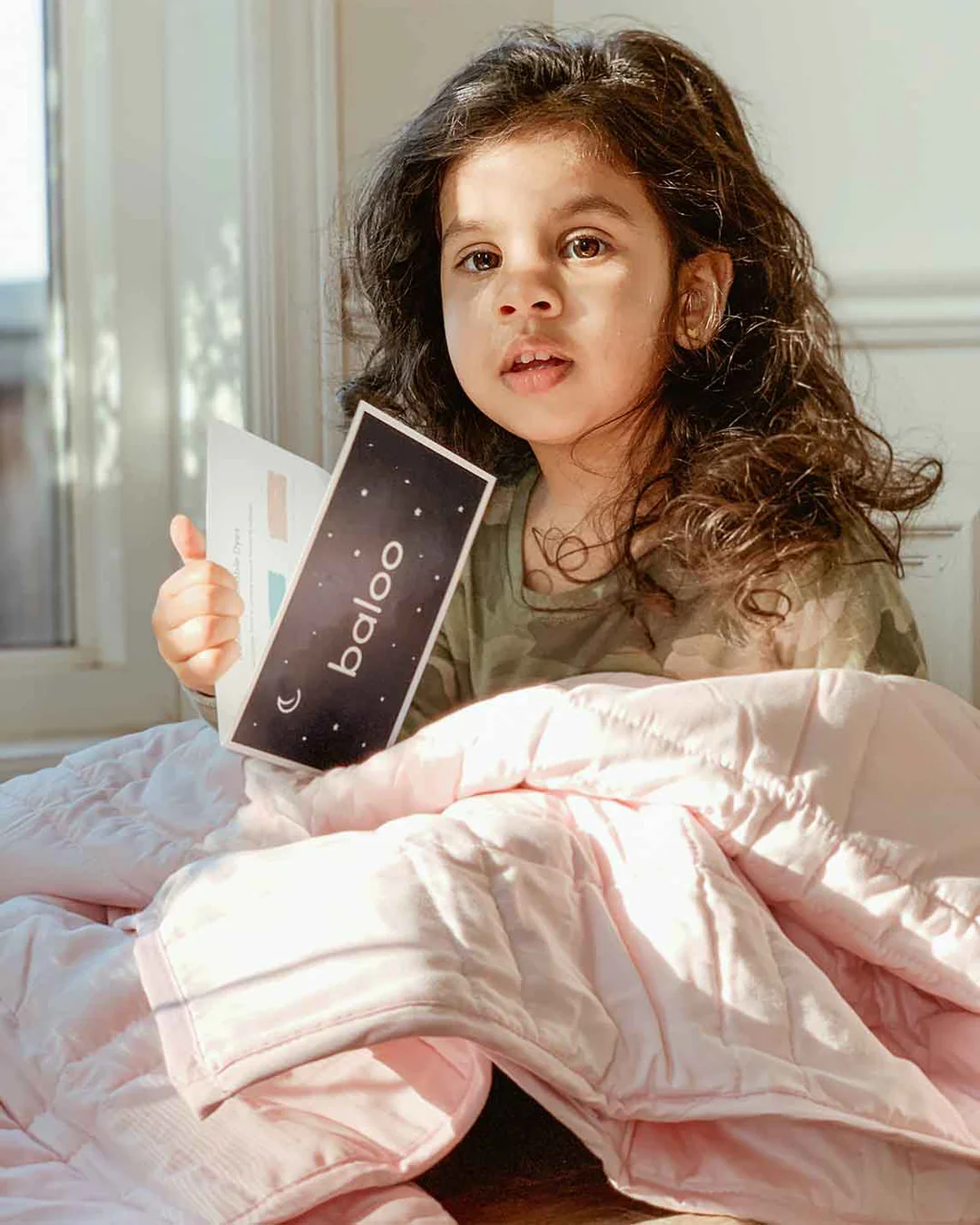
To make life bit simpler we tend to find tools or practices that help us move through life. One of these tools we’ve recently looked at was provided by our partner - Baloo Living.
為了讓生活稍微簡單一些,我們會尋找一些工具或做法來幫助自己生活。我們最近探討的一個工具是來自我們的合作夥伴 —Baloo Living。
[Nicole] - Baloo Living understands sensory needs and delivers tools to sooth our nervous systems to its natural balance state.
Baloo Living 理解感官需求,並提供能幫助神經系統回復自然平衡的工具。
Their signature weighted blankets are made with 100% premium cotton and lead-free glass beads. The perfect size and weight definitely gives me the deep pressure stimulation that feels like a firm warm hug. Now I can get hugs and comfort even when my husband is away.
他們的招牌加重毯採用 100% 高級棉料與無鉛玻璃珠製成。理想的尺寸與重量,能給我深層壓力刺激,宛如堅實溫暖的擁抱。即使丈夫不在身邊,我也能獲得擁抱與安慰。
Other than weighted blankets, we can also find their thoughtful products to help our sensory needs, such as comforters, bed settings, and sleep masks that block light and muffle the surrounding sound.
除了加重毯,我們還能找到 Baloo Living 的貼心產品來滿足感官需求,例如被褥、床上用品,以及能阻擋光線與減低周圍聲音的睡眠眼罩。
Sleep is the foundation of wellbeing and, home is where every foundation starts. Baloo Living donates a portion of profits to Pajama Program and provides new pajamas as well as bedtime books to children in foster care and homeless shelters.
睡眠是身心健康的基礎,而家是所有基礎的起點。Baloo Living 將部分利潤捐贈給 Pajama Program,為寄養兒童及無家可歸的孩子提供全新睡衣與睡前讀物。
Click the link in the description (Or picture on this article) to discover how Baloo Living can bring comfort for you, your family, and children in need.
點擊文章中的連結(或圖片)即可了解 Baloo Living 如何為你、你的家人,以及需要幫助的孩子帶來舒適與安慰。

[Elliott] - Any suggestions on where we can start?
有沒有建議我們可以從哪裡開始著手?
[Nicole] - Here are simple examples to work with. Anxiety can manifest as excessive fear or worry and may be linked to sensory overload or worry about the events that haven’t happened yet. Essentially, worrying about the future. Other feelings can be loneliness, sadness, over fiery or over joyful.
這裡提供一些簡單範例作參考。焦慮可能表現為過度的恐懼或擔憂,可能與感官過載有關,或對尚未發生的事件感到憂慮。簡單說,就是對未來感到焦慮。其他情緒可能包括孤獨、悲傷、過度激動或過度喜悅。
Autistic and neurodivergents may become anxious in crowded spaces or, the complete opposite, such as a very open and quiet space.
自閉症與神經多樣性者,可能在擁擠的空間中感到焦慮,或完全相反,在過於開闊和安靜的空間中也會感到不適。
Other situations may include facing projects of passion or having an opposite view than other people on the team.
其他情境可能包括面對熱衷的專案,或與團隊其他人意見相左的情況。
Some of it may even come with PTSD as a pairing, so the memory of the past comes in, triggering worry toward the future. In our culture, small children would get very jumpy or feel unsafe during bedtime, so traditionally, parents or grandparents would prepare a small rice bag, placing it on the child’s chest and abdominal area. In the current day and age, we can use other tools to help.
有些情況甚至可能伴隨創傷後壓力症候群(PTSD),過去的記憶被觸發,進而引發對未來的擔憂。在我們的文化中,小孩在睡前容易緊張或感到不安全,因此傳統上父母或祖父母會準備小米袋,放在孩子的胸口與腹部。現今,我們可以使用其他工具來提供幫助。
Weight
Using weighted blankets or deep pressure touch therapy can create a sense of security and calmness. Our weighted blanket is about 15 lbs, which is about 6 - 7 kg. It’s made with durable cotton so it provides a very soft, non itching feeling.
使用加重毯或深層壓力觸感療法,可以帶來安全感與平靜感。我們的加重毯重約 15 磅(約 6–7 公斤),採用耐用棉料製作,觸感柔軟且不癢。
Weighted blanket aren’t only meant to be used in bed. It is just as useful on the couch. The smaller size can also be used on commutes, in the office, and school so it helps us to feel more grounded.
加重毯不僅適合床上使用,在沙發上同樣實用。較小尺寸還可以在通勤、辦公室或學校使用,有助於增強安全感與穩定感。
Hugs
Hugs (consensual) are a very useful alternative to weighted blankets, only if the person is ok to have skin contact It works just like weighted blankets, providing pressure and warmth, but also comes with the addition of the human pulses and love.
擁抱(需雙方同意)是加重毯的有效替代方式,前提是當事人願意接觸皮膚。它與加重毯作用類似,提供壓力與溫暖,且增添了人類脈動與情感的連結。
Compression Clothing
When blankets and hugs aren’t an option, some prefer compression clothing. I used to wear skin tight clothing by itself or underneath sweaters. This helps compressing my body to give me that needed sense of security on my terms.
當毯子與擁抱不可行時,有些人會選擇壓力衣物。我過去常單穿緊身衣,或穿在毛衣底下。這種方式能壓迫身體,帶來所需的安全感。
Decompression
Not everyone likes compression and weights on or around them. Some people prefer decompressing and freedom. They would experience poor sleep or feelings similar to claustrophobia (fear of small/confined spaces).
並非每個人都喜歡身上或周圍有壓力與重量。有些人更喜歡放鬆與自由,否則可能會睡不好,或出現類似幽閉恐懼的感受。
No one solution completely fits any situation. Commonly, you experience a mix of needs as well as solutions to address them. It’s very commonto see kids (or myself) that when we have to bundle up in winter, we can feel extremely uncomfortable when the jacket is zipped up to the chin.
沒有一種方法能完全適用於所有情境。通常,我們會同時面對多種需求,並採取相應的多種解決方式。很常見的情況是,小孩(或我自己)在冬天需要穿得很厚時,當夾克拉到下巴時會感到極度不適。
This is a good example of when we are ok to wear tight and warm clothing on the body, but not so much on or around the neck.
這就是一個例子,說明身體其他部位可以穿緊身保暖衣物,但頸部周圍就不適合。
This is a continuum of our first example, plus it adds on the sensation of certain fabrics or object textures that may be irritating to the person, or have the opposite effect in which one will obsess over sensations the texture brings.
這是前面例子的延伸,還加入了某些布料或物件材質的觸感,可能令個體感到不適,或產生相反效果,使人沉迷於探索這些觸感帶來的感受。
It’s important to comprehend the texture, the feelings it brings, and why the person is attracted to that specific texture.Sometimes it can be something soothing physically. It can also come from curiosity. The discovery of a new texture, leading to obsession of understanding. Some can also come from being predictable, so we don’t have to stress about if a new texture does or doesn’t work with us. Other than fabrics, the same rules apply on skincare, fidget tools, and everyday interactions with the environment.
了解材質、它帶來的感受,以及為何會被特定材質吸引,是非常重要的。時這些材質能帶來身體上的安撫,也可能出於好奇心。發現新材質可能引發對其感受的沉迷。也有些人偏好可預測的材質,這樣就不用擔心新材質是否適合自己。除了布料,這些原則同樣適用於護膚品、感官玩具,以及日常與環境的互動。
Flashing lights may cause discomfort or even pain. In some cases, purplish-blue colors can also make a person feel physical discomfort. There are even some that experience anxiety and discomfort when there are types of motion or movement happening within their periphery. For accommodation, soft, ambient lighting, tinted or transitional glasses, even something as simple as sunglasses can help.
閃爍的燈光可能引起不適甚至疼痛。有些情況下,偏紫藍的顏色也可能令人感到身體不適。甚至有人在周邊出現特定運動或動態時會感到焦慮與不適。為了調適,可使用柔和的環境光、色彩濾鏡眼鏡、過渡性眼鏡,甚至簡單的太陽眼鏡都能有所幫助。
A loud noise, like a siren, may be overwhelming, to the point of inaction. The opposite is also true, where it can be too quiet, causing the person to be overwhelmed by internal noise. Noise-canceling headphones, earbuds, or even soundproof rooms can create a more comfortable environment for those subject to too much environmental noise. While some require white noise or background sounds, like traffic, to feel comfortable and functional.
巨響,如警笛聲,可能讓人無法應對,甚至無法行動。相反地,過於安靜也可能造成困擾,讓人被內部聲音淹沒。降噪耳機、耳塞,或隔音房間,能為對環境噪音敏感的人提供舒適的環境。有些人則需要白噪音或背景聲(如交通聲)來維持舒適與功能性。
I remembered when I first lived in the suburbs in Australia. I had to turn on something with sound to help me sleep, because coming from busy Hong Kong to the quiet suburbs of Australia was a massive change in noise. It made me very anxious.
我記得剛搬到澳洲郊區時,必須開一些有聲音的設備來幫助入睡。從繁忙的香港來到安靜的澳洲郊區,噪音環境變化巨大,讓我感到非常焦慮。
Certain food textures may be intolerable, unpredictable or unexpected. Just as scent, taste is a powerful sense. It can be overwhelming due to complexity (think “super tasters”) or it can also trigger previous trauma. Some people can be bothered by not just taste, but also certain texture, moisture, sound, or memory.
某些食物的口感可能無法接受、難以預測或出乎意料。和嗅覺一樣,味覺也是強烈的感官體驗。它可能因複雜性而讓人感到感官過載(如「超級味覺者」),也可能觸發過往創傷。有些人不僅對味道敏感,還可能對口感、濕度、聲音或記憶感到困擾。
A lot of times our children or even autistic adults might not be able to give feedback verbally due to limitations on how to express the feelings. Even when verbal communication doesn’t seem like an issue on the surface, finding the right vocabulary to describe the feeling can be a challenge. This can be even further complicated when we aren’t speaking our mother or natural tongue.
很多時候,我們的孩子甚至自閉症成年人,可能無法用語言表達感受。即使表面上看語言溝通不是問題,要找到恰當的詞彙描述感受也很困難。如果不是使用母語或自然語言,情況會更加複雜。
So when the child knows they’d feel unwell after eating certain food, but they don’t have enough vocabulary or ability to communicate the feelings, the most direct response is to avoid eating it. And… depending on the situation, this can devolve into a fit or other negative responses.
因此,當孩子知道吃某些食物會不舒服,但缺乏詞彙或能力表達感受時,最直接的反應就是避免進食。根據情況,這可能演變為發脾氣或其他負面反應。
When they stick with one type of food, one of the many reasons is because it’s predictable and “safe”. This is when we need to learn to observe the little clues and attempt to find out the “why”.
當他們只吃某一類食物,其中一個原因是這樣比較可預測,也覺得「安全」。此時,我們需要學會觀察細微線索,試著找出原因。
The other thing is sucking and chewing are also ways that humans find comfort through sensation in oral cavity.
此外,吸吮與咀嚼也是人類透過口腔感官尋求舒適的方式。
Difficulties with physical coordination or understanding spatial relationships. Unable to hold things or perform certain movements. Bumping into objects, even when they know there’s the same wall or object in front of them every time.
肢體協調或空間理解困難。無法穩定抓握物件或完成特定動作。即使每次面前都有同一堵牆或物品,也容易碰撞。
Seeking help from occupational therapists, montessori teachers who have experience with kids on spectrum, and psycho therapists, are important help them understand it’s not their fault.
尋求職業治療師、具有自閉症兒童經驗的蒙特梭利老師,以及心理治療師的幫助,對於讓孩子理解這不是他們的錯非常重要。
In Traditional Chinese Medicine, feeling a sense of failure, trapped, and sense of worthlessness can affect our muscles, tendons, and overall flow in the body.
在中醫理論中,感到失敗、受困或自我價值低落,會影響肌肉、肌腱以及整體氣血流動。
Interestingly, some autistic individuals actually have been using stimming choices that are close to what TCM and Qi Gong would practice. When we see an individual wobbling, rocking on their feet, front to back or side to side, it’s actually helping them feel calm.
有趣的是,一些自閉症人士其實使用的自我刺激方式,與中醫與氣功的練習非常相似。當我們看到有人搖晃、前後或左右搖擺時,其實是在幫助他們平靜。
In TCM and Qi Gong practice, we have a point on the bottom on the feet which help to send or release the junk energy out of the body. All this while circulating calming electrical signals back up through the body to the brain, traveling through our spine, meridians, and collaterals.
在中醫與氣功中,腳底有穴位能幫助排出體內多餘能量,同時將平靜的電信號循環回身體與大腦,通過脊椎、經絡與絡脈。
For individuals on wheelchairs, or younger kids, wobble boards are an option for helping to get the calming sensations through spatial self-soothing.
對使用輪椅的人或年幼孩子來說,搖晃板也是一種幫助他們透過空間自我安撫獲得平靜感的選擇。
It’s also important to understand that nothing is more effective than making connections. Taking time to understand what ours kids or those individuals are really going through and their needs.
同時也要明白,沒有什麼比建立連結更有效。花時間去理解孩子或個體真正經歷的情況與需求非常重要。
As parents and educators, setting 1 on 1 time with our kids and even with ourselves is very important. Making connections, being patient, learning the ability to listen (not just hear), and to connect are skills. It takes time and patience along with practice.
作為家長和教育者,安排一對一時間與孩子相處,甚至與自己相處,都很重要。建立連結、耐心、學會傾聽(而不只是聽見)並與之連結,都是需要時間與練習的技能。
And as life changes, we continuously must change. We have to adapt as what we or our loved ones are going through today, may not and likely will not be the same tomorrow.
隨著生活變化,我們也必須不斷調整。今天自己或親人所經歷的,明天可能會不同,因此我們需要學會適應。
Taking the time to understand that the only constant in life is change. We live through it and make everyday as a learning opportunity. This is so we don’t get overwhelmed by anxiety of being a failure, setting off our other senses.
花時間理解,生命中唯一不變的是變化。我們在其中生活,並將每一天視為學習的機會。如此一來,我們就不會因害怕失敗而焦慮,進而觸發其他感官的不適。
As practitioners, phycisians, and clinicians, or even advocates, especially now with the ability to engage clients from across the globe so easily… We need to learn to properly understand where they come from and where they are at in life.
作為從業者、醫師或臨床人員,甚至倡議者,尤其在如今能輕鬆與全球客戶互動的情況下……我們需要學會正確理解他們的背景以及目前的處境。
A lot of times we see the abundance of solutions online, that might not neccesarily apply in other parts of the world because of cultural differences, accessibility, availability, affordability, and attainability.
很多時候,我們在網上看到的大量解決方案,可能不適用於世界其他地區,因為文化差異、可及性、可取得性、價格及可實現性不同。
The ultimate goal of this video is to remind us all to revisit the blindspots in our lives. We must recognize that we need to pay attention not only to our physical senses, but also to our emotional and spiritual senses. They work together simultaneously. This applies to both adults and children.
這段影片的最終目標,是提醒我們重新檢視生活中的盲點。我們必須意識到,不僅要關注身體感官,也要關注情緒與精神感官,它們是同時運作的。這適用於成人與孩子。
The first step is to establish a connection with ourselves and our children before finding a solution. Connection is the fundamental key to building a foundation for wellbeing.
第一步是在尋找解決方案前,先與自己及孩子建立連結。連結是打造身心健康基礎的核心關鍵。
Disclaimer: This publishing is made for informational and educational purposes only. It is not intended to be medical and life advice, nor an exhaustive list of specific treatment protocols. The approach and perspective is only based upon the content contributor’s knowledge, research, or clinical experience. The content creators, authors, editors, reviewers, contributors, and publishers cannot be held responsible for the accuracy or continued accuracy of the information or for any consequences in the form of liability, loss, injury, or damage incurred as a result of the use and application of any of the information, either directly or indirectly. Each plan must be individually tailored with the guidance and clinical judgment of your medical or healthcare practitioner or related advisor.
免責聲明:內容僅供資訊及教育用途,並非醫療或專業建議,亦非特定治療方案。本文所提供的方法與觀點,僅基於內容撰稿者的知識、研究或臨床經驗。內容創作者、作者、編輯、審閱者、貢獻者及出版方,對於資訊的準確性或持續準確性,或因使用及應用該等資訊而直接或間接導致的任何責任、損失、傷害或損害,概不承擔任何後果責任。每一項療法或計劃必須在您的醫療或健康護理、或相關專業人員的指導及臨床判斷下,作個別化的調整而定。