.png)




In this article, we’re going to cover:
在本篇文章中,我們將會探討以下內容:
Part Two
第二部分
From Part 1, we explored the difference between mainstream westernized medical views and indigenous/traditional viewpoints. In Part 2, we dive into the different types of scientific research that we have today.
在第一部分中,我們探討了主流西方醫學觀點與原住民/傳統觀點之間的差異。而在第二部分,我們將深入了解現今不同類型的科學研究。

The majority of research papers follow a very general format for presenting their findings. Knowing what each of these sections contains can help us locate the most pertinent information and findings and make reading through them less daunting.
大多數研究論文都遵循一個通用的格式來呈現其研究成果。了解每個部分所包含的內容,可以幫助我們更容易找出最相關的資料與結果,讓閱讀研究論文變得不那麼困難。
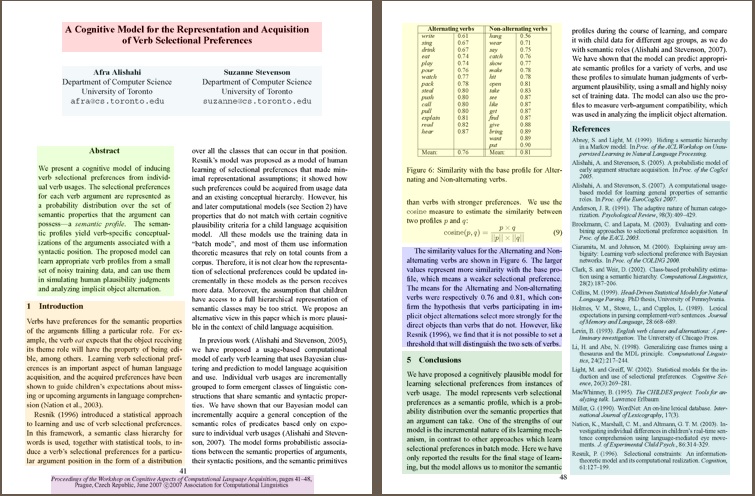
The abstract of each research paper is at the beginning. There is a short summary of the research that was conducted, the results, and the team's conclusion. It provides a clear understanding of which articles are relevant to our clients without having to read the whole article.
每篇研究論文的開頭都會有摘要,簡要說明研究的內容、結果及團隊的結論。摘要能讓我們不必通讀整篇文章也能快速判斷該研究是否與我們或客戶相關。
Introducing the research and situating it in context with what is already known, including information on traditional use and its goals. The authors might also describe the type of study they conducted.
這部分介紹研究的背景與已知的相關知識,亦可包括傳統應用及研究目標。作者通常也會說明所進行的研究類型。
Throughout this section, the research team will describe how it was conducted. It includes data on the subjects (age, sex, ethnicity, etc. ), any selection criteria, the type of research (see below for more information on the different types of research), the herb(s), constituent, form (capsule, alcohol or water extract, standardized or not, etc.), dose applied, and how the data was analyzed.
在這一部分,研究團隊會詳細說明研究的進行方式,包括受試者資料(年齡、性別、族群等)、選取標準、研究類型(詳見下文)、所使用的草藥或成分、劑型(膠囊、酒精或水提取物、有否標準化等)、劑量,以及數據分析的方法。
In this section, the study's data analysis results are presented. Typically, they are presented in a concise format without interpretation. Some may find this section intimidating as it contains a lot of statistics and charts that may seem confusing to the untrained eye. Do not spend too much time on this section if you aren't used to reading research papers. Let's jump ahead to the discussion and conclusions, where the authors explain their findings and their assessment. To verify their interpretations, the results section can be used as a reference point.
本部分呈現研究數據的分析結果,通常以不附帶解釋並簡潔的方式展示。對不熟悉統計或圖表的人而言,這一段可能顯得艱澀;若你不習慣閱讀研究論文,無需在此花費太多時間,可直接跳至「討論」及「結論」部分,了解作者如何詮釋結果。若要驗證他們的解讀,則可再回頭參考這部分的數據。
In this section, the authors explain their results in detail and provide additional information. It is common for them to present other similar research and discuss how it compares to theirs. Researchers should list the limitations of their research here, but not all do so, so be prepared to evaluate for yourself what the weak points are.
作者在此部分會詳細解釋研究結果,並補充其他相關資料。他們通常會引述相似的研究,並比較其異同。理論上,研究者應在此列出研究的限制,但並非人人都會這樣做,因此讀者需自行判斷研究的不足之處。
In general, this section summarizes the authors' conclusions from their research. Conclusions often repeat in a more concise way what was already discussed in the discussion section and suggest further research.
結論部分通常總結作者的主要發現與見解,並以更簡潔的方式重述討論中的要點,同時提出未來可進一步研究的方向。
It is helpful to know what critical points to think when reading scientific research. These questions will also help you read research critically instead of simply taking it at face value. Research on herbs and traditional medicines often fails to take into account how they are used in practice without herbalists and other traditional medicine practitioners involved. Not only can this affect results and accuracy, but how relevant the research is to you and your client. Let's explore some key points.
閱讀科學研究時,了解應該思考的關鍵要點非常重要。這些問題能幫助我們以批判性的角度閱讀研究,而非只接受表面結果。關於草藥與傳統醫藥的研究往往未能考慮其實際應用方式,尤其在沒有草藥師或傳統醫者參與的情況下。這不僅會影響研究的準確性,也關係到結果是否與你或客戶相關。以下是一些應注意的重點:
Each type of study has its own strengths and weaknesses when it comes to research. This section will run over the basics of all the unfamiliar terms. It might be more helpful to use it more as a reference. The more you read current research the more familiar you will be with the different types of studies and what to look out for.
不同的研究類型各有優缺點。本節將概述常見研究類型與術語,作為日後參考。隨著閱讀經驗增加,你會愈來愈熟悉各種研究設計及其重點。

No matter what the overarching study design, be sure to note whether a study is in vivo or in vitro.
無論研究設計為何,首先要留意該研究是「體內(in vivo)」還是「體外(in vitro)」進行。
The term in vitro (which means "in glass") refers to research conducted outside of the normal biological setting, such as in a petri dish or test tube. Tests are performed on isolated biological aspects, such as proteins or cells. The benefit of this kind of study is that it simplifies the testing environment from the hugely complex system that is the human body. This allows scientists to gain a deeper understanding of what is really going on in the body. These findings are often difficult to extrapolate back to the complete and complex biology of an individual.
「體外研究」(in vitro,意指「在玻璃中」)是指在非生物體內進行的實驗,例如於培養皿或試管中進行。此類實驗通常針對分離出的生物成分(如蛋白質或細胞)進行測試。其優點是能將人體這個極其複雜的系統簡化,讓科學家更深入理解某些機制。不過,這些結果往往難以完全套用到整體人體的生物運作中。
Studies that take place in vivo (which means "in life/living" in Latin) are studies that are performed on whole, living organisms, including humans, animals, and plants. Animals or humans are often used in clinical trials in vivo. Studies in vivo can be expensive but are preferred to in vitro to gain an accurate understanding of how the focus of a study (substance, procedure, etc.) will perform in practice (Vignais & Vignais, 2010).
「體內研究」(in vivo,拉丁文意為「在生命之中」)則是在活體有機體中進行的實驗,包括人類、動物或植物。臨床試驗通常屬於體內研究。雖然成本較高,但體內研究更能準確反映某物質或療法在實際應用中的效果(Vignais & Vignais, 2010)。
An observational study involves observing subjects without changing the study environment. Researchers observe effects rather than trying to control them with outside "treatment or intervention".
觀察性研究是指在不改變研究環境的情況下,觀察受試者的狀況。研究者僅觀察結果,而不介入或操控變數。
Observational research is the most basic type of study with limited input from the research team. The emphasis is placed on the collection of data and analysis.
這是最基礎的研究方式,研究團隊的介入最少,重點在於資料收集與分析。
There are also different types of observational studies:
觀察性研究亦可分為多種類型:
Observational studies are easier to design and less costly. It is also the only ethical way to explore certain issues. As an example, you would not want to expose subjects to a potentially harmful situation or substance in a randomized controlled trial. However, the results can be easily challenged because they often do not consider all variables.
觀察性研究設計簡單、成本低廉,亦是某些議題中唯一符合倫理的方法。例如,我們不能在隨機對照試驗中讓受試者暴露於可能有害的物質。不過,此類研究的結果容易被質疑,因為它們往往無法控制所有變數。
Unlike observational studies, experimental studies often introduce an intervention/treatment and study its effects. Experimentation falls into two categories:
與觀察性研究不同,實驗性研究會主動引入某種干預或治療,以觀察其效果。主要分為兩大類:
Participants in the control group either received nothing or a placebo that looked and tasted the same. Data would be collected and analyzed. Experimental studies differ from observational studies, where researchers simply observe those with existing experiences vs. those without, because they introduce certain subjects consumption to randomly selected participants and analyze the results.
對照組的參與者通常不接受任何治療,或僅服用外觀與味道相似的安慰劑。研究者隨後收集並分析資料。與觀察性研究不同,實驗性研究會主動讓受試者接觸研究對象(如藥物或草藥),再觀察結果。
The benefit of experimental studies is that they eliminate bias, especially if they are randomized, controlled, and double-blind.
實驗性研究的優點是能最大限度地減少偏差,尤其當研究採用隨機、對照及雙盲設計時。
It is most useful to understand the difference between observational and experimental studies, but you will also come across other terms when reviewing research. Here's a quick summary of what they mean (Kestenbaum, 2009):
了解觀察性與實驗性研究的差異最為關鍵,但在閱讀研究時,你也會遇到其他常見術語。以下為簡要說明(Kestenbaum, 2009):

The gold standard for all scientific research is a study that is randomized, controlled, and double-blind (also known as RCDB). Researchers believe that this study design will provide the most accurate information and will demonstrate an association with as little bias as possible. Research is conducted in RCDB, and subjects are randomly assigned to groups (treatments/interventions and placebos). In comparison with other randomized studies, a placebo group is always used. This allows researchers to isolate the true effectiveness of a treatment, such as an herb or herb formula, rather than what is due to the placebo effect, where an inert treatment still has effects based on the belief that it is working.
所有科學研究的「黃金標準」,是採用隨機、對照、雙盲(RCDB)設計的研究。研究人員認為,這種研究設計能提供最準確的資料,並以最小的偏差展示結果之間的關聯。在 RCDB 研究中,受試者會被隨機分配至不同組別(例如治療/介入組與安慰劑組)。與其他隨機研究相比,RCDB 一定包含安慰劑組。這樣的設計能讓研究人員分辨出某種療法(例如草藥或方劑)的真正療效,而不是受試者因「相信有效」而產生的安慰劑效應。
Additionally, RCDB studies are double-blind, which means neither the researchers nor the subjects know whether they are receiving the treatment or a placebo. Researchers are also subject to bias and may look for expected signs of effectiveness when they know who is receiving treatment.
此外,RCDB 研究屬於雙盲設計,代表無論是研究人員還是受試者,都不知道誰正在接受真實治療或安慰劑。這樣能避免研究人員因預期結果而產生的偏見,例如在知道誰接受治療時,會下意識地尋找「療效的跡象」。
RCDB studies may also be conducted in phases:
RCDB 研究亦可分為不同階段進行:
An RCDB study is considered the most optimal because it most clearly demonstrates a cause and effect relationship, but other studies can still provide valuable information. To get a bigger picture, we don't want to dismiss studies based solely on what type of study they are.
RCDB 研究被視為最理想的研究設計,因為它能最清楚地呈現因果關係。不過,其他類型的研究仍然能提供有價值的資訊。若想全面理解某個議題,我們不應僅因研究類型不同就否定其重要性。

Literature reviews and meta-analyses are common secondary studies. These studies are often undertaken to gain an in-depth understanding of existing research and identify patterns and consensus.
文獻綜述(Literature Review)及統合分析(Meta-Analysis)是常見的「次級研究」。這類研究旨在深入了解現有的研究成果,並從中辨識出共同的模式與學術共識。
An assessment of the existing literature on a topic is done by reviewing studies that have already been conducted. In addition, it identifies any research gaps. These studies are also often used to provide a case for further research, whether on an herb, a disease/condition, or even more broadly within a field of study.
文獻綜述是對某一主題現有文獻的評估與整理,透過回顧已完成的研究,了解目前學術界的發現與趨勢,並指出尚待探討的研究空白。這類研究常用於建立進一步研究的理論基礎,不論是針對某種草藥、疾病/病症,或更廣泛的研究領域。
Systematic Review
系統性綜述
A systematic review examines all high-quality evidence relevant to a particular research question (Cooper, 2009). For this reason, additional criteria are often set for selecting studies. Studies in systematic reviews are typically randomized, controlled, and double-blinded, but reviewers may set additional parameters. The goal of this type of review is to provide an extensive summary of all research relevant to the research question. They often, but not always, use some statistical analysis to assist in the assessment of the research to date.
系統性綜述是針對特定研究問題,全面檢視所有高品質的研究證據(Cooper,2009)。因此,研究者通常會設定額外的篩選標準,以確保資料的嚴謹與一致。納入的研究大多為隨機、對照、雙盲設計,但評審者亦可能設定其他參數。這種綜述的目的,是對相關研究進行全面而詳細的總結,有時亦會輔以統計分析,以協助評估現有研究的整體結果。
Meta-Analysis
統合分析
Meta-Analyses are systematic reviews that use statistical analysis to compare and contrast the data from all the research included in the literature reviews. They are statistical snapshots of a systematic review. They help identify patterns, areas of disagreement, and other relevant relationships between the studies included.
統合分析是在系統性綜述的基礎上,進一步運用統計方法,將所有納入文獻中的數據進行比較與分析。它可視為系統性綜述的「統計化呈現」,能協助研究者辨識不同研究之間的共同模式、爭議焦點,以及其他有意義的相關性。
Here comes the publication after all the studies, observations, testing, and reviews. Despite this, not all publications are straight forward and not all of them are done correctly. Here is an explanation from the science communicator, Derek Muller, of Veritasium.
經歷了各項研究、觀察、測試與綜述後,最終成果會以出版形式發表。然而,並非所有出版物都能真實反映研究過程,也不是所有研究都執行得完善無誤。以下是來自科學教育者 Derek Muller(YouTube 頻道 Veritasium)的解釋。
We’ll continue in Part 3
我們將於第三部分繼續。
Photos : Noirstone | Unsplash Diane Serik | Unsplash Navy Medicine
This article was originally published on our website in 2022
Disclaimer: This publishing is made for informational and educational purposes only. It is not intended to be medical and life advice, nor an exhaustive list of specific treatment protocols. The approach and perspective is only based upon the content contributor’s knowledge, research, or clinical experience. The content creators, authors, editors, reviewers, contributors, and publishers cannot be held responsible for the accuracy or continued accuracy of the information or for any consequences in the form of liability, loss, injury, or damage incurred as a result of the use and application of any of the information, either directly or indirectly. Each plan must be individually tailored with the guidance and clinical judgment of your medical or healthcare practitioner or related advisor.
免責聲明:內容僅供資訊及教育用途,並非醫療或專業建議,亦非特定治療方案。本文所提供的方法與觀點,僅基於內容撰稿者的知識、研究或臨床經驗。內容創作者、作者、編輯、審閱者、貢獻者及出版方,對於資訊的準確性或持續準確性,或因使用及應用該等資訊而直接或間接導致的任何責任、損失、傷害或損害,概不承擔任何後果責任。每一項療法或計劃必須在您的醫療或健康護理、或相關專業人員的指導及臨床判斷下,作個別化的調整而定。