.png)



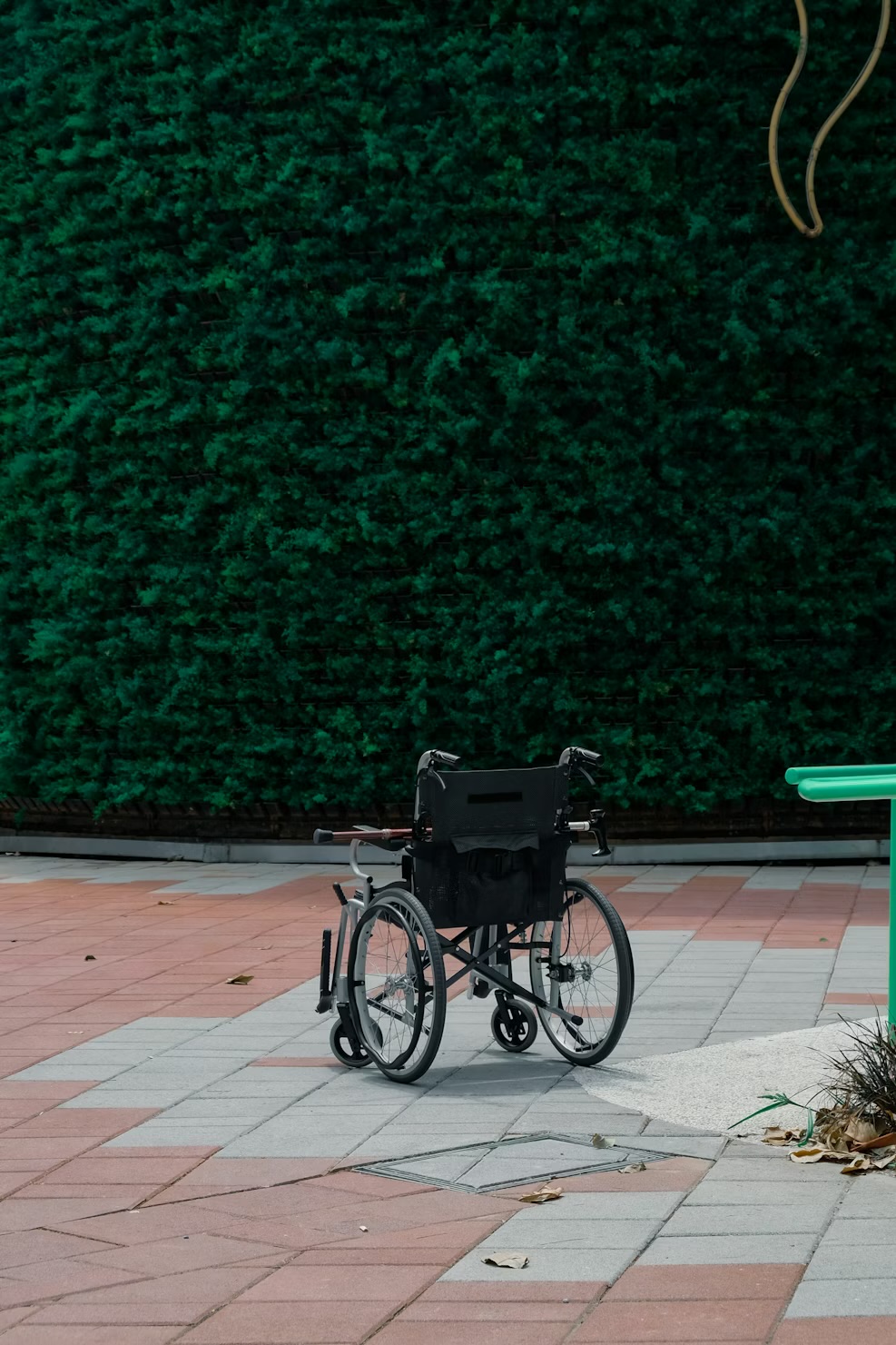
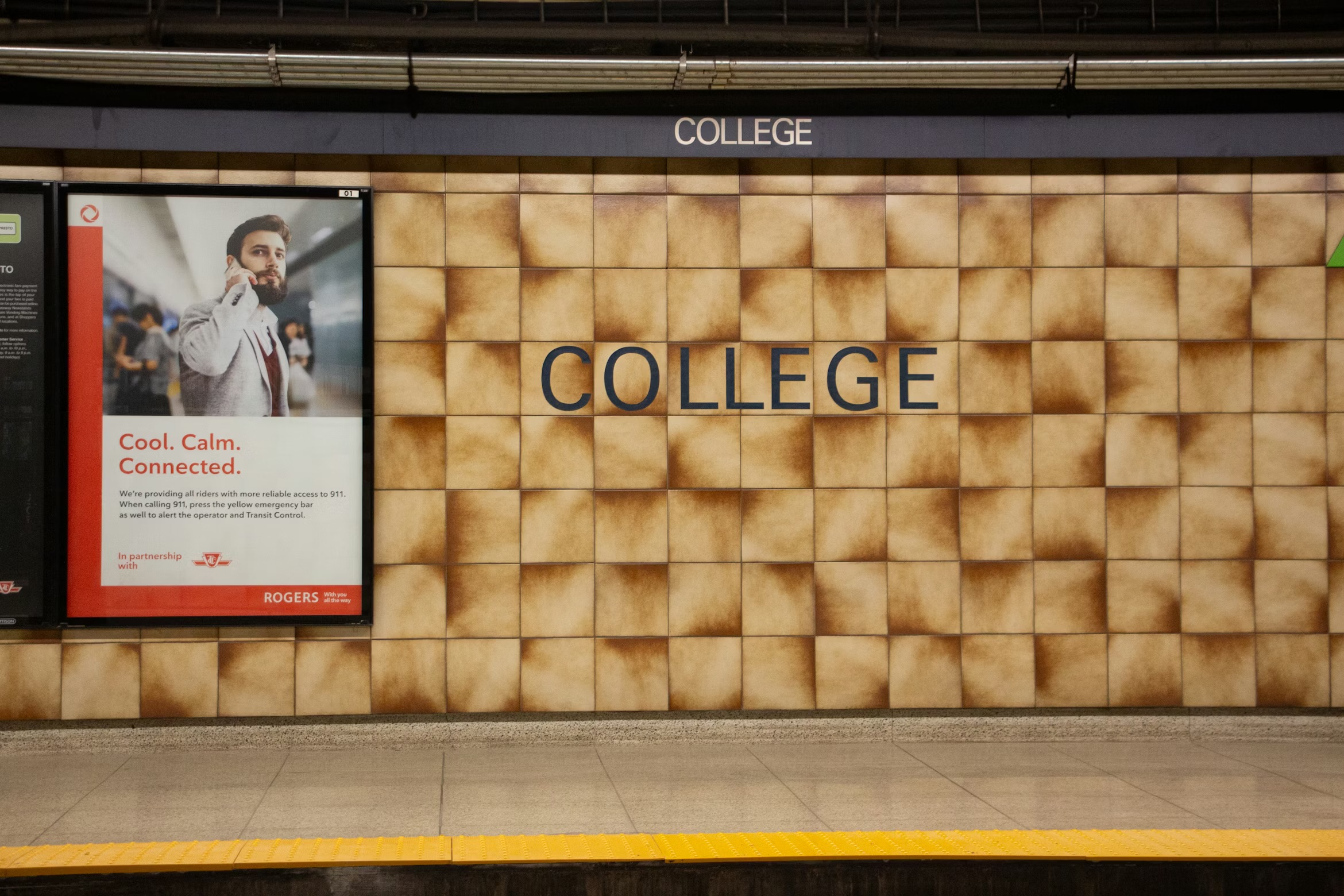

Navigating my way to my first in-person class since returning to college, I tried to find hidden pathways through the school, only to find myself lost in an unfamiliar area. The underground map on my phone failed to offer accurate directions, leaving me wandering aimlessly.
在返校後踏進第一堂面授課的途中,我試圖穿過校園內的隱蔽通道,卻不知不覺迷失在陌生的區域。手機上的地底路線圖亦沒有提供準確指引,只讓我漫無目的地兜轉。
As I was walking back to above ground, I noticed a figure with visual impairment who appeared to be in need of assistance. Without hesitation, I approached him and offered my help. He explained that he was searching for a sandwich shop, but was unable to find it. Though I was equally unfamiliar with the area, I sought aid from passersby to guide us to our destination. As we walked side by side, he placed his hand on my shoulder, trusting me to lead the way. After walking two shops away, we stumbled upon the sandwich shop. Before we said bye to each other, he mentioned that he usually knew its location. However, the powerful Toronto wind had whisked away its enticing aroma, leaving him disoriented and lost.
當我往地面方向走回去時,我留意到一位視障人士看似需要協助。我毫不猶豫地上前,主動提出幫忙。他說他正在找一間三文治店,但一直無法找到。雖然我對這一帶亦同樣陌生,但我仍向路人詢問協助,引領我們一起前往目的地。當我們並肩而行時,他把手放在我肩上,信任我會帶他走對方向。走過兩間店舖後,我們終於找到那間三文治店。在道別前,他提到自己平時十分清楚店的位置,只是這天多倫多的強風吹散了它平日熟悉的香氣,令他一時分不清方向。
This encounter served as a poignant reminder of how often we take our senses for granted. Individuals with visual impairments rely on touch, hearing, and smell to navigate their surroundings. Even the slightest change in weather can disrupt their ability to find their way. As my first days of school unfolded, I held onto this experience as a profound lesson. It taught me to stay focused amidst the distractions and turbulence of the classroom. I learned to continue trust my instincts, my inner compass, and the serendipitous encounters with the right people who would guide me when I needed it most, just as I had guided the man through the wild wind and how he guided me to continue staying grounded and centered during the turbulence in life.
這次相遇深刻提醒了我:我們有多常把自己的感官視為理所當然。視障人士依靠觸覺、聽覺與嗅覺來辨識方向,而天氣的微小變化都足以打亂他們的導航能力。在開學的最初日子裏,我把這段經歷視為重要的課題。它提醒我在課室的混亂及變動中保持專注,也教會我繼續信任直覺、內在的方向感,以及那些為我指路的人會恰好在對的時刻出現。正如我曾在狂風中給那位先生引路,而他也提醒了我在生命的風暴裏仍要保持穩定心態。
How often do we extend a helping hand or a comforting shoulder to those in need? Yet, how often do we pause and reflect on the invaluable lessons these people and life events have imparted upon us? There are always two sides to a coin. In our lives as neurodiverse individuals, parents, or practitioners, we may often find ourselves lost and unable to perceive the goodness and assistance around us. However, if we put our trust in the journey and allow ourselves to be led by our "life shoulder," we can encounter the most remarkable teachers and guides who redirect us towards our destined path in the wild wind. They may be our children, our clients, our peers, or even seemingly "random" individuals who appear at precisely the right moment. In return, we also become teachers and guides, sharing our innate gifts with others.
我們有多常向需要的人伸出援手、給予依靠?又有多常停下來細想,這些人與那些生命事件為我們帶來了多麼寶貴的課堂?凡事總有兩面。在我們作為多元人士、父母或醫療、養生從業者的旅程中,我們時常會迷失方向,忽略了身邊的善意與支援。然而,只要我們願意信任這趟旅途,讓自己被「生命之肩」引領,我們便有機會遇上最非凡的老師與指引者,在狂風中帶我們回到屬於自己的軌道。他們可能是孩子、客戶、同行,甚至是那些看似「偶然」卻在最恰當時刻出現的人。而在這段互動之中,我們亦同樣成為他人的老師,把自身天生的禮物分享出去。
Just like gold, which is rare, undergoes immense pressure, wind, storms, and heat before transforming into the brilliant treasure we see, or we better remember the wisdom of a Chinese proverb: "We must not allow others to pull our nose and drag us astray from our true path."
黃金之所以能成為我們眼中的璀璨珍寶,是因為它數量少,亦承受了巨大的壓力、風、暴雨與烈火。我們或許也該記得一則中國智慧:「不可任由別人牽着鼻子走而偏離自己的正道」。
Have you recently been blown away or pulled to elsewhere that makes you feel overwhelmed and uncentered?
最近的你,有否曾被風吹得失去方向,或被拉往其他地方,令你感到不安或失去中心?
Photo : Unsplash | Unsplash Stéphane Hermellin
Disclaimer: This publishing is made for informational and educational purposes only. It is not intended to be medical and life advice, nor an exhaustive list of specific treatment protocols. The approach and perspective is only based upon the content contributor’s knowledge, research, or clinical experience. The content creators, authors, editors, reviewers, contributors, and publishers cannot be held responsible for the accuracy or continued accuracy of the information or for any consequences in the form of liability, loss, injury, or damage incurred as a result of the use and application of any of the information, either directly or indirectly. Each plan must be individually tailored with the guidance and clinical judgment of your medical or healthcare practitioner or related advisor.
免責聲明:內容僅供資訊及教育用途,並非醫療或專業建議,亦非特定治療方案。本文所提供的方法與觀點,僅基於內容撰稿者的知識、研究或臨床經驗。內容創作者、作者、編輯、審閱者、貢獻者及出版方,對於資訊的準確性或持續準確性,或因使用及應用該等資訊而直接或間接導致的任何責任、損失、傷害或損害,概不承擔任何後果責任。每一項療法或計劃必須在您的醫療或健康護理、或相關專業人員的指導及臨床判斷下,作個別化的調整而定。