Above & Beyond Medicine Cabinet - Paving Revolutionary Paradigm
In 2020, Green Revolution doesn’t only refer to veganism or watching our carbon footprint. It also points to a long term fight for cannabis legalization on a global scale. Paving this road has come a long way, from being part of Traditional Chinese Medicine in ancient times to sliding under authoritarianism in the modern days. Though this phenomenon seems to require myriad energy, we are convinced that by arming ourselves with the right knowledge and tools, a paradigm shift will eventually be co-created.
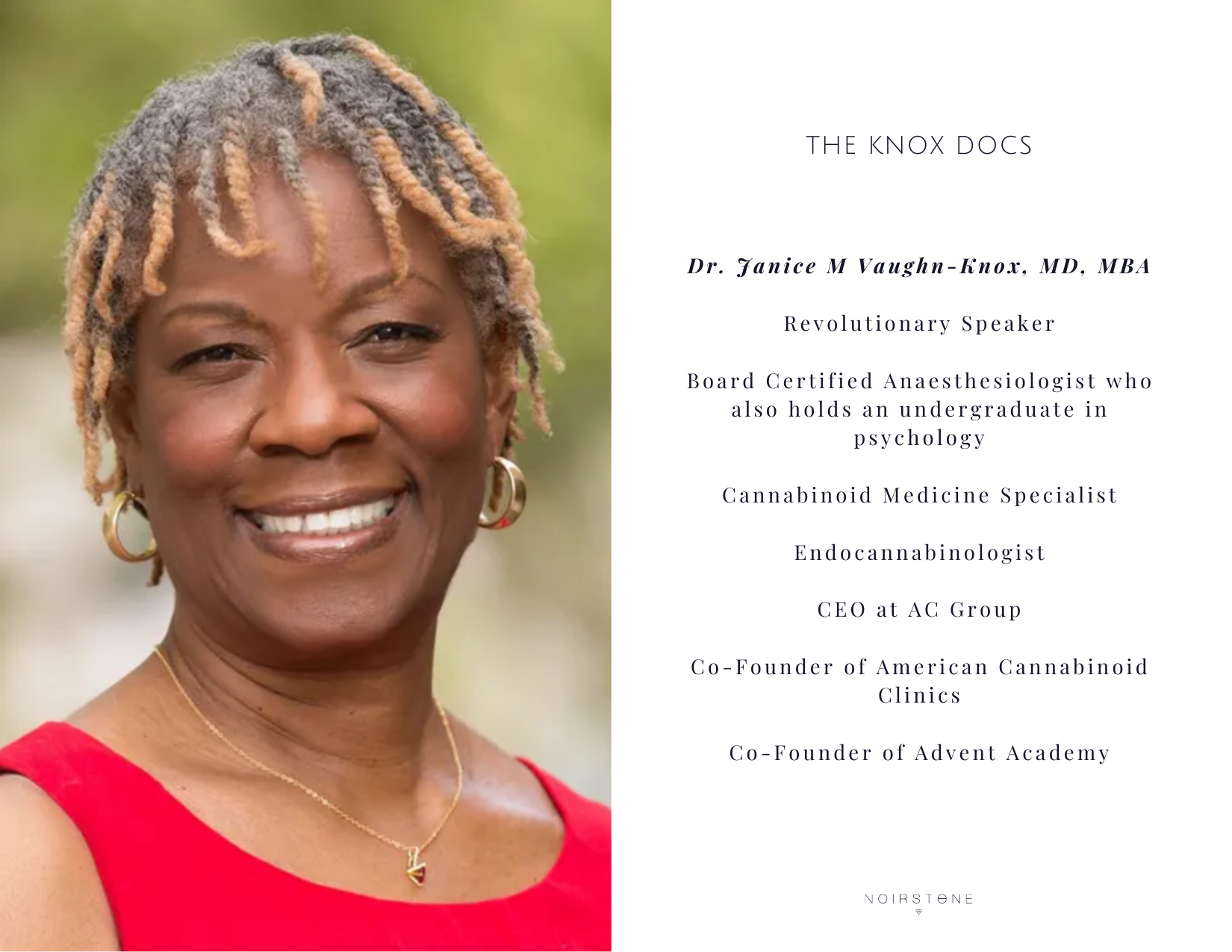
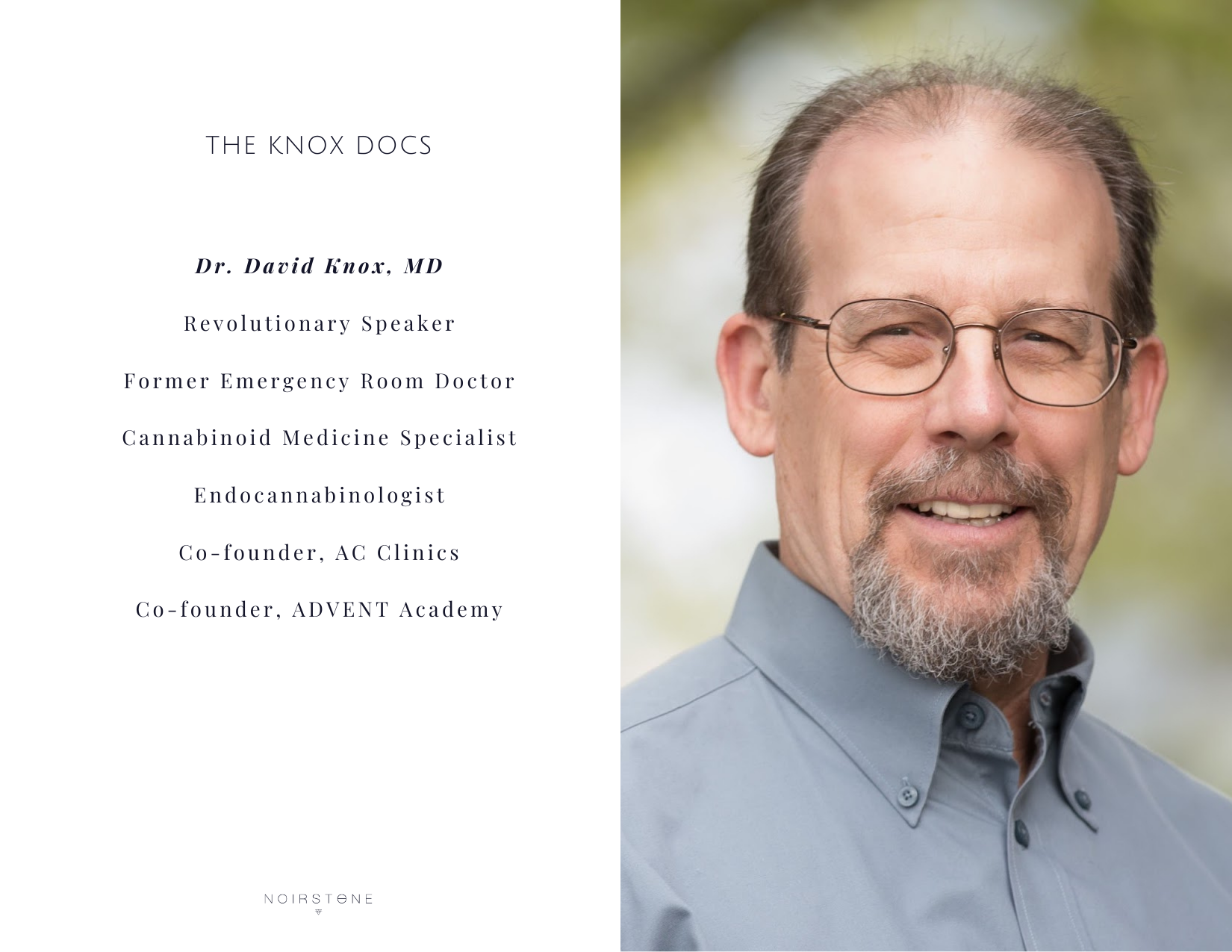
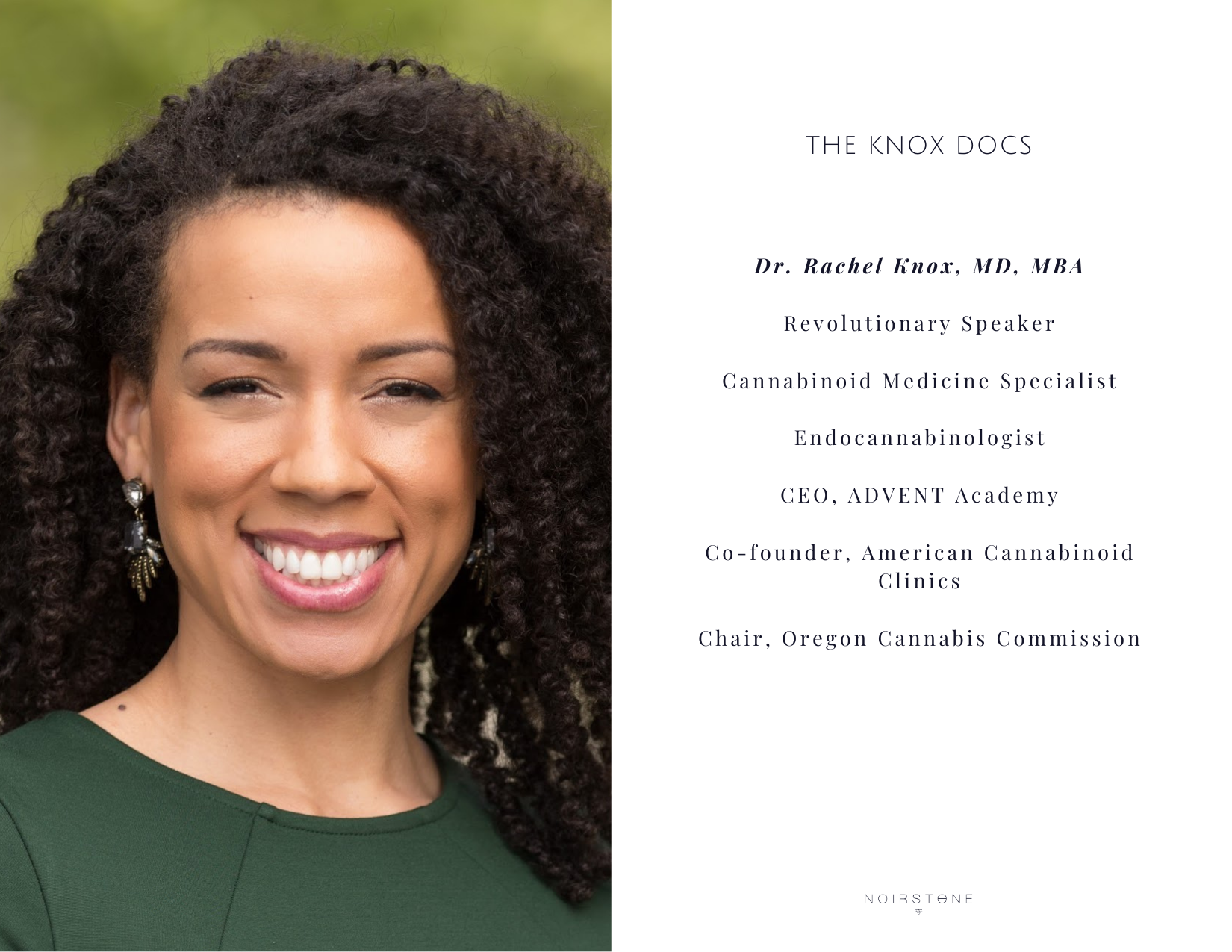
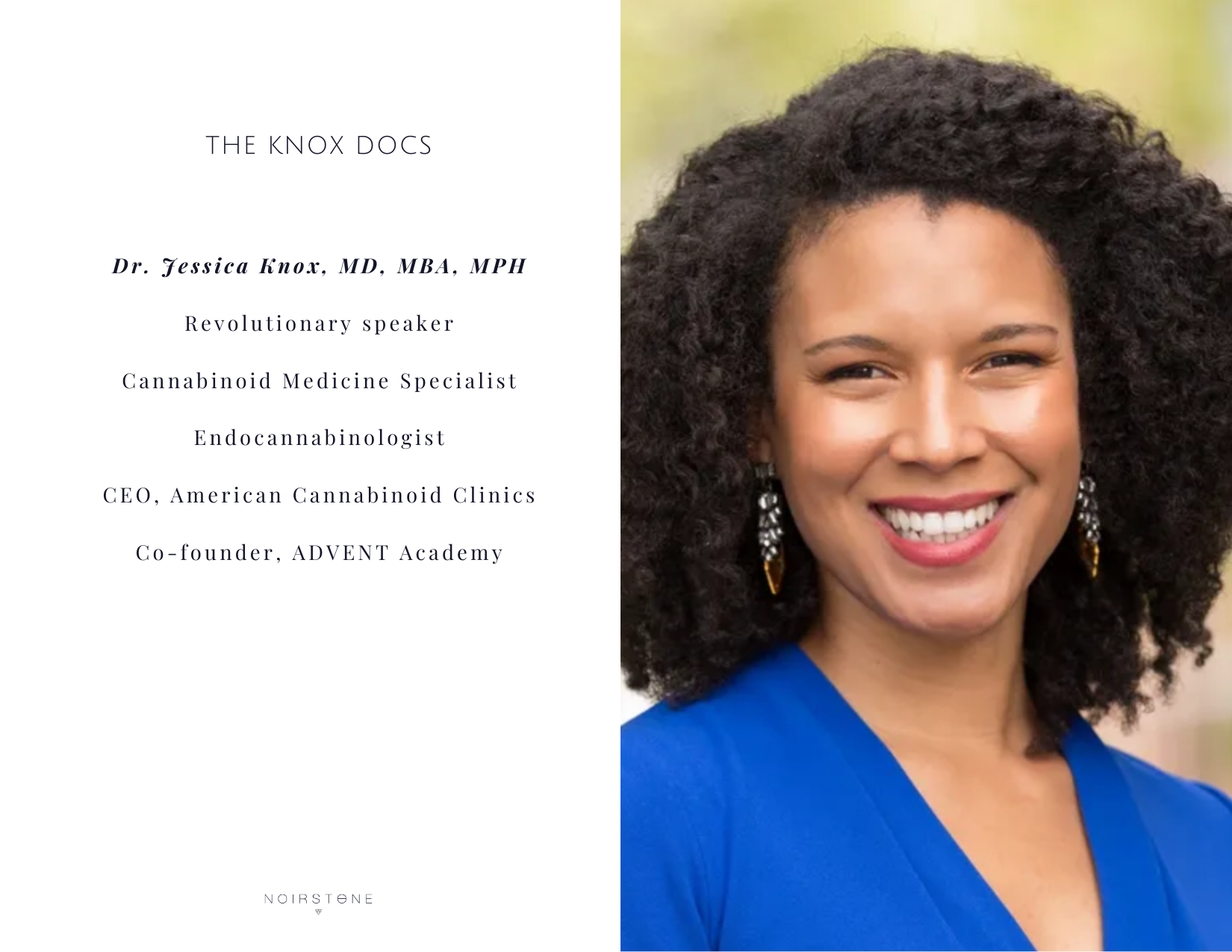
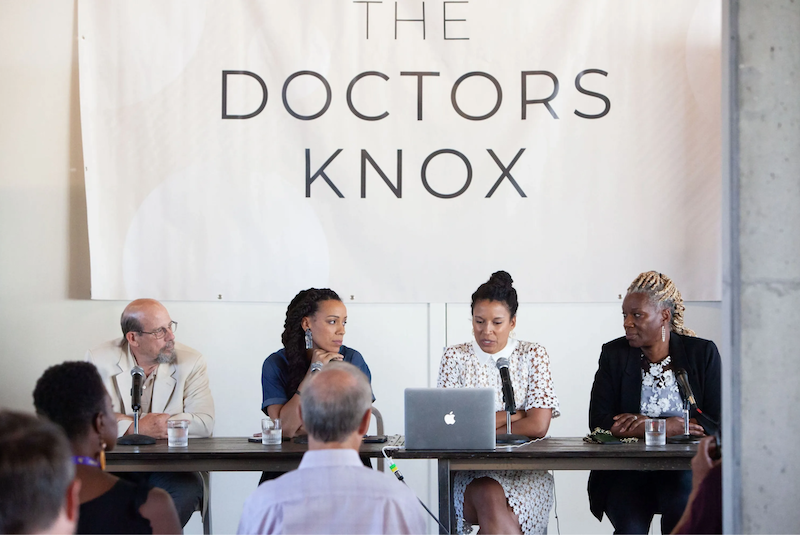
In this issue, we bring you The Insights from a cutting-edge family of doctors - The Knox Docs, also known as Endocannabinologists who help patients incorporate cannabis for medical use adequately. Their fortitude leads them as one of the known innovative pioneers to bring hippie counterculture to the mainstream medical table, to demystify the verity of this versatile plant to medical colleagues as well as the general public around the world. 在本期中,我們為大家帶來一個走在前沿的醫生家族 —— Knox醫生家庭(The Knox Docs)的深度見解。他們被稱為「內源性大麻素學家」(Endocannabinologists),致力幫助病人妥善將大麻納入醫療用途。他們的堅毅精神,使他們成為知名創新先鋒之一,將嬉皮反主流文化帶到主流醫學討論之中,向醫界同僚以及全球公眾解開這種多功能植物的真相。
The Knox Docs are here to recalibrate our lens from sick care to health care by sharing how inextricably medicine and cannabis are now braided together. They share the safety of cannabis use for pregnant ladies, parents of kids who have special needs, behind the scenes of the cannabis industry, cannabis substitution if inaccessible, and their healing lifestyle choices as well as perspectives on living that keep them stay vibrant. Knox醫生家庭致力於幫助我們將視野從「照護疾病」重新調整到「照護健康」,分享醫學與大麻如今如何密不可分。他們探討孕婦使用大麻的安全性、特殊需要兒童家長的關注點、大麻產業幕後情況、在無法取得大麻時的替代方式,以及他們自身的療癒生活方式與讓他們保持活力盎然的生活觀點。
(Spoiler alert : Baby Shark is mentioned on the list). (小劇透:文中甚至提到《Baby Shark》。)
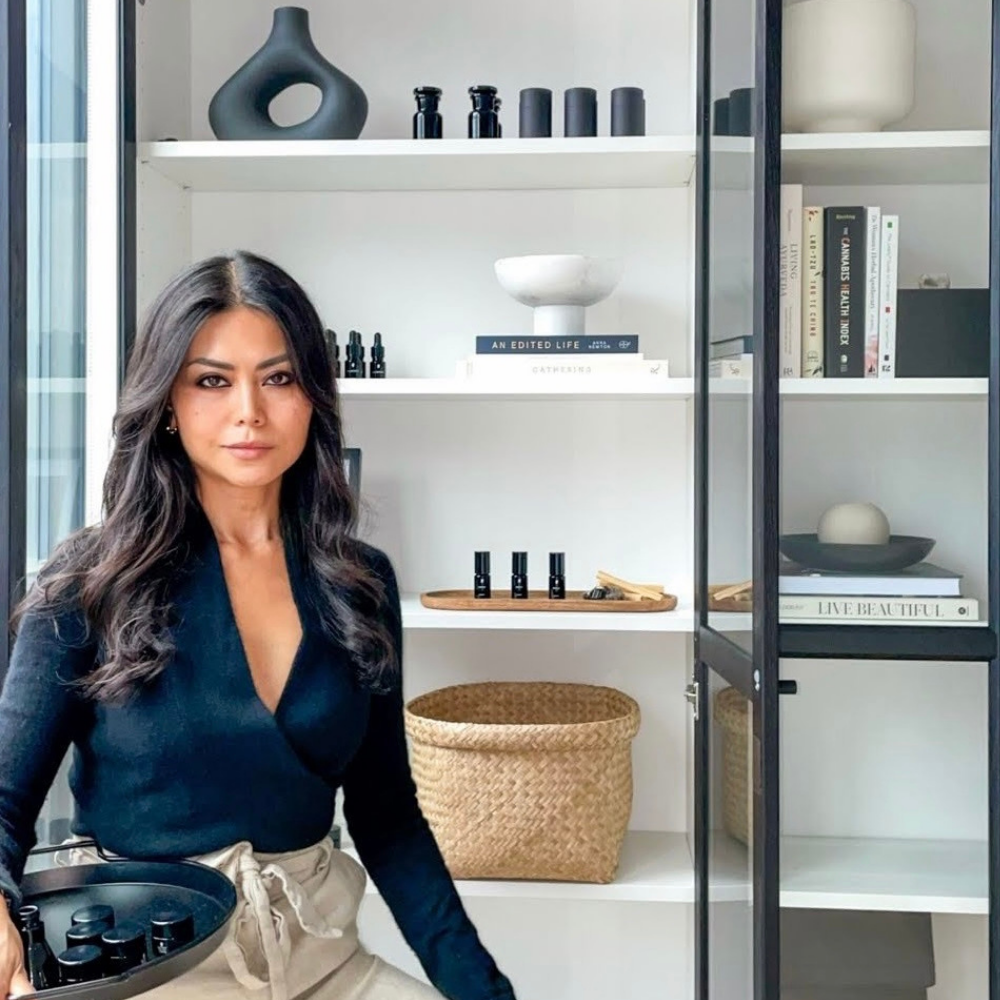
NL | Nicole Lui @ NOIRSTONE NL|NOIRSTONE 的 Nicole Lui
DK | Dr. Knox Family DK|Knox 醫生家庭
| P A R T 1 : C A N N A B I S L I V I N G & S A F E T Y | 第一部分:大麻生活與安全性
NL | As a family of conventional medical doctors, what was the one thing that brought you into the cannabis space? NL|作為一個傳統醫學醫生家庭,是甚麼契機帶你們進入大麻領域? DK | Individually and collectively, we knew there was a better way to promote health and wellness amongst patients than our conventional medical system offers. The conventional medical system has its place - namely, acute care, surgical care, and even some preventive care - but over the past century, it has invaded the realm of healthcare, which it doesn’t do well at all. Even though most of us have been trained to believe that the medical system should make us healthy, that is not what it’s designed to do. DK|無論是個人還是集體因素,我們都深知有一種比現行傳統醫療體系更好的方式,可以促進病人的健康質素。傳統醫學體系自有其位置,例如急症護理、外科手術,甚至某些預防護理,但在過去一個世紀,它卻侵入了「照護健康」的範疇,而這卻並非它擅長之處。即使大部分人受過訓練,亦相信醫療體系應該令我們健康,但事實上,它並非為此而設計。 Health is predicated on good nutrition, a clean and safe environment, fulfilling relationships with self and others, a connection to nature, and a number of other things that the medical system does not and cannot deliver. For us, cannabis is a bridge to health - not just another medical tool in the bag, but a gateway to understanding the endocannabinoid system and all it can teach us about being healthy and well. 健康建立在良好營養、清潔、安全的環境、與自己及他人之間的充實關係、與大自然的連結,以及許多醫療體系無法提供的要素之上。對我們而言,大麻是通向健康的橋樑,不僅僅是醫療工具袋中的另一項工具,而是理解內源性大麻素系統,以及它是教導我們如何提高健康的入口。
NL | Could you share how cannabis benefits people who face Autoimmune, Mental, and Neurocognitive challenges on a daily basis? NL | 您能否分享大麻如何對每日面對自體免疫、心理及神經認知挑戰的人士帶來益處? DK | There is so much to unpack here! But in short, cannabis works on the endocannabinoid system and endocannabinoidome (the network of ligands and receptors beyond the ECS that interacts with the ECS and cannabinoids) to promote balance in the body. We have a lot of information regarding the anti-inflammatory effects of THC and CBD, both of which work to quell hyperimmune responses and otherwise balance the immune system. DK | 這裡的內容會是非常豐富,但簡單言之,大麻作用於內源性大麻素系統(Endocannabinoid System, ECS)及內源性大麻素體系(endocannabinoidome,即超越ECS的配體與受體網絡,與ECS及大麻素互動),以促進身體的平衡。我們擁有大量關於 THC 與 CBD 的抗發炎效果的資訊,這兩者皆能抑制過度免疫反應,並協助免疫系統維持平衡。 THC is a suitable replacement for our endocannabinoid anandamide, “the bliss molecule,” and CBD is known to bind serotonin receptors - receptors, by the way, that commonly pair up (dimerize) with cannabinoid receptors. And both THC and CBD are neuroprotective and antioxidant (as recognized by the US government in their patent on cannabinoids). In a world that is constantly assaulting the endocannabinoid system and our general health, cannabis offers myriad benefits in the way of toning our ECS to adapt and respond more effectively to protect and promote our health. THC 可作為內源性大麻素「愉悅分子」(anandamide)的替代物,而 CBD 則被認為能結合血清素受體,順帶一提,血清素受體通常會與大麻素受體形成二聚體(dimerize)。此外,THC 與 CBD 均具神經保護及抗氧化特性(此點亦被美國政府在其大麻素專利中認可)。在一個不斷衝擊內源性大麻素系統及整體健康的世界中,大麻能以多種方式調節 ECS,使其能更有效地適應與應對,從而保護並促進健康。
NL | Is it safe for women to incorporate cannabis pre, during, and post pregnancy? NL | 女性在孕前、孕期及產後使用大麻是否安全? DK | We believe it is possible for women to safely use cannabis around pregnancy, but informed and intentional use is essential. Though government agencies and medical societies will frame it otherwise, we have no evidence that cannabis use is harmful to a pregnancy or developing fetus. DK | 我們認為女性在孕前、孕期及產後適度使用大麻是可行的,但前提是必須基於知情且有意識地使用。儘管政府機構及醫學團體可能持相反立場,但目前並無證據顯示大麻使用對孕婦或胎兒有害。Indeed, women of certain cultures have used cannabis regularly throughout their childbearing years and pregnancies for centuries without ill effect on their offspring. That said, it is still advisable to heed certain precautions. The ECS is always finely tuned, and this is particularly true when it comes to conception. 實際上,某些文化中的女性在生育年齡及孕期長期使用大麻已有數世紀之久,且對子女未見不良影響。儘管如此,仍建議採取一定的預防措施。內源性大麻素系統(ECS)始終一直精密地維持平衡,這在受孕過程中特別重要。
Anandamide levels must be low for successful conception, so for women struggling to become pregnant, it might be advisable to take a break from THC-dominant products or from substantial THC dosing before and while trying to conceive. Like tobacco smoking, cannabis smoking has been associated with low birth weight, so a non-inhaled method of cannabis use is advisable for pregnant women. Cannabinoids can cross the placenta and also enter breast milk but research has yet to determine what effects this might have on the fetus or nursing infant. 為了順利受孕,體內 anandamide(愉悅分子)水平必須保持偏低,因此對於正在努力受孕的女性,建議在嘗試受孕前及期間暫停使用 THC 為主的大麻產品或高劑量 THC。與吸菸類似,大麻吸食亦可能與低出生體重相關,因此孕婦應採用非吸入式的大麻使用方式。大麻素可以穿越胎盤,並進入母乳,但目前研究尚未確定其對胎兒或哺乳嬰兒的影響。
DK | At the end of the day, pregnant and postpartum women often experience a number of uncomfortable or troubling symptoms, including but not limited to nausea, pain, and anxiety or low/depressed mood. Many women are offered, and use, prescription pharmaceuticals to manage these symptoms with varying levels of effectiveness, side effects, and risk to themselves and their babies. Comparatively, we feel the appropriate use of cannabis is a much safer alternative for mothers to manage these symptoms. DK | 總而言之,孕婦及產後女性常會經歷多種不適或困擾症狀,包括但不限於噁心、疼痛,以及焦慮或情緒低落。許多女性會使用醫師處方藥物來控制這些症狀,但效果、藥物副作用及對母嬰的風險各不相同。相比之下,我們認為適度使用大麻對母親而言,是一種更安全的方式來管理這些症狀。
NL | Any experience of seeing adverse symptoms from cannabis patients who have chronic pain, mental, and / or neurocognitive challenges? NL | 對於患有慢性疼痛、心理及/或神經認知挑戰的患者,您是否曾觀察到大麻使用引發的不良症狀? DK | We haven’t witnessed any true adverse symptoms in our patients using cannabis. What we do see is either lack of effect or transient unwanted effects of THC, both of which simply reflect a cannabis regimen that isn’t yet optimized. Especially with CBD, folks tend to underdose, perhaps never reaching the dose that would be effective for them before deciding CBD “doesn’t work” and giving up. On the other hand, having too much THC may cause unwanted effects like anxiety, paranoia, palpitations, dizziness, etc. Fortunately, these effects last only as long as the duration of activity of the method used to consume THC (e.g., up to 4 hours if inhaled or 8 hours if ingested). DK | 在我們的臨床觀察中,使用大麻的患者並未出現真正的不良症狀。我們所見的情況通常是療效不足,或 THC 引起的短暫不適,這些現象僅反映患者的大麻使用方案尚未達到最佳化。尤其是 CBD,患者往往劑量不足,可能未達到對其有效的用量,就輕易判定 CBD「無效」而放棄。另一方面,若 THC 使用過量,可能會引發不良反應,如焦慮、偏執、心悸、頭暈等。這些不良反應的持續時間僅與 THC 的使用方式及作用時長相關,例如吸入式可持續約 4 小時,口服可達 8 小時。 We prefer to talk about “time and titration” rather than “trial and error,” but however you put it, most patients must make a sustained effort (often weeks to months) to find the optimum chemical profile and dosing for their needs. Informed use guided by a knowledgeable cannabis clinician may help patients avoid some of the “trial and error” pitfalls and reduce the “time and titration” period. 我們傾向使用「時間與劑量調整」來描述這個過程,而非「反覆嘗試」,但無論如何表述,多數患者仍需持續努力(通常需數週至數月)才能找到最適合其需求的化學成分組合與劑量。在具備知識的大麻臨床醫師指導下進行知情使用,可幫助患者避免部分「反覆嘗試」的陷阱,並縮短「時間與劑量調整」的周期。
NL | Cannabis remains mysterious or has been labeled as a bad influencer for a long time. As a result, a lot of parents are hesitant to try it with their children who are on spectrums. What is the first step that they can take to help alleviate some of these fears? NL | 長期以來,大麻仍然充滿神秘色彩,或被貼上負面標籤。因此,許多家長對於讓處於多元光譜的孩子使用大麻心存顧慮。他們可以採取的第一步措施是什麼,以幫助緩解這些恐懼? DK | The first step to alleviate fear or stigma surrounding cannabis is to learn about the history of cannabis and the science of the endocannabinoid system. Most people begin to think differently about cannabis when they learn it was one of the most commonly-used medicines across many civilizations throughout history, including by American physicians until the early 1900s. People think about the plant differently when they understand it was demonized and outlawed not due to medical or scientific concerns, but due to the political and economic interests of a few. Another key piece of historical context is that scientific study of cannabis in the United States has been functionally prohibited since the mid-1900s unless it was research designed to identify the negative effects of cannabis. Even so, much American research has inadvertently revealed that cannabis isn’t nearly as harmful as popularly claimed. DK | 緩解大麻相關恐懼或污名化的第一步,是了解大麻的歷史以及內源性大麻素系統的科學原理。大多數人在得知大麻曾是歷史上多個文明中最常使用的藥物之一,包括美國醫師在 20 世紀初之前的臨床使用時,會對大麻有全新的認識。當人們了解到大麻之所以被妖魔化並列為非法,並非出於醫學或科學上的考量,而是少數人的政治與經濟利益驅動時,對這種植物的看法便會有所改變。另一個重要的歷史背景是自 20 世紀中期以來,美國對大麻的科學研究實際上受到限制,除非研究旨在揭示大麻的負面效應。即便如此,許多美國研究無意中顯示,大麻並不像普遍傳言的那般有害。 If the history of cannabis isn’t compelling enough, the science of the endocannabinoid system should be. When someone learns of the existence and even just the basic function of the endocannabinoid system, it becomes self-evident that cannabis is medicine. Looking specifically at the Autism Spectrum Disorders, research suggests these are clinical endocannabinoid deficiencies and therefore therapeutically amenable to phytocannabinoid (cannabis) supplementation. 若大麻的歷史仍不足以說服人,內源性大麻素系統的科學則更具說服力。當人們了解該系統的存在,甚至僅了解其基本功能時,便不難理解大麻具有藥用價值。針對自閉症光譜障礙的研究表明,這些情況可能與臨床上的內源性大麻素缺乏有關,因此可透過植物性大麻素(phytocannabinoid,大麻)補充進行治療。 Parents should also feel reassured that cannabis is a medicine with an unparalleled safety profile, devoid of the scary laundry list of adverse effects that accompanies most(all?) neuropsychiatric pharmaceuticals. And when used medicinally, we have no evidence whatsoever that cannabis harms the developing brain. 家長亦可放心,大麻是一種具有無可比擬安全性特徵的藥物,不會像大多數(或所有)神經精神科處方藥那樣附帶令人畏懼的副作用清單。而在藥用情境下,我們亦無任何證據顯示大麻會對發育中的大腦造成傷害。
NL | Let’s go behind the scenes of cannabis. Pharmaceuticals have recently jumped on the cannabis wagon. How do you see the impacts that have been made (or will be made) in the industry and the consumer world? NL | 讓我們來探討大麻的幕後。近年來,製藥公司紛紛加入大麻行列。您如何看待這些對產業及消費者世界所造成的影響(或將造成的影響)? DK | Over the past 100 years, we’ve seen the ins and outs of pharma’s playbook. The pharmaceutical industry is interested in isolating single molecules that can be patented and highly controlled, dominating the market to maximize their profit for decades on end. The problem with this model is it doesn’t work - at least not for patients, and definitely not for cannabis. When it comes to cannabis, we know conclusively the whole plant is superior in efficacy, safety, and tolerability compared to isolated cannabinoids. But whole plant medicine isn’t a clean fit for pharma’s model of chemical isolates available only in a handful of discrete doses - cannabis dosing is more nuanced (each plant contains 400+ pharmacologically active compounds) and very personalized, and the plant comes in countless chemical varieties, all of which have potential therapeutic application. DK | 在過去一百年間,我們已洞悉製藥業的操作模式。製藥公司關注的是如何分離可申請專利並高度控制的單一分子,以主導市場並在數十年間最大化利潤。然而,這種模式的問題在於它對患者無效,至少對患者無效,對大麻更是如此。針對大麻,我們已明確知道,整株植物在療效、安全性及耐受性上都優於分離的大麻素。然而,整株植物藥物並不適合製藥公司的化學單體模式:單一劑量、有限劑量供應。因為大麻的劑量更為細緻(每株植物含有 400 多種具有藥理活性的化合物),且極具個人化特徵,並且植物具有無數天然化學品種,每種均具潛在療效。 Even so, we know pharma is waiting in the wings for federal cannabis legalization, or at least descheduling. The open question is whether their market of cannabinoid isolates, which are more likely than whole plant cannabis products to be covered by insurance, will undermine the whole plant market, which is likely to remain out-of-pocket. We hope not. That’s why we’re in an epic race right now to educate our healthcare colleagues, the general public, and lawmakers about the superiority of whole plant medicine and the importance of creating and maintaining a robust and accessible whole plant market. 即便如此,我們清楚製藥公司正伺機等待聯邦層級的大麻合法化,或至少將其從管制清單中移除。未來的關鍵問題是,他們的分離大麻素產品市場,較整株植物產品更有可能被保險覆蓋,是否會削弱整株植物市場,而後者極有可能仍需自費購買。我們希望不會如此。因此,我們正處於一場史詩般的競賽中,努力教育醫療同業、公眾及立法者,說明整株植物藥物的優越性,以及建立和維持一個強大且可取得的整株植物市場的重要性。
NL | When we talk about the plant, not only where it’s grown, but the quality of soil, terpenes profile, consistency, or price range, we tend to leave out that a lot of research on cannabis relies on studies from Israel or exclude the history of cannabis farming with low cost / unpaid labor. Can you give us a little more insight into the cannabis industry that consumers or patients should be aware of? NL | 當我們談論大麻植物時,不僅涉及其種植地點,還包括土壤品質、萜烯組成、穩定性或價格範圍,但我們往往忽略了:許多關於大麻的研究依賴以色列的研究,或未提及大麻種植歷史中低成本/無償勞動的情況。您能否提供一些消費者或患者應該了解的產業內幕? DK | There is so much to say here but for the sake of time and space, we’ll limit ourselves to a couple issues: (1) a PSA about hemp CBD, and (2) a call to support equity in and through cannabis. DK | 關於這個議題可說的內容非常多,但為了節省篇幅,我們將集中於兩個重點:(1)關於工業大麻 CBD 的公告,(2)呼籲支持大麻產業內的公平與正義。 Though made federally legal by the 2018 Farm Bill, the hemp CBD market remains unregulated, which means the veracity, quality, and safety of CBD products available online or on local store shelves are not guaranteed. When shopping for hemp CBD, look for products that come with certificates of analysis (COAs) to verify the products’ contents. Also look for products that are made from US-grown, organic (ideally USDA certified) hemp and free from fillers and junk ingredients. 雖然 2018 年《農業法案》使其在聯邦層面合法,但工業大麻 CBD 市場仍未受監管,這意味著線上或當地商店販售的 CBD 產品,其真實性、品質與安全性並無保障。選購工業大麻 CBD 時,應尋找附有分析證書(Certificate of Analysis, COA)的產品,以驗證其成分。同時,也應選擇美國種植、有機(理想情況下通過 USDA 認證)的大麻製品,且不含填充劑或劣質成分。 On a much different note... Cannabis has long been (and still is) used as a weapon against black and brown people, families, and communities in the United States. And now, with the spreading legalization of cannabis, the very people most targeted and harmed by the war on drugs are also the most likely to be excluded from the boons of the legal cannabis industry, both medically and economically. 另一方面……大麻長期以來(至今仍然如此)在美國被用作對黑人與棕色人種、家庭及社區的打壓工具。而如今,隨著大麻合法化進程的推進,那些在毒品戰爭中最受打擊和傷害的群體,反而最有可能被排除在合法大麻產業的醫療及經濟利益之外。 As many of us casually reach for CBD or cannabis to help us feel better, have fun, or unwind, we must not forget that not everyone is yet able to reach for these substances so casually. We must not overlook the fact that many CBD and cannabis companies are following the lead of the big industries that preceded this one, largely boxing out minorities and women from ownership, leadership, and meaningful participation. 當我們許多人隨手使用 CBD 或大麻以改善身心、娛樂或放鬆時,不能忘記並非所有人都能如此輕鬆取得這些物質。我們也不能忽視這一事實:許多 CBD 與大麻公司正跟隨前期大型產業的模式,大量排除少數族裔與女性在擁有權、領導力及實質參與上的機會。 If cannabis is an essential wellness commodity as most legal states agreed it was at the outset of COVID-19 stay-at-home orders, it means that we all should have equitable and affordable access to it. If any one is to benefit economically from what promises to be a tens of billions of dollars industry(at least), the first to do so should be the communities most blighted by the war on drugs. As consumers and patients, always remember that we have the purchasing power to hold the hemp and cannabis industry to the standards we all deserve. Let’s use our money wisely. 如果大麻是一種基本的健康資源(如多數合法州在 COVID-19 居家令初期所認可的),那麼所有人都應享有公平且可負擔的取得途徑。如果任何人要從這個承諾價值數百億美元(至少)的產業中獲益,那麼首當其衝應是那些在毒品戰爭中受害最深的社區。作為消費者與患者,務必記得,我們擁有購買力,可以要求工業大麻及大麻產業達到我們應得的標準。讓我們明智地使用金錢。
We must not overlook the fact that many CBD and cannabis companies are following the lead of the big industries that preceded this one, largely boxing out minorities and women from ownership, leadership, and meaningful participation. 我們不能忽視這一點:許多 CBD 與大麻公司正在沿襲前期大型產業的模式,大量排擠少數族裔與女性在擁有權、領導力及實質參與上的機會。
NL | There are a lot of families who are unable to access medical cannabis or hemp CBD globally. Are there any methods or alternatives that they can incorporate in order to support their endocannabinoid system holistically? NL | 全球仍有許多家庭無法取得醫用大麻或工業大麻 CBD。他們是否有方法或替代方案,以整體性地支持內源性大麻素系統? DK | Absolutely, and this is one of our favorite things about the ECS! Cannabis is just one tool we can use to support the ECS. Our first and most important tool is nutrition. As Dr.Rachel puts it, we wouldn’t put diesel in our gasoline-powered car and expect it to run smoothly, so why would we put fake, processed foods in our natural, whole bodies and expect them to run smoothly? The food we eat provides the building blocks for a healthy ECS, including the endocannabinoids themselves, so it’s critical we’re feeding our bodies real, whole, natural foods. DK | 絕對可以,這也是我們對內源性大麻素系統(ECS)最喜愛的一點!大麻只是我們用來支持 ECS 的工具之一。我們首要且最重要的工具是營養。正如 Dr. Rachel 所說,我們不會在汽油車中加柴油卻期待它順暢運作,那麼為何要將人造成、加工的食物放入我們天然、完整的身體,卻期望身體能順暢運作呢?我們所攝取的食物提供了健康 ECS 的基石,包括內源性大麻素本身,因此務必確保我們攝取的是真實、完整且天然的食物。 We also love to teach people about cannabimimetics - these are substances and practices that mimic and stimulate the healthy function of the ECS. Cannabimimetic substances include herbs and spices, many of which are already in folks’ cabinets and refrigerators - things like black pepper (which contains the terpene-cannabinoid beta-caryophyllene), ginger, turmeric, basil, lavender, etc. Essential oils, which are the most concentrated sources of terpenes available, are another of our favorite cannabimimetic substances and can be diffused, used topically, and in some cases ingested (just make sure to follow usage instructions for safe topical or internal use). Cannabimimetic practices include activities such as deep breathing, meditation, grounding, yoga, moderate exercise, acupuncture, and massage. Even simple feel-good activities like smiling and hugging have been shown to increase anandamide levels. Incorporating a variety of these cannabimimetic substances and practices into your daily routine goes a long way toward restoring and maintaining ECS health, with or without cannabis. 我們也喜愛教授關於「模擬大麻素效應物質(cannabimimetics)」的知識——這些是能模擬並促進 ECS 健康運作的物質與實踐方式。模擬大麻素效應的物質包括各種草本及香料,其中許多已存在於家家戶戶的廚櫃與冰箱中,例如黑胡椒(含萜烯-大麻素 β-石竹烯)、薑、薑黃、羅勒、薰衣草等。精油則是萜烯最濃縮的來源,也是我們喜愛的模擬大麻素物質之一,可用於擴香、外用,甚至在某些情況下內服(需遵循安全使用說明)。模擬大麻素的實踐包括深呼吸、冥想、接地、瑜伽、適度運動、針灸及按摩。甚至簡單的愉悅活動,如微笑與擁抱,也被證明能提高 anandamide 水平。將這些模擬大麻素的物質與實踐多元化地融入日常生活,無論是否使用大麻,都能有效促進與維持 ECS 的健康。
| P A R T 2 : P E R S O N A L G R O W T H & P E R S P E C T I V E S | |第二部分:個人成長與觀點 |
NS | What was the most invaluable lesson you’ve learned? NS | 您所學到的最寶貴課題是什麼? Dr. Jess: People will take as much from you as you let them, so it’s critical for you to define and enforce the boundaries that will protect your physical, mental, spiritual, and financial health. Don’t allow others to set those boundaries for you because the ones they set will likely be at your expense. Boundaries don’t mean you shut your self off from the world; instead, they set the parameters for how you can engage with the world in a way that honors yourself. 人們會從你這裡索取多少,全取決於你允許多少,因此為了保護你的身體、心理、靈性及財務健康,界限的設定與維護至關重要。不要讓他人為你設下界限,因為他們所設定的界限往往會犧牲你的利益。界限並不意味著你將自己與世界隔絕,而是為你如何以尊重自我的方式與世界互動設定參數。 Dr. David: Life is never done in revealing more surprises, not just in learning new discoveries in the world, but in what I as an individual can accomplish. 生命從未停止揭示更多驚喜,不僅在於探索世界的新發現,也在於我作為個體能夠達成的成就。 Dr. Janice: Life holds more wonder than what we can see, touch, taste or smell. In my studies on the pharmacology of cannabis and physiology of the endocannabinoidome have led me to see a fuller, more spiritual aspect of the “entourage” of life. That is to say, reconnecting to what the earth has provided to us for sustainability and abiding by the laws of the universe. 生命蘊藏的奇蹟遠超出我們所能看到、觸摸、品嚐或聞到的。在我對大麻藥理學及內源性大麻素系統生理學的研究中,我逐漸看見生命「隨行者」的完整而更具靈性的層面。也就是說,我們應重新連結大地所賦予我們的資源,以維持永續,並遵循宇宙法則。 Dr. Rachel: Prosperity is both a mindset and a state of being. Like the Kingdom of God, it is at hand. Let go, let God, and you will walk faithfully into the prosperous life God designed through you and for you. 繁榮既是一種心態,也是一種存在狀態。正如上帝的國度,它近在咫尺。放下及交給上帝,你將忠實地走進上帝為你設計的繁榮人生。
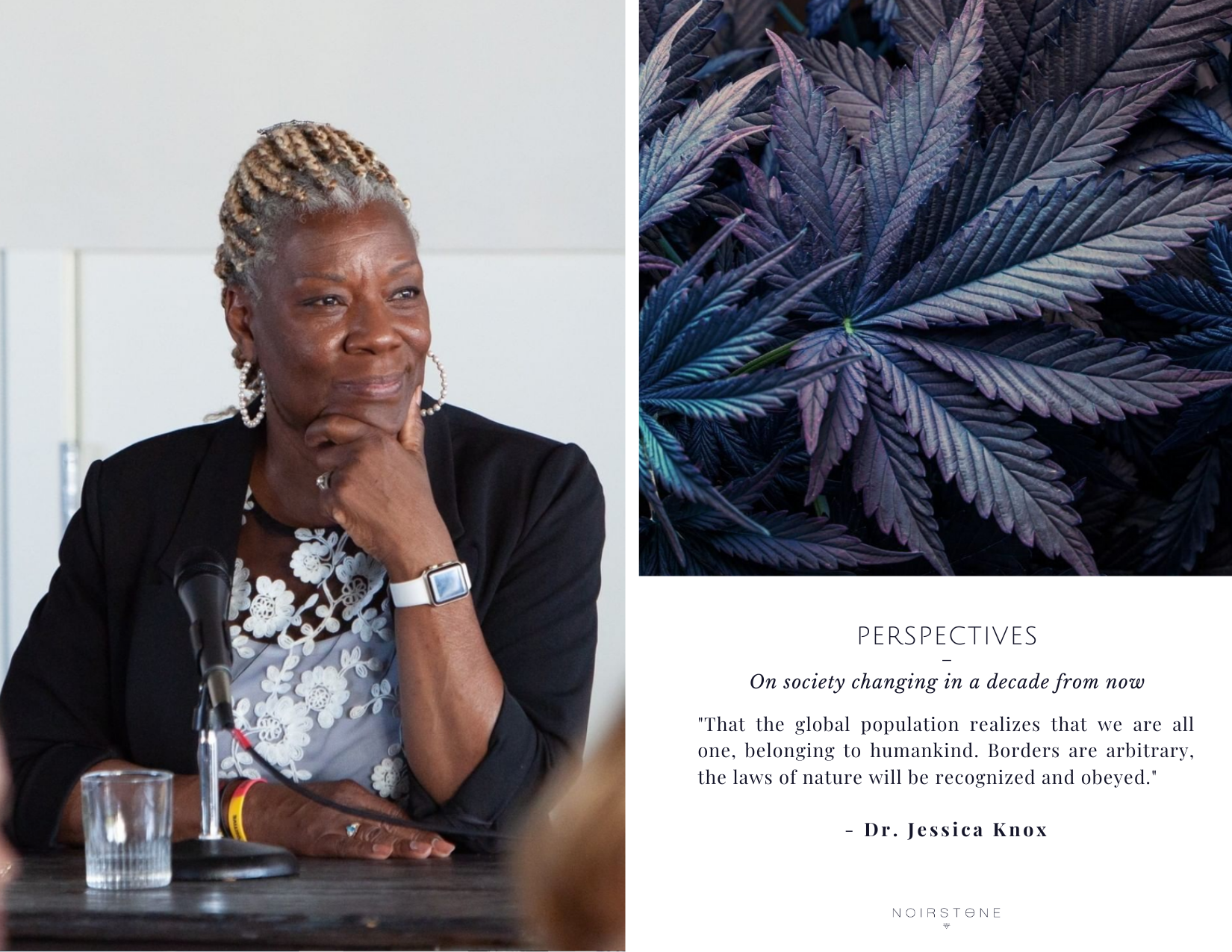
NS | How do you see our society changing a decade from now? NS | 您如何看待我們的社會在十年後會有什麼改變? Dr. Jess: In 2030, we will measure our governments and our businesses by the health of the people they serve. 2020 has thrown into stark relief the effects of political and economic models that prioritize profit over people and self over the collective. These are models we’ve accepted and allowed to persist for far too long. Our collective work over the next decade is to develop a conscious and compassionate society that holds ourselves and our institutions accountable for contributing to an ecosystem that supports the total health of all of us. 到 2030 年,我們將以人民的健康狀況來衡量政府與企業的成效。2020 年鮮明揭示了以利潤優先於人、個體優先於集體的政治與經濟模式所造成的影響。這些模式是我們長期接受並任其存在的。在接下來的十年中,我們的集體工作是建立一個有意識且具同理心的社會,使我們自身及機構對維護一個支持全民整體健康的生態系負起責任。 Dr. David: I am pessimistic that our society will become more just and inclusive for all, as we will be harshly battered by the ecological effects of climate change, as well as the viruses of pandemic and racism and selfishness. The money power still pits us all against each other, and keeps a majority of us distracted from what really matters to make a change in the world. The opportunities are there, and I plan to do what I can to support this industry that has so much potential to help make the changes in society that we need to see happen. 我對社會是否會變得更加公正與包容持悲觀態度,因為我們將遭受氣候變化帶來的生態衝擊,以及疫情、種族主義與自私心態的病毒般影響。金錢權力仍將我們互相對立,使大多數人無法專注於真正重要的事以改變世界。然而,機會仍然存在,我計劃盡我所能支持這個產業,它擁有巨大潛力,能促成我們希望在社會中看到的改變。 Dr. Janice: That the global population realizes that we are all one, belonging to humankind. Borders are arbitrary, the laws of nature will be recognized and obeyed. Our governments will no longer be run by a patriarchal model that now subsides on power, greed and the control of others. Health will not be defined as we know it today, but as health that pertains to physical, spiritual, economic, and community health. 全球人口將意識到,我們皆為一體,屬於人類。國界只是人為的,自然法則將被認知並遵守。我們的政府將不再由以權力、貪婪與控制他人為依據的父權模式運作。健康的定義將不再是今天所認知的形式,而是涵蓋身體、靈性、經濟與社群層面的整體健康。 Dr. Rachel: How do I see our society changing? I don’t think society can change until people individually and collectively do. So I’d spin that question back to people as individuals - how do you see yourself changing a decade from now? What life do you want? When we want others to have the amazing lives we envision for ourselves, we’ll finally get somewhere. 我如何看待社會的改變?我認為社會不會改變,除非個人及集體先改變。因此,我會將這個問題轉向每個人自己——你如何看待自己在十年後的改變?你想要過什麼樣的生活?當我們希望他人也能擁有我們為自己描繪的美好生活時,我們終將有所成就。
NS | What does #selfcare mean to you? NS | #自我愛護 對您而言意味著什麼? Dr. Jess: Self care is health care. I realized early in my medical career that there was very little I could do as a doctor to “make” my patients healthy. Vastly more important and impactful for their health was what they did every day at home, school, or work, when they weren’t patients, but just people living their daily lives. To me then, selfcare is the real health care. The choices we make every day to nourish ourselves with good food, clean water, exercise, mind-body therapies, healthy relationships, and connection to nature are the best health care we can get. Of course, these choices are not options for everyone in 2020, which is why we have a lot of work to do as a society to make these choices available and accessible to all people. 自我愛護就是照顧健康。我在醫學職涯初期就意識到,作為醫生,我能做的「讓病人健康」的事情其實非常有限。對他們健康更為重要且有影響力的,是他們每天在家、學校或工作時所做的事情。當時他們不是病人,而是過日常生活的人。對我而言,自我愛護才是真正的照顧健康。我們每天做出的選擇,以良好的食物、清潔的水、運動、身心療法、健康的人際關係及與自然的連結來滋養自己是我們能獲得的最佳健康照護。當然,對於 2020 年的每個人而言,這些選擇並非人人可得,這也是我們作為社會需要努力的地方,讓這些選擇能被所有人取得並可行。 Dr. David: Self care means taking on the responsibility of keeping oneself healthy, by making the right choices in food and nutrition, exercise and activities, work and relationships, etc. Feed this responsibility with learning and education about how best to accomplish the end goal. 自我愛護意味著承擔保持自身健康的責任,透過在飲食與營養、運動與活動、工作與人際關係等方面做出正確選擇。透過學習與教育來充實這份責任,以達成最終目標。 Dr. Janice: Self care means being well. Self care means not needing a physician to get one well. Self care is doing everything possible to maintain wellness, assuring a quality of life that allows one to live to ripe old ages. Finally self care is the right to use every tool the earth has provided us such as botanicals, good earth, clean water and clean air. 自我愛護就是保持健康。自我照護意味著不需要依賴醫師來獲得健康。自我照護是竭盡所能維持健康,確保生活品質,使人得以長壽。最後,自我愛護也是使用地球賦予我們的一切資源的權利,例如植物、肥沃的土地、清潔的水與空氣。 Dr. Rachel: Self care is a reflection of self love. Have you ever heard the instruction,“love your neighbor as you love yourself”? If you don’t know how to love yourself, how in the world can you love others? In this way, self care is one of the most selfless, loving things one can do. When you really love yourself - for who you are and who you are not - you not only care for yourself tenderly and forgivingly, but you challenge yourself to grow. And not for only your benefit, but for the benefit of others. When we fill up with love, we pour out. For many, however, self care by the name “wellness” has been relegated to a privilege, inaccessible to many for all the ways the systems of today’s world make so many too busy and too sick. Self care (or selflove) becomes inconvenient or a distant priority. We have to dig deep and fight this illusion. This is why self love is such a radical, revolutionary act today. 自我愛護是自愛的反映。你是否曾聽過「愛人如己」的教導?如果你不懂如何愛自己,又怎能愛他人呢?因此,自我照護是最無私、最充滿愛的行為之一。當你真正愛自己,無論你所是之人,或你所非之人,你不僅能以溫柔與寬容照顧自己,也會激勵自己成長。而這不僅為了自身利益,也為了他人的利益。當我們被愛充滿時,便能將愛散發出去。然而,對許多人而言,自我照護以「健康」之名已被降級成為特權,由於現今社會的種種制度使許多人過於忙碌或過於虛弱而無法取得。自我愛護(或自愛)因此變得不便或被放在遙遠的優先位。我們必須深入掘進抵抗這種幻象。這也是為何今天的自愛是一種激進而革命性的行為。
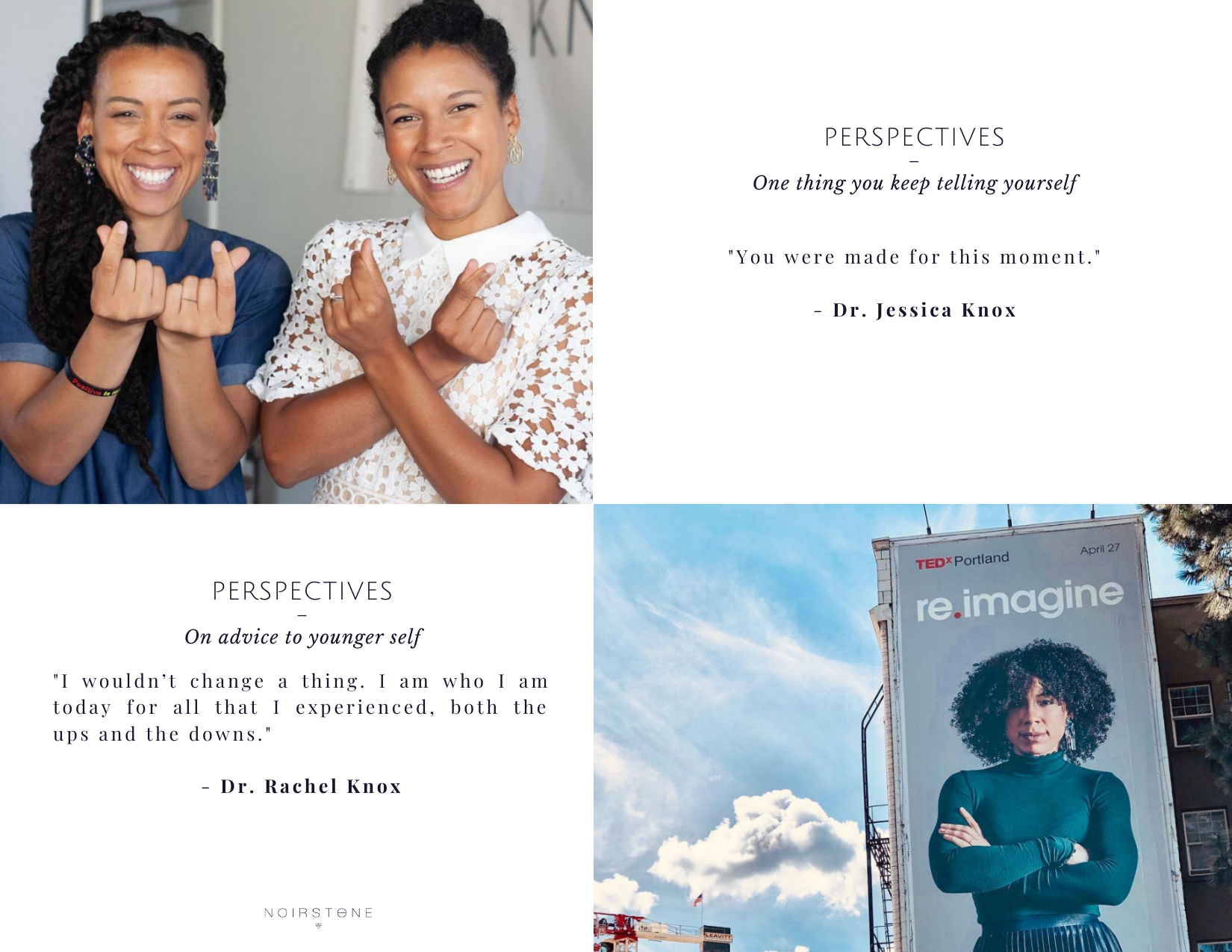
NS | If you were to meet your younger selves, what advice would you give them? NS | 如果你能見到年輕時的自己,你會給他們什麼建議? Dr. Jess: There’s no rush. Take your time to explore the world, learn across a diversity of subjects, and try on a variety of (figurative) hats so you can find what really makes your soul soar. 不必急於一時。慢慢探索世界,廣泛學習不同領域的知識,並嘗試各種(比喻的)角色,這樣你才能找到真正讓靈魂飛揚的事物。 Dr. David: Take more time to do what you really enjoy. 花更多時間去做真正令你喜愛的事情。 Dr. Janice: I believe that I did this, but self actualize first, then build your dream. 我相信我曾這麼做過,但應先實現自我,再去建構夢想。 Dr. Rachel: I wouldn’t change a thing. I am who I am today for all that I experienced, both the ups and the downs. I would probably just remind my younger self that she is lovely, loveable, and loved; and to know and trust that God’s plan is perfect. 我不會改變任何事情。我今天的樣子正是因為我經歷過的一切,包括高潮與低谷。我可能只會提醒年輕的自己,她是可愛的、值得被愛的,也被愛著;並且要知道並信任上帝的計畫是完美的。
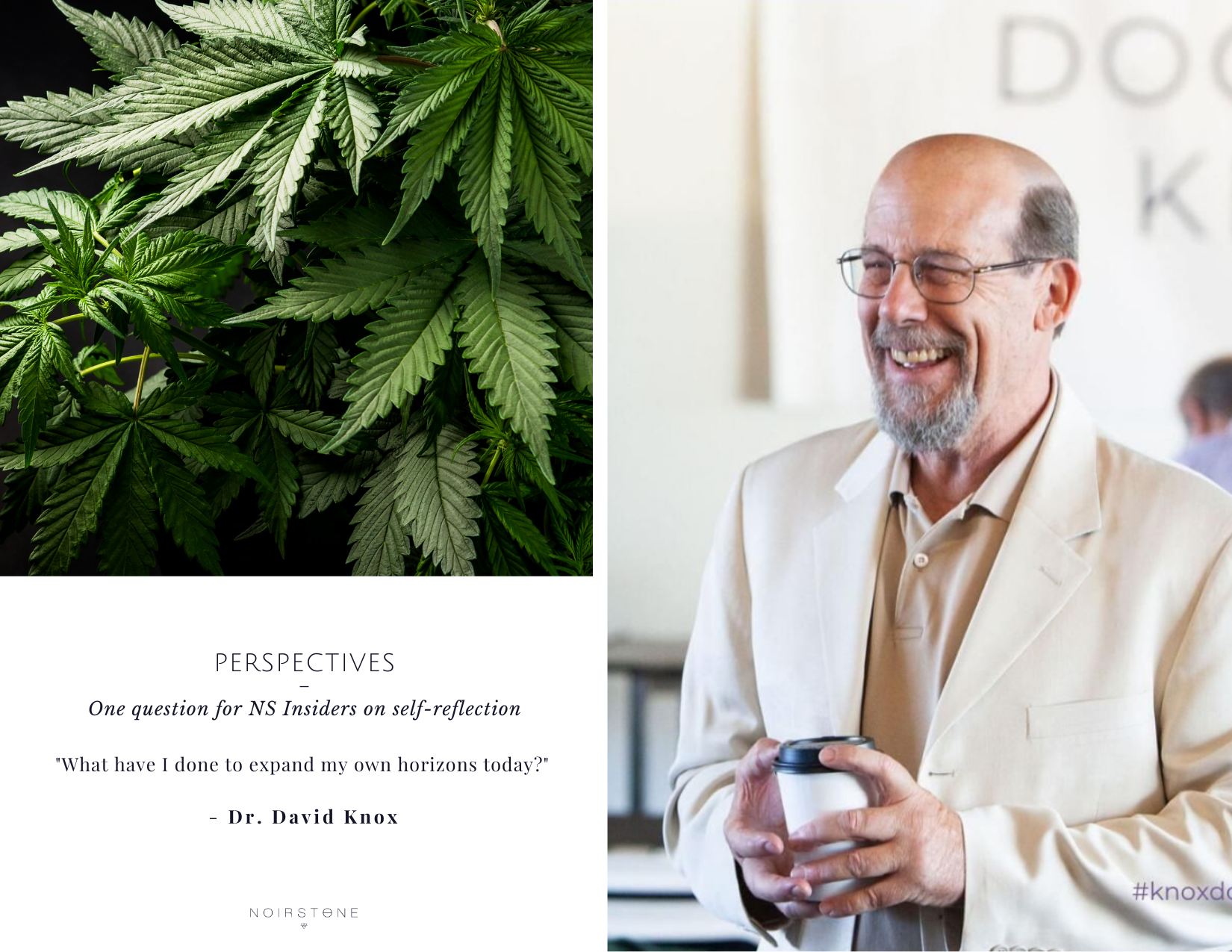
NS | What’s that one question you’d like to ask our NS Insiders so that they can take time to reflect? NS | 你想問 NS Insider 的一個問題是什麼,讓他們可以花時間反思? Dr. Jess: Have you set boundaries in your professional and personal life that honor yourself? 你是否在工作與個人生活中設下了尊重自己的界限? Dr. David: What have I done to expand my own horizons today? 今天我做了什麼來拓展自己的視野? Dr. Janice: Do you recognize that you are a spiritual being and what does that mean to you? 你是否意識到自己是一個靈性的存在?這對你意味著什麼? Dr. Rachel: Do you love yourself unconditionally? 你是否無條件地愛自己?
T H E D O C K N O X' S C H O I C E
| Snack(s) | 零食
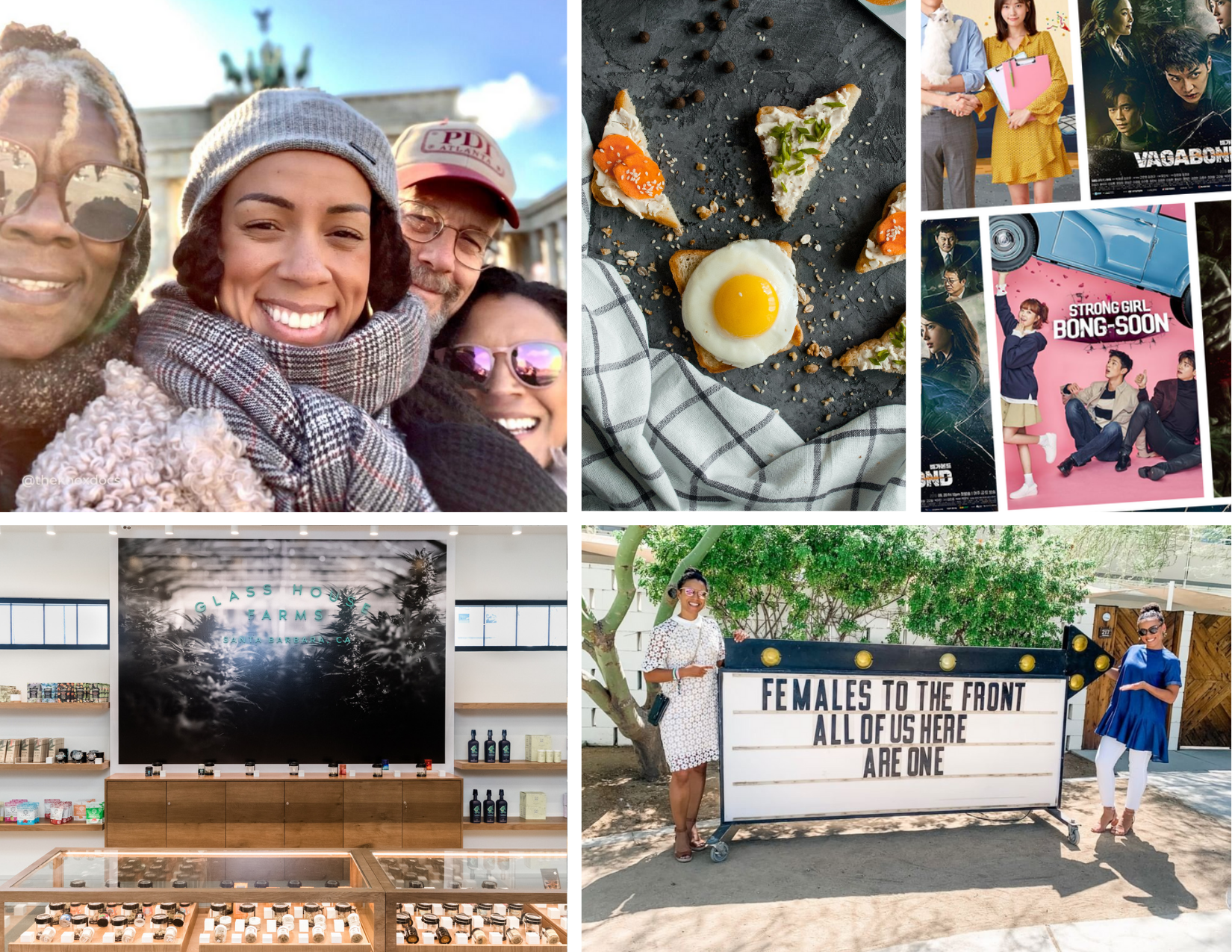
Dr. Jess: Hard boiled eggs, Cheese (fresh or moon cheese), Any fresh fruit 水煮蛋、芝士(新鮮或月亮芝士)、各種新鮮水果 Dr. David: Cheese, nuts, berries 芝士、堅果、漿果 Dr. Janice: I don’t have a favorite snack 我沒有特別喜歡的零食 Dr. Rachel: Dark berries, pistachios and cashews, and sharp cheddar; green apples with almond butter; egg and avocado toast (with the works) 深色漿果、開心果與腰果、濃味切達芝士;綠蘋果配杏仁醬;全套配料的雞蛋酪梨吐司
| Drink(s) | 飲品
Dr. Jess: Water (usually flat, sometimes sparkling), anything mezcal-based if we’re doing happy hour 水(通常是平水,有時是氣泡水),如果是歡樂時光則喝任何以mezcal-based 的飲品 Dr. David: Coffee, wine 咖啡、葡萄酒 Dr. Janice: Sparkling water or tonic water (hate the calories but love the quinine) 氣泡水或奎寧水(討厭熱量但喜歡奎寧味) Dr. Rachel: Water, sparkling water (+/- flavor), or kombucha. Did Dr. Jess say happy hour? Then anything with ginger beer and lime 水、氣泡水(有無口味皆可)或康普茶。Dr. Jess 說到歡樂時光嗎?那就喝任何加薑汁啤酒與青檸的飲品
| Song Of The Month | 本月歌曲
Dr. Jess: “Don’t Kill My Vibe” - by Sigrid (Jack Garratt Remix) 《Don’t Kill My Vibe》—Sigrid(Jack Garratt 混音版) Dr. David: Haven’t a clue (other than Baby Shark, but that was months ago). I just turn on the radio while driving. 完全不清楚(除了幾個月前的《Baby Shark》),開車時隨便打開收音機聽 Dr. Janice: Take me to the Throne (I love spirituals) 《Take me to the Throne》(我喜歡靈歌) Dr. Rachel: “Out of Your League” - by Blood Orange 《Out of Your League》—Blood Orange
| Book(s) | 書籍
Dr. Jess: So many but I’ll try to contain myself to a handful of recent favorites. Fiction: Americanah, The Fifth Season (sci-fi trilogy written by a kickass Black female author) Non-Fiction: Tiny Beautiful Things, Bottle of Lies, And The Band Played On, Why We Sleep, Boys + Sex, Girls + Sex (I’m not a parent at this point, but I think the + Sex books are soooo important for parents and teens alike to read as an introduction and resource for critical health and wellness conversations they should have together.) 書很多,但我試著列出近期幾本最愛。小說:Americanah、The Fifth Season(由厲害的黑人女作家創作的科幻三部曲)非小說:Tiny Beautiful Things、Bottle of Lies、And The Band Played On、Why We Sleep、Boys + Sex、Girls + Sex(我目前還不是父母,但我覺得 + Sex 系列對父母與青少年都非常重要,作為介紹與資源,用於開啟關於健康與福祉的關鍵對話) Dr. David: I can’t keep up with reading emails, news and research, so I haven’t read a real book in years. 我忙於閱讀郵件、新聞與研究,已經多年沒讀過真正的書了 Dr. Janice: Jess is so good, but I’m currently reading They Were Her Property by Stephanie E. Jones-Rogers. Jess 很棒,但我目前正在讀 They Were Her Property(Stephanie E. Jones-Rogers 著) Dr. Rachel: I’m in that Bible every day. Now, I’m not religious - I don’t believe in religion, and think religion was created as a tool of oppression and suppression. But I truly enjoy it. It has something for everybody: reality drama, suspense, comedy, mystery, romance...but the reason I read it is for the universal law. There are so many nuggets of wisdom in that book. What’s been really fascinating to me, though, is how much better I recognize the spiritual truths there in with my growing knowledge of endocannabinology, cannabis and plant medicine, and of the body’s inherent connection to earth, heaven, and other beings. Reading the Bible is definitely one of my daily habits of self care. Other than that, I just started reading a book I was gifted called Untamed, by Glennon Doyle. I’ve only read through Part 1, but so far it’s a book about living authentically; about self-actualizing (as my mom puts it); about loving yourself and living the life meant for you. 我每天都在讀聖經。雖然我不信宗教,認為宗教是用來壓迫與控制的工具,但我真的很享受。它有適合每個人的東西:現實劇、懸疑、喜劇、推理、愛情……但我讀它的原因是為了理解普遍法則。書中充滿了智慧的金句。對我來說,特別有趣的是,隨著我對內源性大麻素學、植物醫學與身體與天地萬物的天生聯繫的知識增長,我對其中精神層面的真理理解得更深。閱讀聖經絕對是我每日自我健康照護的習慣之一。除此之外,我剛開始讀一本禮物書 Untamed(Glennon Doyle 著),目前只讀到第一部分,但這本書講述的是如何真實地生活、實現自我(如我母親所說)、愛自己並過上屬於自己的生活
| Mentor(s) + Inspiration(s) | 導師與靈感來源
Dr. Jess: My family! Mama Sue Taylor of Farmacy Berkeley - her energy and outlook on life are nothing short of inspiring; in the entertainment world, I have lady crushes on Issa Rae and Viola Davis, both of whom are powerful, creative, and unapologetically themselves, while making their space better for the people it typically excludes or marginalizes. 我的家人!Berkeley Farmacy 的 Mama Sue Taylor,她的能量與人生觀令人深受啟發;娛樂圈中,我迷戀 Issa Rae 和 Viola Davis,她們既有力量又富創意,完全做自己,同時改善了原本排斥或邊緣化他人的空間 Dr. David: My wife (even though she refuses to be my IT expert). Dustin Sulak and Bonnie Goldstein are my inspirations in cannabis medicine 我的妻子(雖然她拒絕做我的 IT 專家)。Dustin Sulak 和 Bonnie Goldstein 是我在大麻醫療領域的靈感來源 Dr. Janice: All of my children. I want to grow up to be like them. 我的孩子們。我希望長大後能像他們一樣 Dr. Rachel: I recognize every person who has walked in and/or out of my life as a mentor. I’ve learned and keep learning from my experiences and observations with them all. My inspiration, however, is my destination - prosperity for myself and others. I am inspired daily by the abundant life and sustainable world I believe God wants for us. 我將每一位曾經出現在我生命中的人視為導師。我從與他們的互動中學習,並持續學習。然而,我的靈感來源是我的目標便是為自己與他人創造繁榮。我每天都受到自己相信上帝為我們設計的豐盛生活與可持續世界的啟發
| Stress reliever(s) | 紓壓方式
Dr. Jess: Working out, Reading, Watching K-dramas! 運動、閱讀、追韓劇! Dr. David: Fishing, though I haven’t had the time for it in years. Yard work and building projects. 釣魚(多年沒時間了)、庭院工作與建築項目 Dr. Janice: Singing (I sing all the time, I sang as I put my patients to sleep as an anesthesiologist) Like Jess, I love K-dramas. 唱歌(我一直在唱,作為麻醉科醫師時,我邊唱邊讓病人入睡)像 Jess 一樣,我喜歡韓劇 Dr. Rachel: My dad is so good at building things! I like grounding; kicking off my socks and shoes and walking through the grass. And watching K-dramas. If I could watch K-dramas unrestricted and unbound by all my commitments and responsibilities, I’d be pretty stress-free. 我爸爸很會動手做事!我喜歡接地氣;脫掉襪子與鞋子踩在草地上。還有追韓劇。如果我能不受任何責任與義務限制地追韓劇,我會感到非常減壓
| That 1 Thing You Keep Telling Yourself | 那句你經常對自己說的話
Dr. Jess: “You were made for this moment.” 「你生來就是為了這一刻。」 Dr. David: “I am smart, I am blessed, I can do anything!” 我聰明、我有福、我能做到任何事! Dr. Janice: “You can do it because I believe.” 「你能做到,因為我相信你。」 Dr. Rachel: I wish I had that 1 thing to keep this answer simple, but the truth is that I tell myself all the things! On a daily basis I say words of encouragement to myself. I give myself grace, but remind myself to grow beyond my mistakes. I tell myself to listen more and champion others. I tell myself to keep going, especially when I am uncomfortable(which is often). But perhaps the most important things I tell myself are to breathe, and to remember that God’s got this. 我希望我能用一句話回答,但事實是我每天對自己說很多話!我每天都會給自己鼓勵。給自己寬容,同時提醒自己超越錯誤。我告訴自己多聽、多支持他人。我告訴自己繼續前行,尤其在不舒服的時候(這很常見)。也許我告訴自己最重要的,是要呼吸,並記得上帝掌管一切
| Daily (Shelter In Place) Routine | 每日(居家隔離)作息
Dr. Jess: Wake up usually around 7 am, read a chapter or two of my current book, make a cup of tea and work until about 12 or 1 pm (work is any combination of reading research/news, writing, preparing/delivering presentations, giving interviews, taking meetings/calls, speaking at conferences - webinars, these days, etc.), exercise for about an hour (I have a 6 days a week workout rotation that includes HIIT, barre, cardio, strength, pilates, and yoga), eat lunch (I’m an intermittent faster so lunch is my breakfast most of the time unless I’m on vacation), work again until about 6 pm, make dinner and eat with my husband while watching the show du jour (yes, we eat dinner while watching TV, I know), then relax or work as needed until bedtime. I try to go to bed by 10 or 11 pm, and I always read another chapter or two of my current book before turning off the lights unless I’m too tired to keep my eyes open! 通常早上7點起床,閱讀一到兩章目前的書,泡杯茶工作到中午12或1點(工作內容包括閱讀研究/新聞、寫作、準備/發表演講、接受採訪、開會/打電話、參加會議或線上研討會等),運動約一小時(我每週6天的運動計畫包括 HIIT、芭蕾、心肺、力量訓練、普拉提和瑜伽),午餐(我多數時間斷食,所以午餐通常是我的早餐,除非度假時),再工作到約6點,做晚餐並與丈夫一起吃,邊看當下的影集(是的,我知道,我們邊吃晚餐邊看電視),然後根據需要放鬆或繼續工作到睡前。我盡量在10或11點就寢,睡前會再讀一到兩章書,除非太累睏得睜不開眼 Dr. David: Sleeping in unless it’s a clinic day, when I get up around 7 am. Make coffee and eat my vitamins. Reading emails, meetings, research and writing if no clinic, otherwise working various hours depending on clinic schedules. Depending on what needs doing, house projects or yard work in the afternoons. I try to get some exercise, walking or swimming, if yard work isn’t enough of a workout. Dinner is often later 7-7:30. Work on the computer until bedtime. I get roped into watching K-dramas sometimes. 除非診所上班日,否則睡到自然醒,診所日大約7點起床。泡咖啡、吃維他命。沒有診所時,閱讀郵件、開會、研究和寫作,否則依診所安排工作。下午視情況做家庭項目或庭院工作。如果庭院工作運動量不足,我會散步或游泳。晚餐通常較晚,7-7:30。工作到睡前,有時會被拉去看韓劇 Dr. Janice: I’m up around 5:30 AM to do daily chores before starting my 9 am work schedule. I’m in meetings, answering emails, talking to patients, lunch break, back to work doing the same thing, then workout for 1 hour on my stationary bike before calling it an evening around 6 PM. 我大約5:30起床做日常家務,然後9點開始工作。開會、回郵件、與病人交談、午休,接著繼續工作,然後騎1小時固定腳踏車運動,約6點結束一天 Dr. Rachel: I wake up and first give my gratitude to God. Next I heat water in the kettle for my and my partner’s morning ACV+lemon juice detox, read a few Bible chapters, and ground outside. After this I start work, breaking for noon “Fit Hour” with my partner who is my live-in trainer (praise God!). After this I resume work and break-fast with a delicious meal usually prepared by my partner. I almost always work until dinner, which is prepared by either my partner, me, or together, and then I relax. 我起床先向上帝表達感謝,接著燒水泡我和伴侶的早晨蘋果醋+檸檬汁排毒飲,讀幾章聖經,並在戶外接地。之後開始工作,中午與伴侶(我同住的教練,讚美上帝!)進行「Fit Hour」運動。運動後繼續工作,並享用伴侶通常準備的美味午餐。我幾乎總是工作到晚餐,晚餐由我或伴侶或我們一起準備,之後放鬆
- This article was originally publised on our website in September 2020
Disclaimer: This publishing is made for informational and educational purposes only. It is not intended to be medical and life advice, nor an exhaustive list of specific treatment protocols. The approach and perspective is only based upon the content contributor’s knowledge, research, or clinical experience. The content creators, authors, editors, reviewers, contributors, and publishers cannot be held responsible for the accuracy or continued accuracy of the information or for any consequences in the form of liability, loss, injury, or damage incurred as a result of the use and application of any of the information, either directly or indirectly. Each plan must be individually tailored with the guidance and clinical judgment of your medical or healthcare practitioner or related advisor.


.png)