.png)



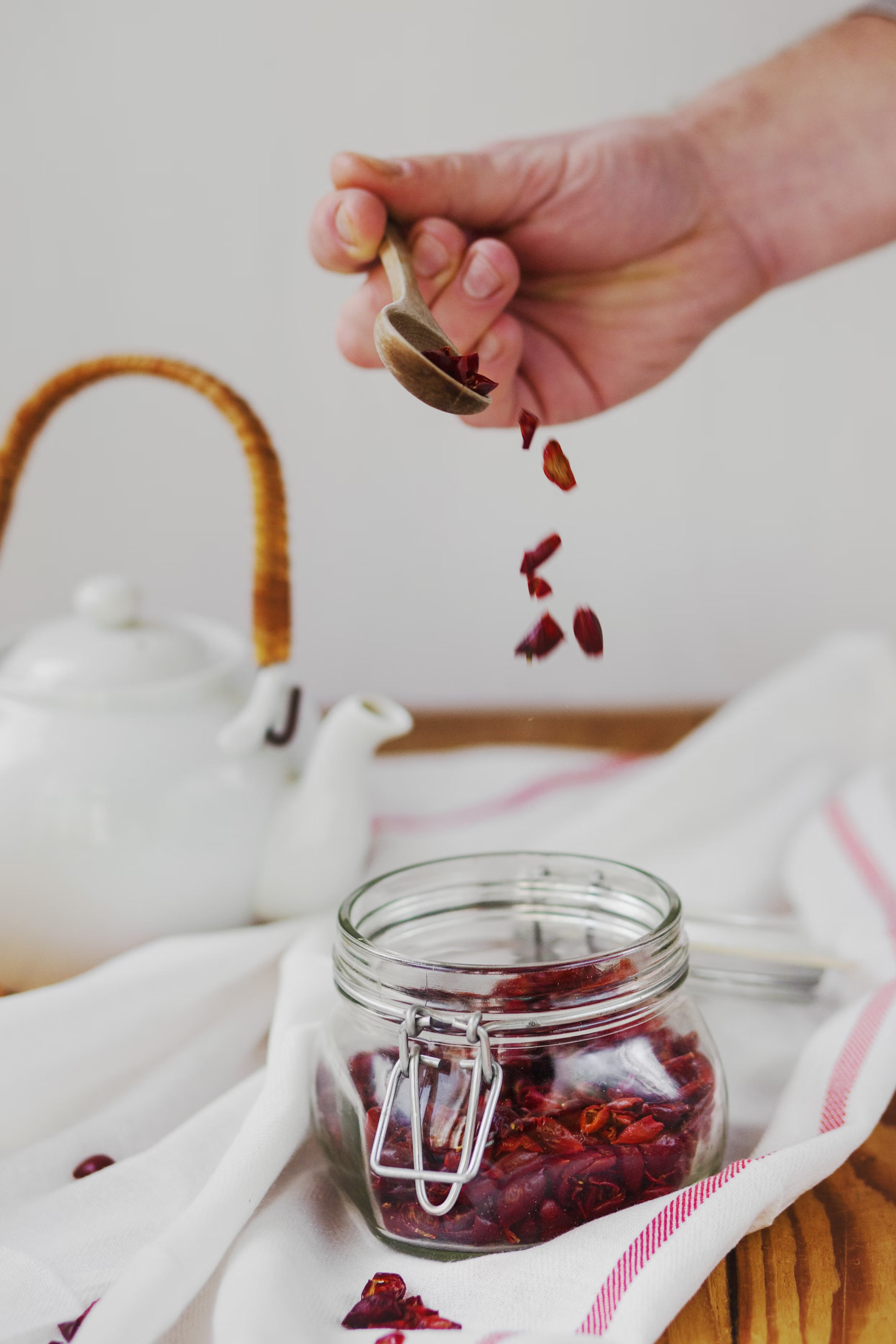
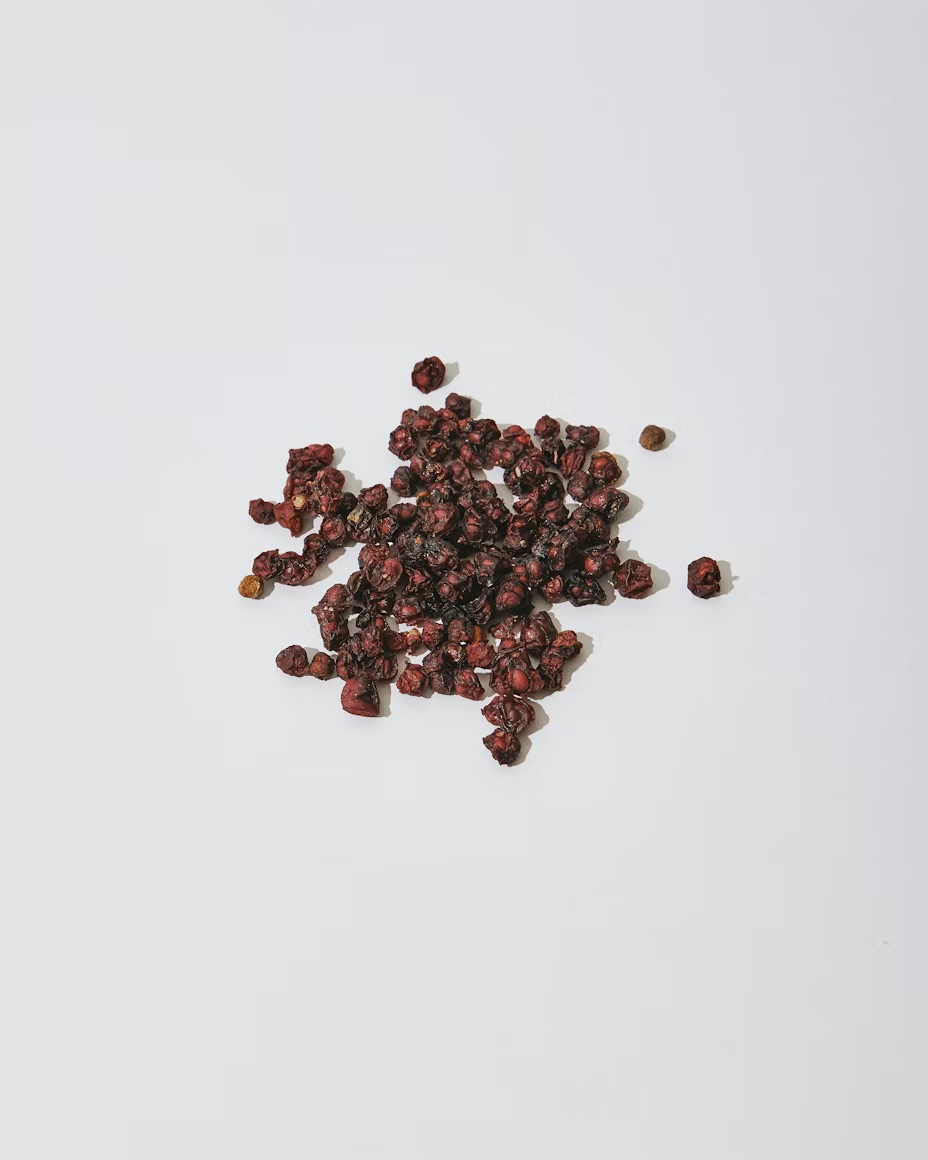

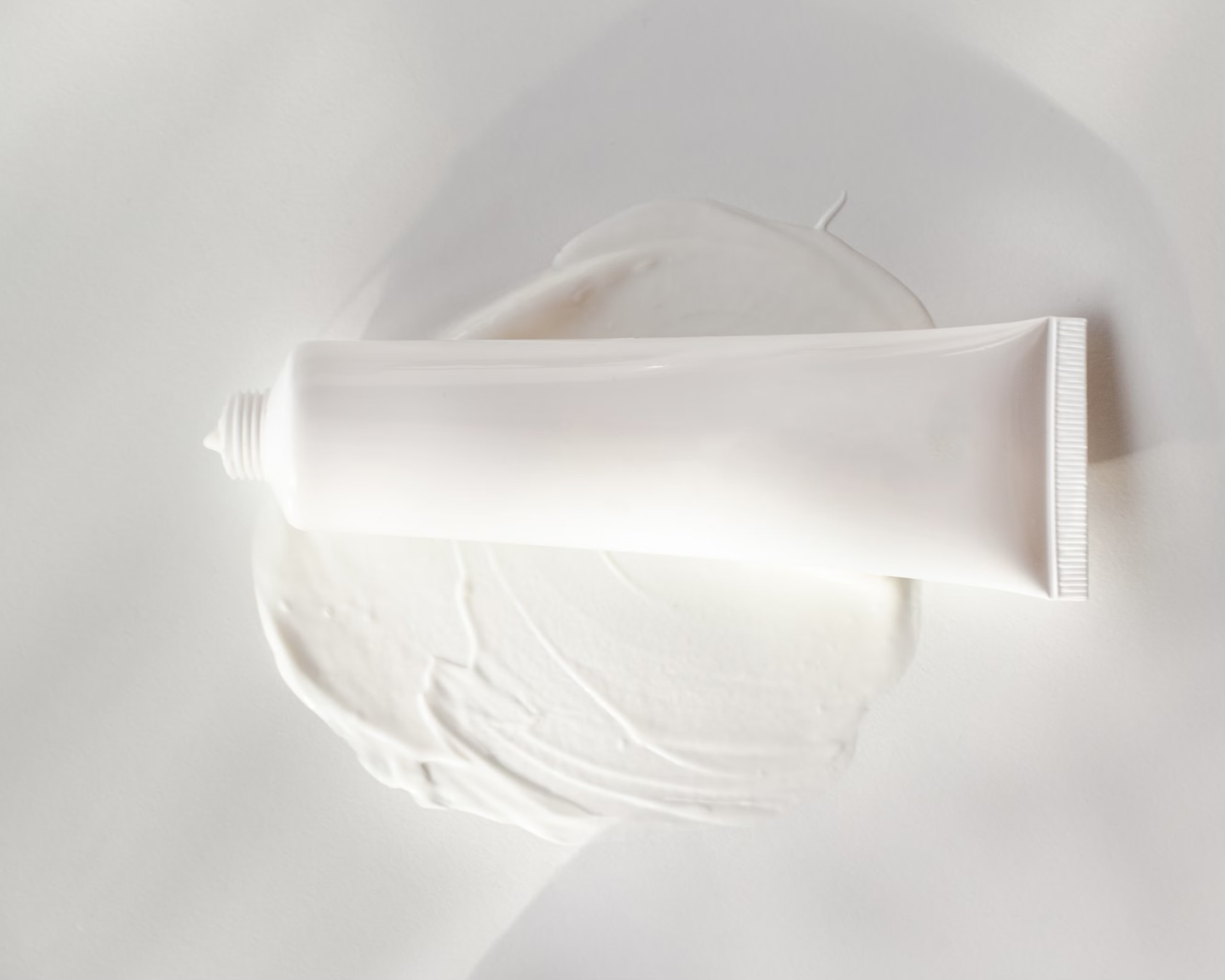
For decades, we've been conditioned to slather on creams and lotions to address skin concerns like irritation, aging, or specific conditions. Yet, most skincare products are 80-90% water, offering little more than superficial hydration. This ineffectiveness stems from a lack of understanding about how the skin interacts with nutrients. Conditions such as rosacea, acne, psoriasis, sebaceous hyperplasia, wrinkles, dry skin, and hyperpigmentation often signal underlying biochemical dysfunctions, primarily driven by nutritional deficiencies. To truly heal, we must prioritize internal nourishment through supplements and diet, complemented by targeted topical applications.
數十年來,我們習慣依靠乳霜與乳液來處理肌膚問題,例如刺激、老化或特定皮膚狀況。然而,多數護膚品中有 80–90% 是水,能提供的僅是表層保濕。真正的問題在於人們缺乏對「肌膚如何與營養互動」的理解。像是酒糟、青春痘、乾癬、皮脂腺增生、皺紋、乾燥、色素沉澱等,往往是潛在的生化失衡所致,其核心驅動力多半是 營養缺乏。若要真正療癒,我們必須以 內在營養(飲食與補充品)為優先,並輔以針對性的外用方案。
Skin issues are rarely isolated; they frequently reflect internal imbalances. Nutritional deficiencies, often linked to digestive problems like leaky gut syndrome (1, 2), prompt the body to prioritize vital organs—such as the heart, liver, and lungs—over the skin, leaving it starved of essential resources.
肌膚問題鮮有是孤自存在,它們常常反映了體內的不平衡。營養缺乏往往與 腸道問題(如腸漏症)相關,身體因此會優先把資源分配給心臟、肝臟、肺等重要器官,而使皮膚處於營養匱乏狀態。
Symptoms of digestive dysfunction don't always manifest as obvious issues like constipation or diarrhea. Instead, they can appear as allergies, skin disorders, weight fluctuations, or accelerated aging.
腸道功能異常的症狀不一定表現為便秘或腹瀉,它也可能以 過敏、皮膚病、體重變化或加速老化 的形式出現。
From the perspective of Traditional Chinese Medicine (TCM), skin health is intrinsically tied to the body's organ systems and the flow of Qi (vital energy). The skin is governed by the Lungs, which control Wei Qi (defensive energy) to protect against external pathogens. Imbalances in the Spleen (responsible for digestion and nutrient absorption) or Liver (which detoxifies and regulates blood flow) can lead to "damp-heat" or "blood stagnation," manifesting as acne, rosacea, or psoriasis. Specifically, rosacea is often linked to "Stomach-Lung fire" in TCM, where excessive heat in these organ systems causes facial redness, inflammation, and sensitivity. TCM views nutritional deficiencies as disruptions in Yin-Yang balance or Qi stagnation, often exacerbated by poor diet, stress, or environmental factors. Healing emphasizes restoring harmony through holistic approaches like herbal formulas, acupuncture, and dietary therapy.
在 中醫(TCM) 的角度,皮膚健康與臟腑系統與氣血運行息息相關。皮膚歸屬於「肺」,其主衛氣,負責抵禦外邪。若脾(主運化吸收)或肝(主疏泄解毒、調血)失衡,就容易產生「濕熱」或「血瘀」,進而表現為痤瘡、酒糟或乾癬。特別是酒糟,中醫常將其歸因於「胃肺火旺」,即臟腑積熱上炎,導致臉部潮紅、炎症與敏感。營養缺乏在中醫看來則是 陰陽失衡或氣滯,常由飲食不當、壓力或環境因素所加劇。療癒的核心是 恢復和諧,透過藥膳、針灸與草藥來調整。
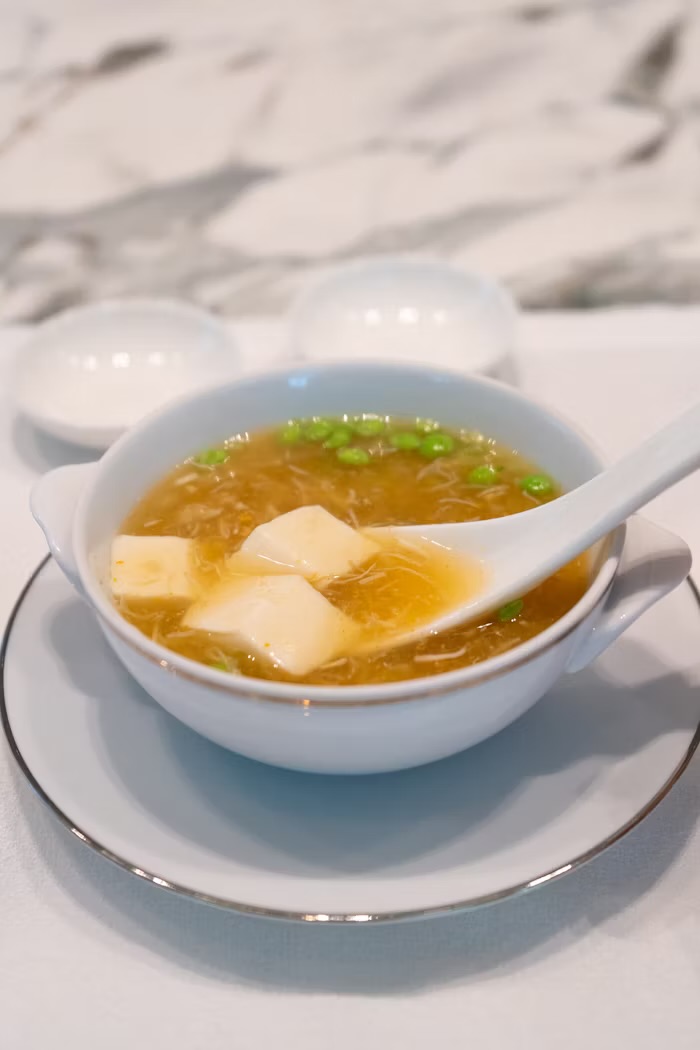
While genetics are often blamed for skin woes, over 80% of issues arise from environmental factors like lifestyle, pollution, and weather. Topical application—via transdermal delivery—allows active ingredients to penetrate the skin, reaching affected layers and even the bloodstream for systemic benefits.
雖然許多人將肌膚問題歸因於基因,但 超過八成來自環境因素:生活方式、污染、氣候。當我們用外用治療,經皮輸送(transdermal delivery) 可將有效成分直接送至皮膚深層,甚至進入血液,帶來全身性益處。
This method bypasses digestive barriers, ensuring nutrients reach the skin directly and mimic internal metabolic processes. Deficient skin absorbs these like a sponge, leading to improved complexion, glow, softness, and long-term collagen production to prevent wrinkles.
這繞過了消化屏障,使營養直接作用於肌膚細胞,改善膚色、光澤、柔軟度,並刺激長期膠原蛋白生成。
TCM complements topical healing with external applications rooted in herbal medicine. Skin conditions are seen as external manifestations of internal disharmony, so topicals often use cooling or blood-invigorating herbs. For instance, acupuncture or moxibustion can enhance topical efficacy by improving Qi flow, while herbal poultices address "wind-heat" (e.g., redness in rosacea) or "dampness" (e.g., oily acne). For rosacea, topical herbal preparations with Honeysuckle (Jin Yin Hua) or Sophora (Ku Shen) can cool Stomach-Lung fire and reduce redness.
中醫則強調 內外同治。許多外敷藥以清熱解毒或活血化瘀為主,針灸與艾灸也可增強氣血循環,提升外用療效。
Other Key Nutrients:
In TCM, topical formulas might include herbs like Honeysuckle (Jin Yin Hua) for anti-inflammatory effects on acne or Licorice root (Gan Cao) for soothing rosacea, often in creams or oils to clear heat and nourish Yin. For rosacea specifically, Sophora (Ku Shen) or Scutellaria (Huang Qin) ointments can reduce Stomach-Lung fire and calm inflammation.
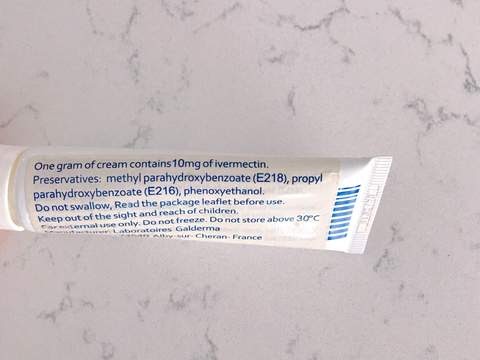
Medications provide symptomatic relief but rarely target root causes, potentially leading to long-term harm. Antibiotics and steroids, common for acne or rosacea, disrupt the gut microbiome, necessitating higher doses over time and impairing vitamin conversions (e.g., K and D3). Topical meds often contain preservatives linked to nervous system damage.
藥物雖能快速緩解症狀,但往往無法處理根本原因,並可能帶來副作用。抗生素與類固醇常破壞腸道菌群,長期使用需加大劑量,甚至干擾維生素代謝。
For example, ivermectin 1% cream (prescribed for rosacea) controls flare-ups but includes preservatives and may indirectly cause neurotoxicity. TCM offers alternatives like herbal decoctions (e.g., Huang Qin Tang for Stomach-Lung fire) or acupuncture to reduce reliance on such meds, focusing on holistic balance to prevent recurrence.
例如酒糟常用的 伊維菌素(Ivermectin 1% 乳膏) 雖能控制病情,但含有防腐劑,長期可能導致神經毒性。中醫則提供替代方案,如黃芩湯清胃肺火、針灸疏通經絡,以減少對藥物的依賴,專注於 恢復體內平衡,避免復發。要真正實現 可持續的皮膚療癒,必須回到根源:內外兼修,從飲食、營養、草藥與生活方式著手,再搭配科學化與中醫整合的護理方法,方能重建肌膚健康。
Disclaimer: This publishing is made for informational and educational purposes only. It is not intended to be medical and life advice, nor an exhaustive list of specific treatment protocols. The approach and perspective is only based upon the content contributor’s knowledge, research, or clinical experience. The content creators, authors, editors, reviewers, contributors, and publishers cannot be held responsible for the accuracy or continued accuracy of the information or for any consequences in the form of liability, loss, injury, or damage incurred as a result of the use and application of any of the information, either directly or indirectly. Each plan must be individually tailored with the guidance and clinical judgment of your medical or healthcare practitioner or related advisor.
免責聲明:內容僅供資訊及教育用途,並非醫療或專業建議,亦非特定治療方案。本文所提供的方法與觀點,僅基於內容撰稿者的知識、研究或臨床經驗。內容創作者、作者、編輯、審閱者、貢獻者及出版方,對於資訊的準確性或持續準確性,或因使用及應用該等資訊而直接或間接導致的任何責任、損失、傷害或損害,概不承擔任何後果責任。每一項療法或計劃必須在您的醫療或健康護理、或相關專業人員的指導及臨床判斷下,作個別化的調整而定。