.png)






For busy parents juggling work and wellness, caregivers holding a household together, and people seeking holistic wellbeing through family or societal traditions, uncertainty can feel like living with the volume turned up all day.
對於忙於兼顧工作與身心健康的父母、支撐整個家庭運作的照顧者,以及透過家庭或社會傳統追求整全福祉的人來說,不確定性就像把生活的音量整天調高了一樣,令人難以放鬆。
Even meaningful practices can start to feel confusing when moods swing, sensory overwhelm hits, or plans change faster than the nervous system can settle.
即使原本有意義的日常修習,當情緒起伏不定、感官不堪負荷或計劃變化的速度快於神經系統調適的速度時,也可能開始令人感到迷惘。
The core tension is wanting calm and clarity while life keeps moving, and feeling guilty for not handling it “better.” Future-proofing the mind, by cultivating openness to change, creates the inner steadiness that supports mental resilience in uncertain times. This is introductory guidance to emotional wellbeing that makes change feel less threatening.
其中最核心的拉扯,在於一方面渴望平安順利,另一方面生活卻持續推進,而自己又因為未能「處理得更好」而感到內疚。
透過培養對改變的開放態度,為心靈建立面對未來的韌性,可以培育出一種內在的穩定感,支撐我們在充滿不確定性的時代中保持心理韌性。而這篇文章,是一份關於情緒健康的入門指引,幫助我們以較少的威脅感去面對改變。
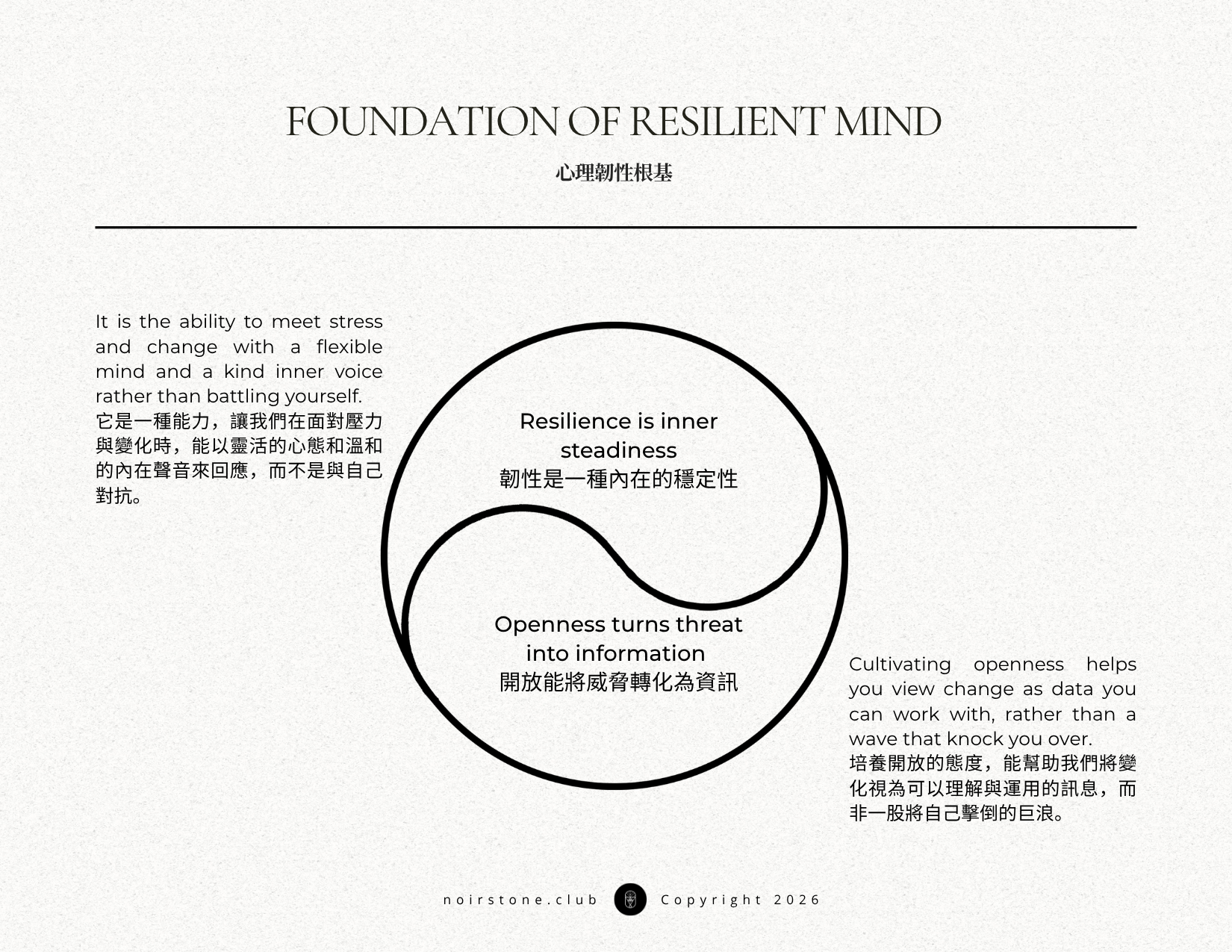
Mental resilience is the ability to stay steady inside, even when life stays messy outside. It is not forcing positivity. It is meeting stress, feelings, and change with a flexible mind and a kind inner voice. A practical map helps: stay open to change, build emotional agility so emotions inform you without driving you, and keep learning so you adapt.
心理韌性,是即使外在生活充滿混亂,內在仍能保持穩定的能力。它並不是強迫自己保持正面,而是以靈活的心態及溫和的內在聲音,去面對壓力、情緒與改變。一個實用的方向是:保持對改變有一種開放態度、培養情緒靈活性,讓情緒成為一種資訊而非主導力量,並持續學習,使自己能夠適應變化。
This matters in holistic healing because your practices work better when you are not battling yourself. Resilience reduces the spiral of guilt, shutdown, or overthinking, so you can choose what supports you today. Many people also find that lifelong learning and wellbeing go together, which supports the idea of training the mind over time.
這在整全療癒中尤其重要,因為當你不再與自己對抗時,所進行的修習與實才能更有效地發揮作用。「韌性」能減少內疚、自我封閉或過度思慮所形成的惡性循環,讓你能夠選擇真正支持當下自己的事物。許多人亦發現,終身學習與身心健康往往相輔相成,這也支持了心智需要透過時間持續培養的觀點。
Picture a day when plans shift and your body feels tight. Instead of quitting your routine, you pause, name what you feel, and adjust with compassion. You treat change like a current you can steer with, not a wave that knocks you over.
試著想像某一天,計劃突然改變,而你的身體也變得緊繃。與其放棄原有的日常節奏,不如停下來,辨認自己的感受,並以同理心與善意作出調整。你把改變視為一道可以順勢而行的流水,而不是一個將你擊倒的浪頭。

These habits translate mind training into daily and weekly actions that pair well with traditional healing and holistic wellbeing routines. Kept simple and repeatable, they help you build steadiness over time without needing a perfect schedule.
這些習慣將心智培養轉化為每天及每週都能實踐的行動,並能自然融入傳統療癒與整全健康的日常修習之中。它們簡單易行、容易重複,讓你無需依靠完美的時間安排,也能逐步建立內在的穩定感。
This checklist turns holistic intentions into clear actions you can return to when life shifts. Resilience is the ability to absorb change while staying connected to your core supports.
這份檢核表將整全健康的理念轉化為清晰可行的行動,讓你在生活出現變化時,仍能隨時回到這些實踐之中。「韌性」是在接納改變的同時,依然與支撐自己核心力量保持連結的能力。
✔ Set a two-minute minimum practice for busy days
在忙碌的日子裡,為自己設定一項最少兩分鐘的練習
✔ Choose one transition cue for three slow breaths
選擇一個日常可發出的提示,作三次緩慢呼吸為轉換時刻
✔ Record one feeling, one need, one next step
記錄一種感受、一項需要,以及下一個可行步驟
✔ Schedule one grounding walk with five-senses noticing
安排一次五感覺察步行,讓自己重新安定下來
✔ Prepare one calming support, tea, bath, or prayer
準備一項讓自己平靜下來的支援方式,例如喝茶、泡澡或祈禱
✔ Contact one trusted person with one honest update
聯絡一位值得信任的人,真誠地分享一次近況
✔ Review one stress trigger and one gentle boundary
回顧一個壓力觸發點,以及一條溫和而清晰的界線
Begin with one practice that feels realistic today. Small acts of consistency often rebuild trust faster than dramatic change
從今天開始,先選擇一項你覺得切實可行的練習。
Q: How can cultivating openness to change help me feel more resilient during uncertain times?
問:培養對改變的開放態度,如何幫助我在充滿不確定性的時期變得更有韌性?
A: Openness turns change from a threat into information you can work with. It helps to remember that mental resilience is the capacity to adapt and recover, not a promise that life stays calm. Try one small experiment today, like changing your routine by 5% and noticing what you learn.
答:開放的態度能把從一種威脅轉化為你可以理解和運用的資訊。請記住,心理韌性是適應與恢復的能力,而不是保證生活永遠平靜無波。今天不妨嘗試一個小實驗,例如把日常習慣調整百分之五,並留意自己從中學到了什麼。
Q: What are some effective ways to manage fear and anxiety by approaching uncertainty with curiosity instead?
問:如何透過以好奇心面對不確定性,而更有效地管理恐懼與焦慮?
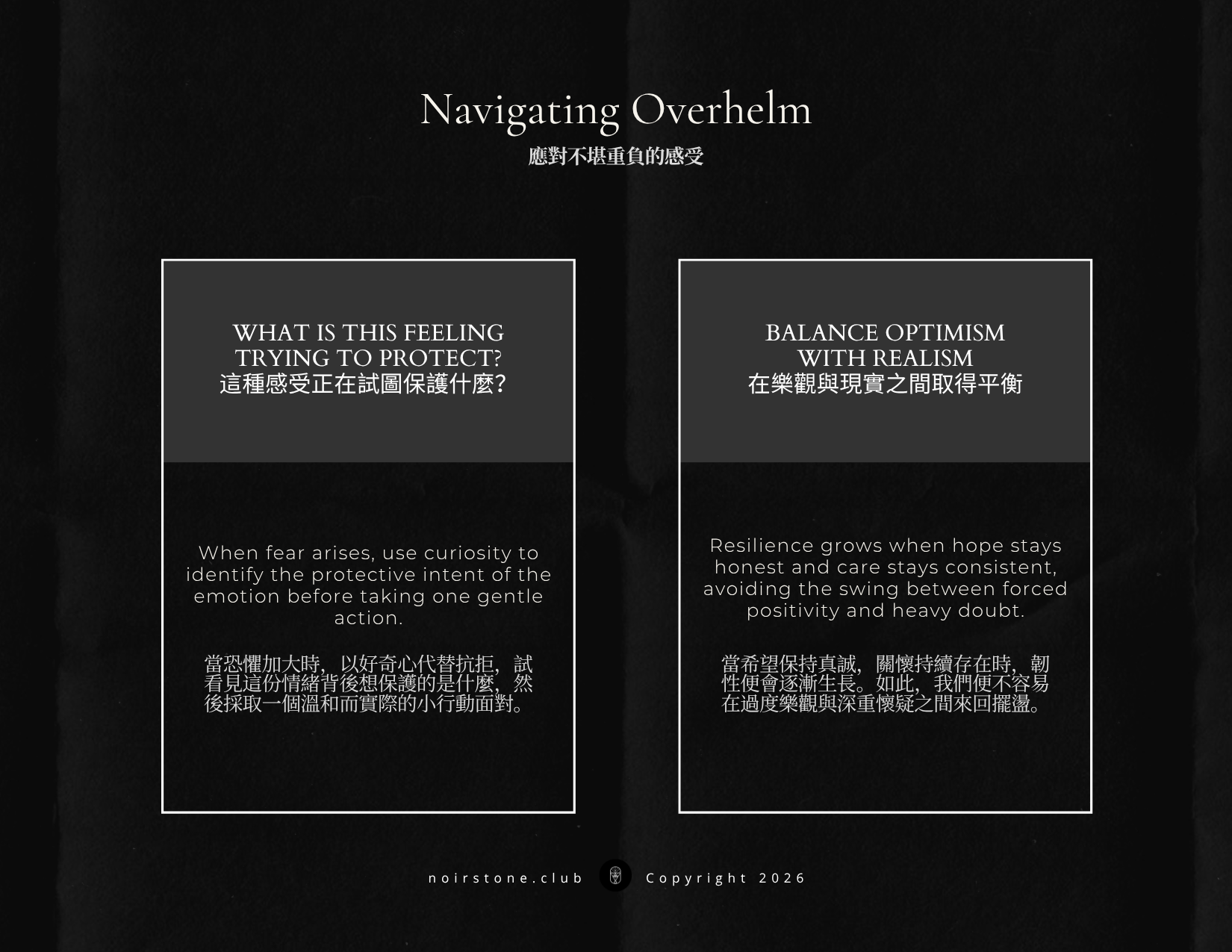
A: Fear is a normal protective response, especially when your body is tired or your supports feel stretched. Since Americans report frequent stress, you are not behind for feeling shaky. Ask, “What is this feeling trying to protect?” then take one gentle action: sip warm tea, step outside, or write down one question you can answer today.
答:恐懼是一種正常的保護機制,尤其當身體疲憊,或生活中的支持系統變得緊繃時,更是如此。由於許多人都經常感受到壓力,因此當你感到不安或動搖時,要知道並不代表自己落後於他人。不妨問問自己:「這份感受正在保護什麼?」然後採取一個溫和的小行動,例如喝一杯熱茶、到戶外走一走,或寫下一個今天能夠回答的問題。
Q: How does practicing mindfulness contribute to strengthening emotional agility and overall mental resilience?
問:練習正念如何幫助提升情緒靈活性及整體心理韌性?
A: Mindfulness helps you notice sensations, thoughts, and emotions before they take the wheel. That pause builds emotional agility because you can name what is happening and choose a kinder response. Begin with three slow breaths, then label one feeling and one need without judging either.
答:正念能幫助你在感官感受、想法和情緒接管一切之前,先察覺它們的存在。這個停頓的空間有助培養情緒靈活性,因為你能辨認當下正在發生什麼,並選擇以更溫和的方式回應。先從三次緩慢的呼吸開始,然後辨認一種感受和一項需要,而不對它們作出批判。
Q: What role do supportive relationships play in maintaining a balanced and optimistic mindset while facing challenges?
問:在面對挑戰時,支持性的關係對維持平衡而正面的心態有什麼作用?
A: Supportive relationships co-regulate your nervous system, so you feel safer and think more clearly. Community also helps you reality-check spirals and remember your strengths when you forget them. Reach out with a simple script: “I’m having a hard week. Can you listen for ten minutes?”
答:支援支持關係能與你的神經系統共同調節,讓你感到更安全,也能更清晰地思考。社群與人際連結亦能幫助你檢視那些不斷打轉的想法,並在你忘記自身優勢時,提醒你所擁有的力量。你可以用一句簡單的話開啟對話:「這星期我有點難熬,你願意花十分鐘聽我說說嗎?」
Q: If I’m feeling stuck and overwhelmed by unpredictable changes in my life, what resources can help me gain structure and clarity to move forward?
問:如果生活中的變化難以預測,讓我感到停滯和不知所措,有什麼資源能幫助我重新建立方向感與清晰度?
A: Start with a structure that matches your capacity: a short daily check-in, a weekly plan, and one accountable conversation. If work uncertainty is part of the pressure, it may help to know 54% of U.S. workers report job insecurity raising stress, so your reaction makes sense. Consider a counselor, a trusted elder, a community group, or career institute resources that can help you set priorities and one next doable step.
答:首先建立一個符合自己能力範圍的結構,例如簡短的每日檢視、每週計劃,以及一次能夠互相支持與承擔責任的對話。如果工作上的不確定性是壓力來源之一,那麼知道有 54% 的美國勞工表示工作保障不足增加了壓力,或許能讓你明白自己的反應是可以理解的。你亦可以考慮尋求輔導員、值得信任的長輩、社區團體,或職涯發展機構的協助,幫助自己釐清優先次序,並找到下一個切實可行的步驟。
When the world keeps shifting, it’s easy to swing between forced positivity and heavy doubt, and neither feels steady for long. A calmer path is balancing optimism and realism while treating resilience as an ongoing mental health practice, grounded, compassionate, and informed by the wisdom of noticing what’s here without being ruled by it.
當世界持續變動時,我們很容易在刻意保持樂觀與深深陷入懷疑之間來回擺盪,而兩者都難以帶來長久的安穩感。一條更平和的道路,是在樂觀與現實之間取得平衡,並將韌性視為一種持續培養的心理健康實踐 —— 它根植於當下,帶著同理心與關懷,同時從覺察眼前所發生的一切中汲取智慧,而不被其牽引或主宰。
Over time, this approach builds empowerment through resilience: feelings still rise and fall, but choices become clearer and self-trust grows. Resilience grows when hope stays honest and care stays consistent. Choose one 10-minute step you can do today, quiet breathing, a brief journal check-in, or reaching out to a trusted person, and repeat it gently. This mental health journey encouragement matters because wellbeing strengthens fastest through community support and repeated effort, creating steadier health, connection, and capacity for whatever comes next.
隨著時間累積,這種方式能透過韌性培養出內在力量:情緒依然會起伏流動,但你的選擇會變得更清晰,對自己的信任也會逐漸增長。當希望保持真誠,而關懷持續存在時,韌性便會慢慢成長。今天不妨選擇一件只需十分鐘便能完成的事情,例如靜心呼吸、簡短地寫下近況與感受,或聯絡一位值得信任的人,然後溫和而持續地重複這項練習。這份對心理健康旅程的鼓勵之所以重要,是因為身心福祉往往透過社群支持與持續實踐而得到最穩固的滋養,從而培養出更穩定的健康、更深的連結,以及迎接未來各種變化的能力。
Photos : Noirstone | Unsplash Renaud Confavreux| Unsplash Joonas Sild| Unsplash Alicja Gancarz| Unsplash Lei Hwang| Unplash Mike Cox
Disclaimer: This publishing is made for informational and educational purposes only. It is not intended to be medical and life advice, nor an exhaustive list of specific treatment protocols. The approach and perspective is only based upon the content contributor’s knowledge, research, or clinical experience. The content creators, authors, editors, reviewers, contributors, and publishers cannot be held responsible for the accuracy or continued accuracy of the information or for any consequences in the form of liability, loss, injury, or damage incurred as a result of the use and application of any of the information, either directly or indirectly. Each plan must be individually tailored with the guidance and clinical judgment of your medical or healthcare practitioner or related advisor.
免責聲明:內容僅供資訊及教育用途,並非醫療或專業建議,亦非特定治療方案。本文所提供的方法與觀點,僅基於內容撰稿者的知識、研究或臨床經驗。內容創作者、作者、編輯、審閱者、貢獻者及出版方,對於資訊的準確性或持續準確性,或因使用及應用該等資訊而直接或間接導致的任何責任、損失、傷害或損害,概不承擔任何後果責任。每一項療法或計劃必須在您的醫療或健康護理、或相關專業人員的指導及臨床判斷下,作個別化的調整而定。