.png)



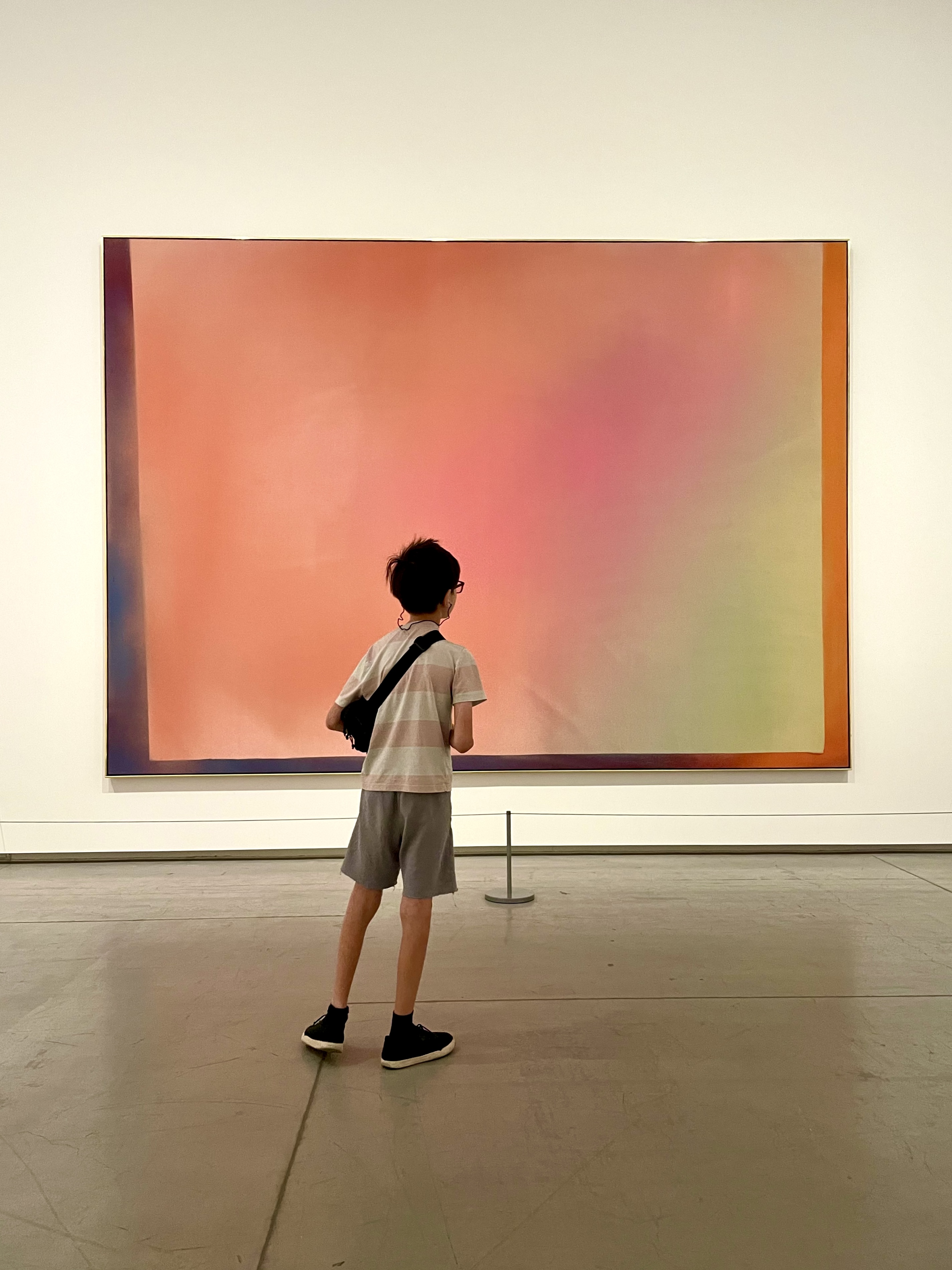
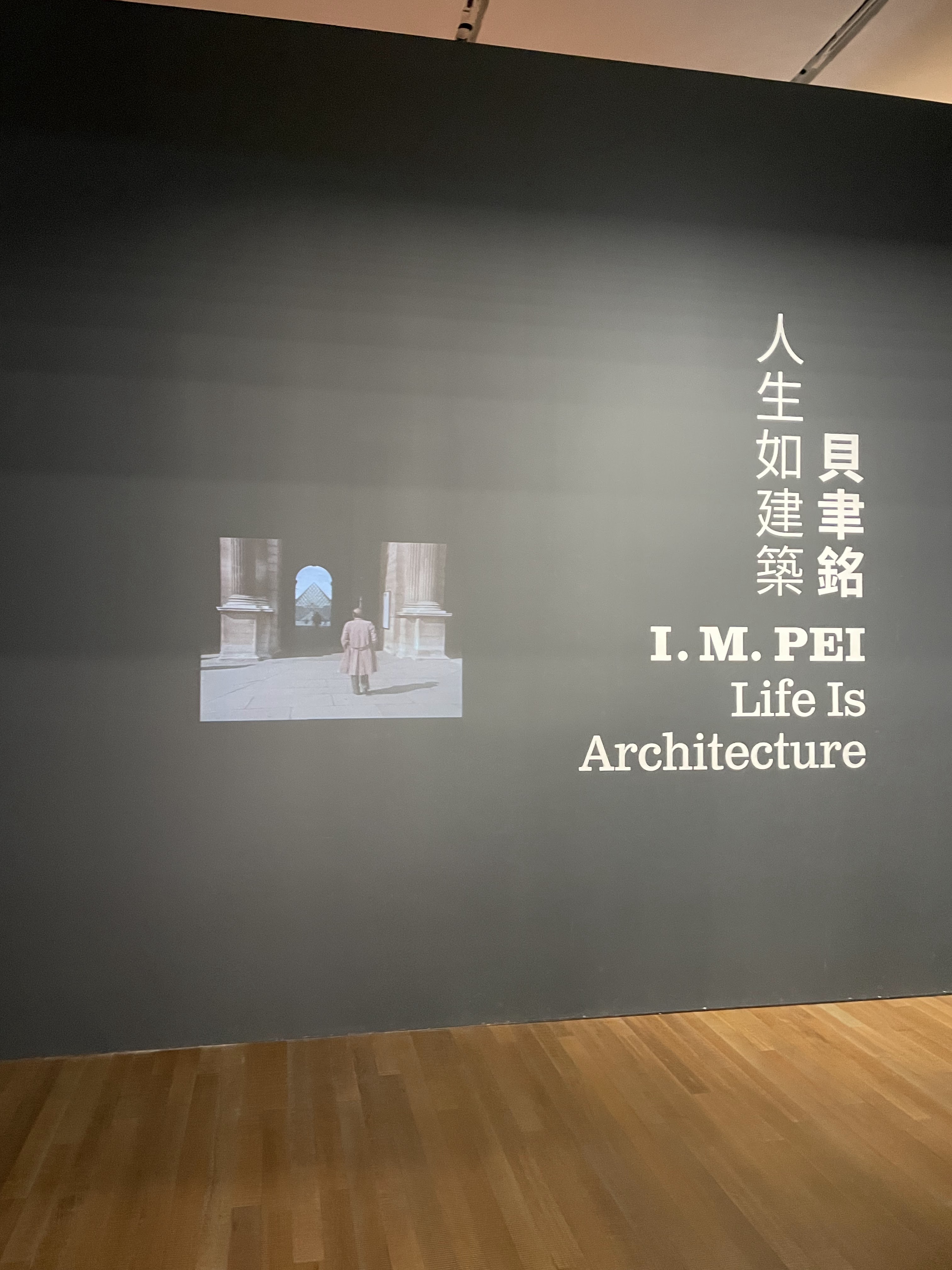
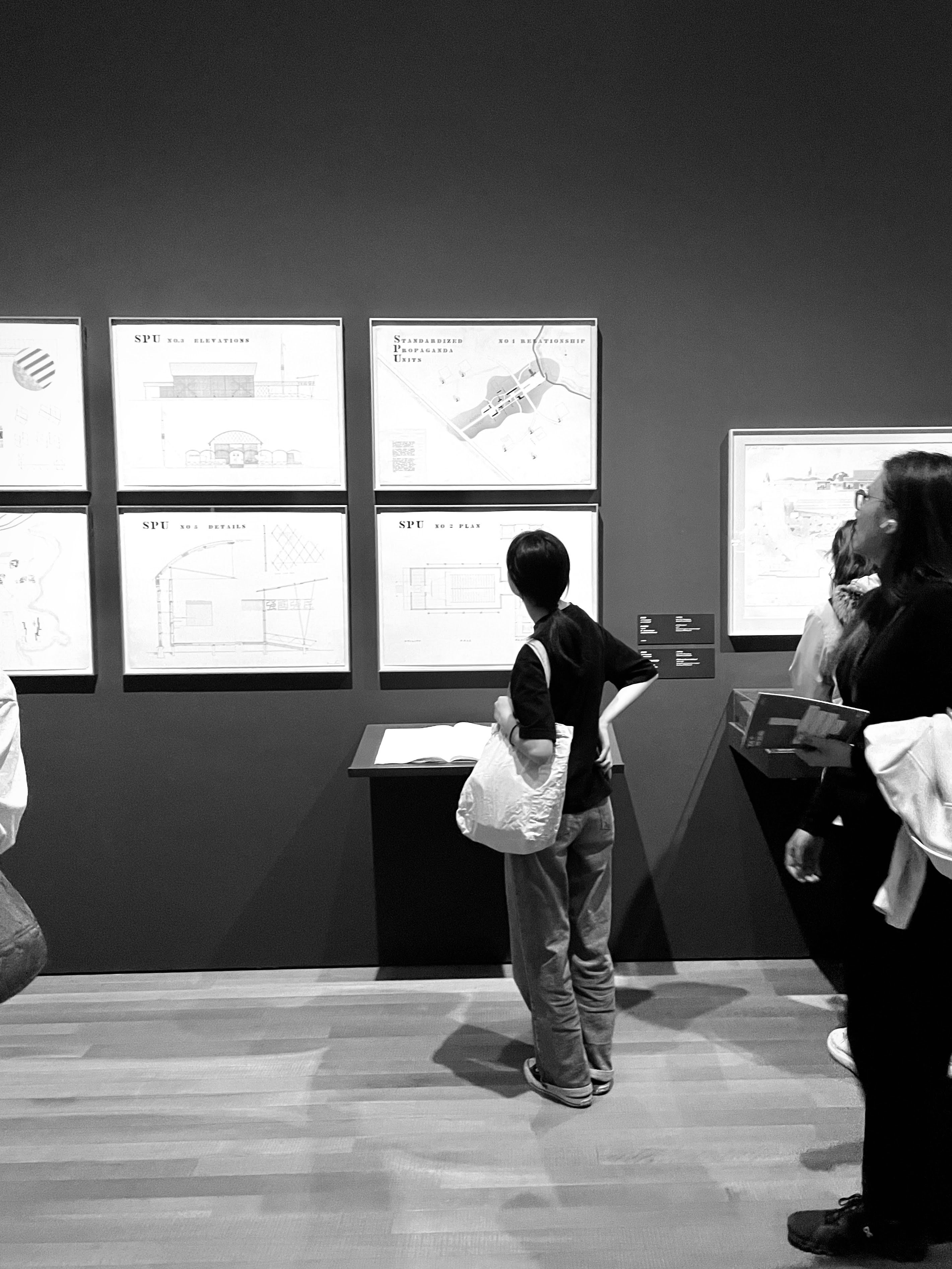
Our eyes are powerful, but they can also deceive us. What we see at first glance may not always be the full truth. The brain fills in gaps, makes assumptions, and turns fragments into certainty. In art, as in life, what looks obvious up close may reveal something entirely different when we step back.
人的眼睛十分強大,但同時也會欺騙我們。第一眼所見,未必就是全部真相。大腦會填補空白、建立假設,將零碎的片段拼湊成確定的結論。無論是藝術還是人生,近距離看似理所當然的事物,當我們退後一步,往往會呈現截然不同的面貌。
Many years ago, while working as an art technician for an artist, she pointed out something about the way I worked. She noticed that I never simply kept my head down and completed a task mechanically. Instead, I would move close to the art work, focus on the details, and then repeatedly step back to see whether the entire piece still felt balanced.
很多年前,我曾擔任一位藝術家的藝術技術員。她曾指出我工作時的一個習慣。她發現,我從不只是低頭機械式地完成工作。相反,我會走近作品,專注於細節,然後不斷後退,重新審視作品整體是否仍然有美感、和諧、平衡。
It was the first time someone had reflected that habit back to me. Only much later did I realize that this natural movement between zooming in and zooming out was not hesitation, but it was a skill.
那是第一次,有人把這個習慣反映給我。直到很多年後,我才明白這種在放大與縮小之間來回移動的能力,並不是猶豫,而是一種天賦與技巧。
We often associate “distance” with separation, loneliness, or the inability to reach what we love. Yet healthy distance can also be an act of care. It creates space for perspective, allowing us to see both the details and the larger pattern at once.
我們往往把「距離」理解為分離、孤獨,或是無法接近所愛之物。然而,健康的距離,同樣是一種關懷的舉動。它創造出一個容納視角的空間,讓我們既能看見細節,也能理解更大的脈絡。
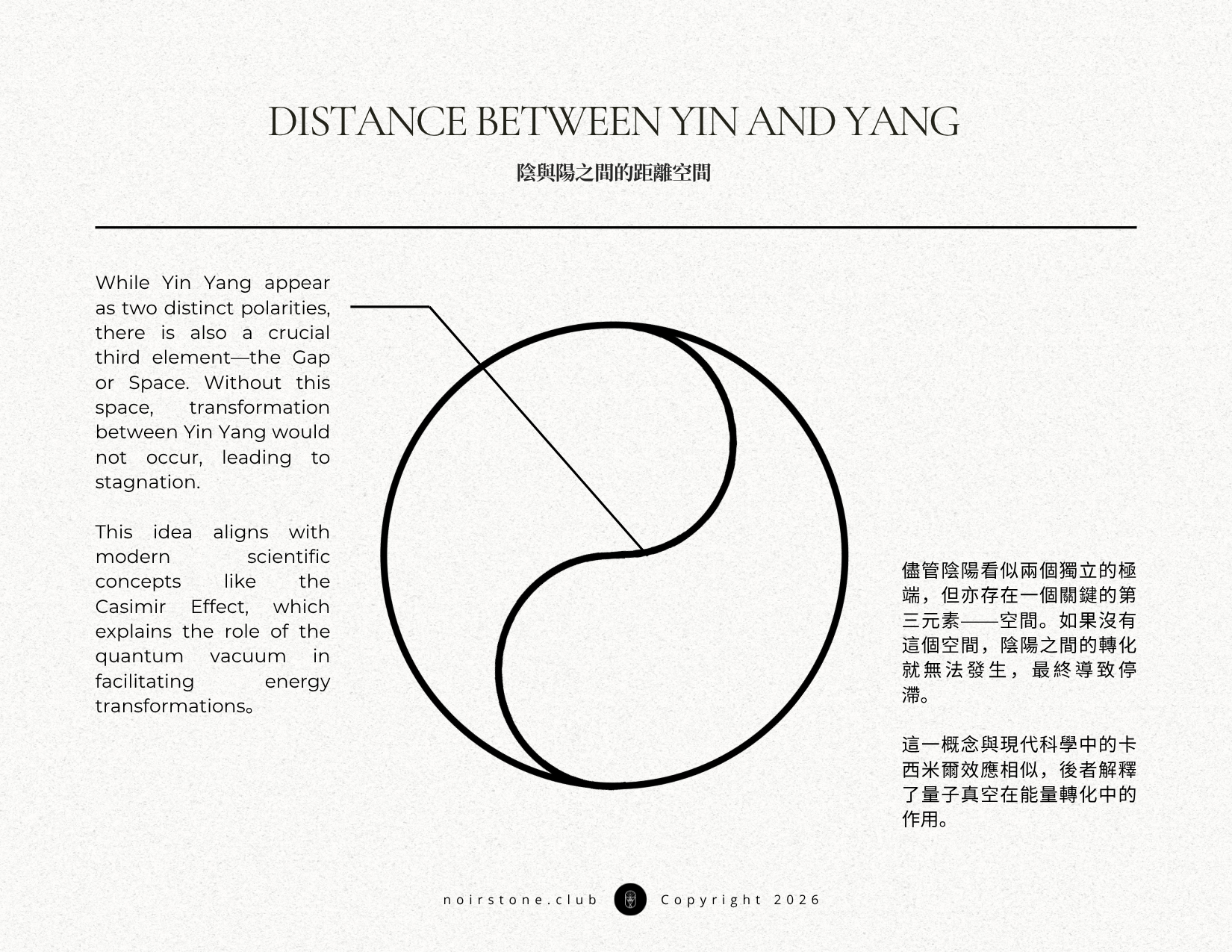
“Yin” “Yang” are known as a whole but also are not merged into a single, unmoving form. They maintain a dynamic relationship — a space between one another that allows transformation to happen. Without distinction, there is no movement; without movement, there is no becoming.
陰陽雖然是一體兩面,但從來不是完全融合、靜止不變的。它們彼此保持動態的關係,在兩者之間保留一個能夠孕育轉化的空間。沒有差異,便沒有流動;沒有流動,便沒有成就。
Even in Japanese aesthetics, the idea of Wabi-sabi and Kintsugi reminds us that what appears broken or incomplete is not necessarily ruined. A crack filled with gold does not erase the fracture; it honours it. The gap becomes part of the beauty. The distance becomes part of the whole.
日本美學中的「侘寂」(Wabi-sabi)與「金繼」(Kintsugi)亦提醒我們:殘缺與不完整,並不等同於毀壞。一道以金修補的裂痕,並非抹去曾經的破碎,而是對其予以尊重與榮譽。裂縫成為美的一部分,距離,也成為整體的一部分。
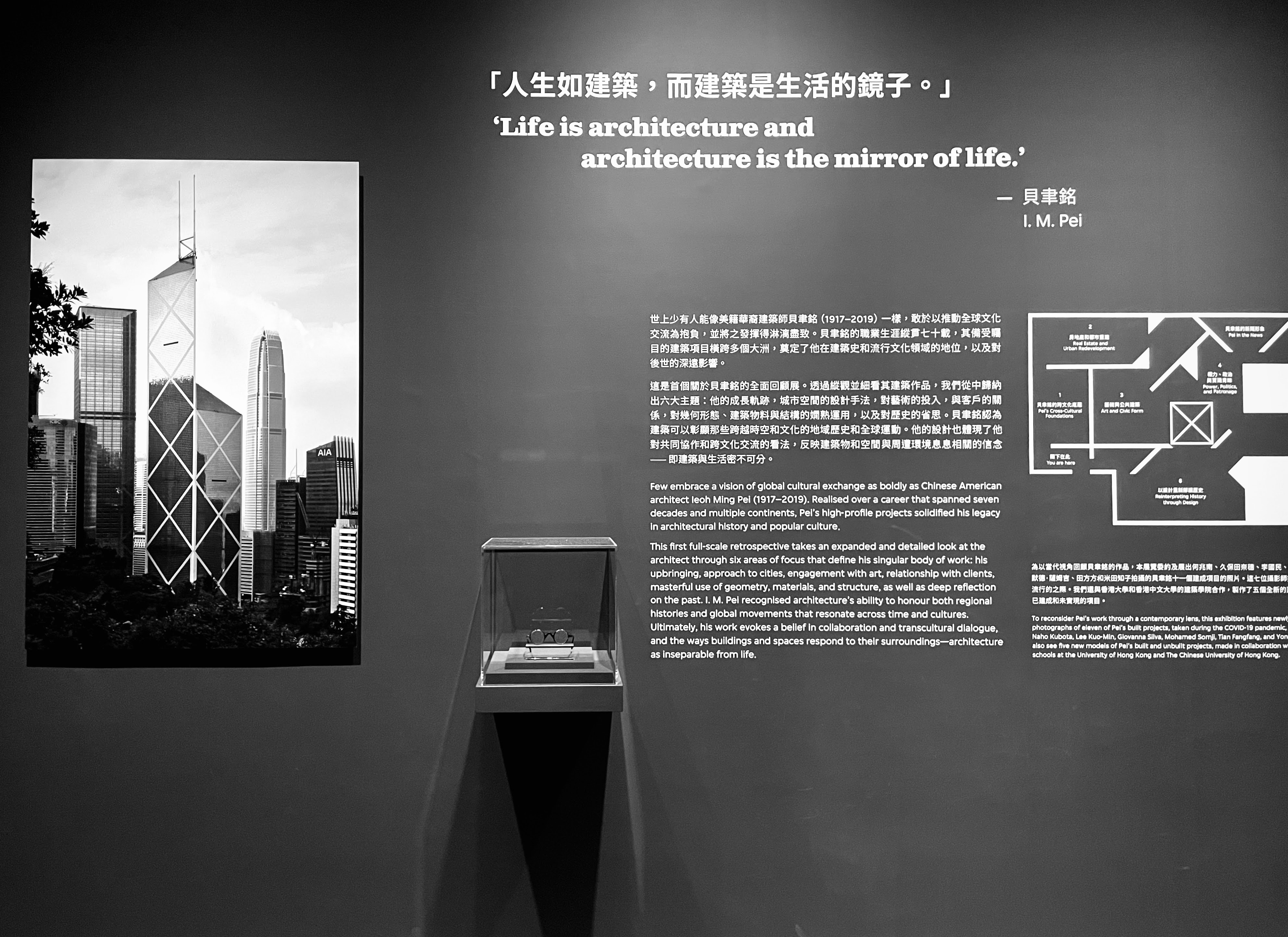
Each of us lives within our own landscape of memories, emotions, perceptions, and experiences. When difficulties arise, we often stand too close to them. We zoom in until the problem becomes our entire field of vision.
每個人心中,都存在著屬於自己的風景:記憶、情感、感知與生命經驗交織而成。當困難來臨時,我們會往往站得太近、不斷放大問題,直至它佔據整個視野。
Sometimes we are so focused on reaching a goal that we begin looking for shortcuts. Yet in doing so, we may overlook the repeated challenges in front of us that are teaching us what it takes to arrive there. What feels frustrating, repetitive, or discouraging may actually be the lesson itself. If we only want the destination and refuse the process, we risk becoming disheartened, or even resentful of life.
有時候,我們太執著於抵達某個目標,以至開始尋找捷徑。然而,在追求捷徑的同時,卻忽略了眼前一次又一次出現的挑戰,其實正是在教導我們,究竟需要成為怎樣的人,才能真正抵達彼岸。那些令人挫敗、重複、甚至灰心的經歷,本身或許就是課題所在。如果我們只渴望終點,而拒絕過程,最終可能會對生命感到失望,甚至心生怨懟。
Psychologists call this self-distancing, the ability to step outside our immediate perspective and observe our experiences with a little more space. Researcher and psychologist Ethan Kross describes how even brief moments of distanced self-talk can soften emotional intensity, allowing our inner voice to become a guide rather than a tormentor. Distance does not remove our feelings; it helps us hold them more gently.
心理學上,這種能力被稱為「自我抽離」(self-distancing),即暫時離開自身當下的視角或情感,以較寬廣的距離重新觀察自己的經驗。心理學家兼研究者伊森・克洛斯(Ethan Kross)指出,即使只是短暫地進行帶有距離感的自我對話,也能減輕情緒的強度,讓內在的聲音成為指引,而非折磨。距離並不會消除感受,它只是讓我們能以更溫柔的方式面對它們。
I once learned a simple practice from George Lee, PhD. (Senior Lecturer, Chairman, Committee of Master of Buddhist Counselling Programme in HKU, Academic Advisor, Master of Buddhist Counselling, Licensed Psychologist) that has stayed with me ever since. When emotions become overwhelming, imagine yourself as the director of a film. Everyone involved—including yourself—are actors within the scene.
我曾向李堅翔博士(George Lee, PhD., 佛法輔導領域的知名學者) 學習過一個簡單的方法,至今仍深深受用。當情緒變得過於強烈時,不妨想像自己是一部電影的導演。所有人,包括自己,都只是場景中的演員。
I’d detached myself from the events by thinking from the director's chair, what would I notice?
What motivations, motives, intentions, would I see?
Reminds myself it is just a nature’s way with natural phenomena to unfold the story.
當我抽離事件本身及坐在導演的位置,我會看見甚麼?
我會理解哪些動機、意圖與內在驅使力?
然後提醒自己:萬事萬物,本來就會依循自然規律而展開運作。
For someone who is highly sensitive but also has high reasoning skills, this small shift creates enough distance to breathe without abandoning the heart.
對於既高度敏感,又擁有強大理性思考能力的人來說,這一點點距離,已足夠讓人重新呼吸,而不必捨棄內心的柔軟。
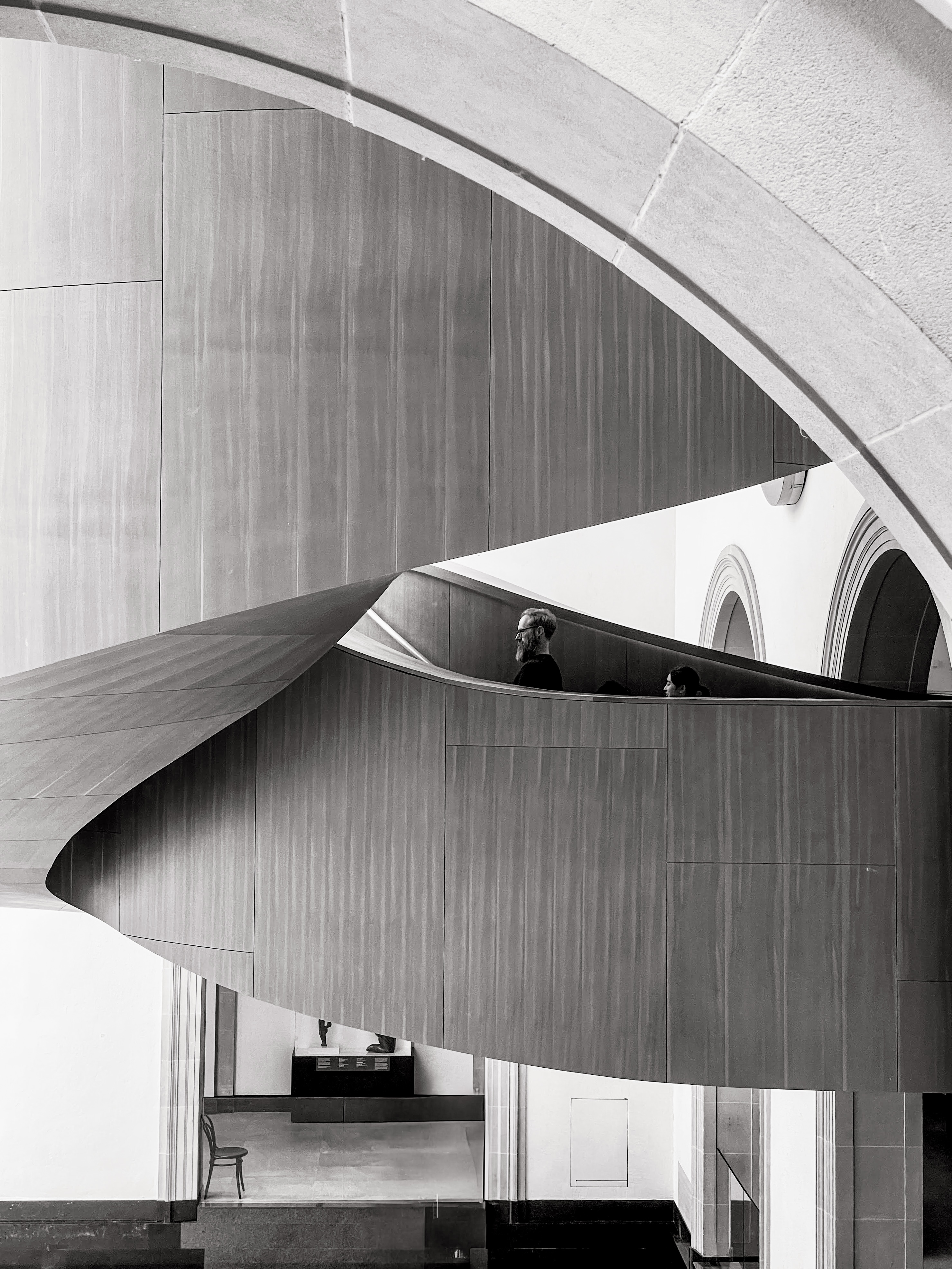
As parents and caregivers, we can become so focused on behaviours, reactions, and changes that we lose sight of the larger journey. We may even try to protect children from every difficulty, hoping to guide them straight to the outcomes we imagine for them, mainly because we fear they would repeat our footsteps or not prepared enough for the world. But not every stage can be skipped. In school, a child may be able to skip a grade. In life, however, there are stages that belong to the owner of the journey and cannot be bypassed.
身為父母或照顧者,我們很容易過分聚焦於孩子的行為、反應與變化,而忽略了更長遠的生命旅程。有時候,我們甚至希望替孩子避開所有困難,帶領他們直接走向我們理想中的結果。很多時候,這種心情源於恐懼,害怕他們重蹈自己的覆轍,或擔心他們尚未準備好面對這個世界。然而,並不是每一個階段,都可以被跳過。在學校裡,孩子或許可以跳級;但在人生之中,有些階段只屬於旅程的主人,無法由他人代替經歷。
Nurturing children does not bring problems, it brings lessons.
「養育孩子,不是帶來問題;它帶來的是課題。」
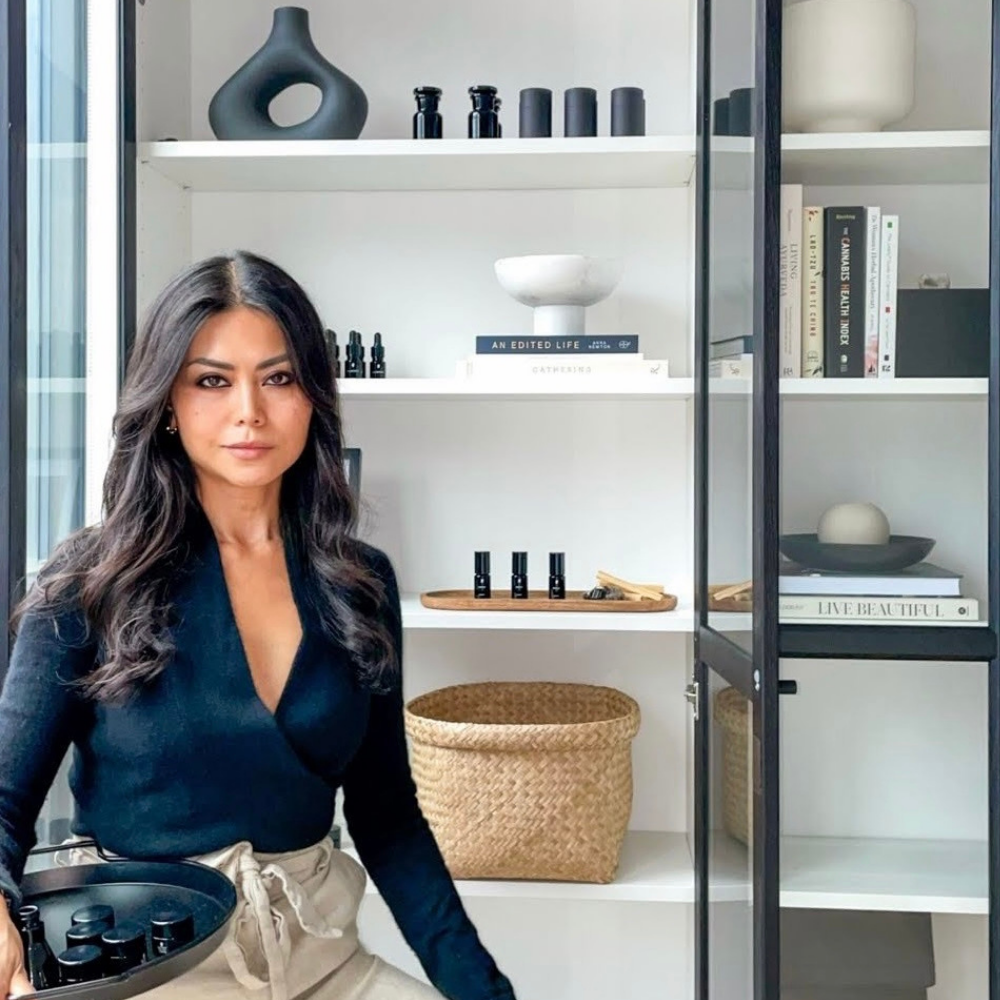
- Nicole Lui
What looks like resistance, delay, or struggle may simply be part of the growth that needs to happen. Distance allows us to see causes instead of merely symptoms; patterns instead of isolated events. It helps us understand that if we truly want one thing, life will often show us what it takes to get there.
那些看似抗拒、延遲,甚至掙扎的時刻,也許只是成長本身必須經歷的歷程。「距離」讓我們看見原因,而不只是症狀;看見模式,而非零散的事件。它提醒我們:如果真心渴望某件事,生命往往也會同時呈現出究竟需要經歷甚麼,才能真正得到它。
The same is true when friendships change, careers take unexpected turns, or life invites us onto unfamiliar paths. What feels like an ending when viewed up close may reveal itself as a transition when seen from a wider horizon.
同樣地,當友情改變、事業轉變,或者人生帶領我們走進陌生的道路時,那些近看像是終結的事情,放遠來看,也許只是另一段過渡期。
To appreciate a masterpiece, we move closer to honour the details, and farther away to understand the composition. Neither perspective alone is enough. Beauty emerges through the rhythm between intimacy and distance.
欣賞一件傑作時,我們會靠近,以致敬其中的細節;退後,以理解整體的構圖。單看一邊,從來都不足夠。真正的美,誕生於親近與距離之間,那份流動的節奏。
To care deeply, but not be consumed.
深深地關懷,卻不被吞沒;
To feel fully, but not lose perspective.
完整地感受,卻不失去觀點;
To step close enough to love, and far enough to see.
靠近得足以去愛,同時退後得足以看見。
Disclaimer: This publishing is made for informational and educational purposes only. It is not intended to be medical and life advice, nor an exhaustive list of specific treatment protocols. The approach and perspective is only based upon the content contributor’s knowledge, research, or clinical experience. The content creators, authors, editors, reviewers, contributors, and publishers cannot be held responsible for the accuracy or continued accuracy of the information or for any consequences in the form of liability, loss, injury, or damage incurred as a result of the use and application of any of the information, either directly or indirectly. Each plan must be individually tailored with the guidance and clinical judgment of your medical or healthcare practitioner or related advisor.
免責聲明:內容僅供資訊及教育用途,並非醫療或專業建議,亦非特定治療方案。本文所提供的方法與觀點,僅基於內容撰稿者的知識、研究或臨床經驗。內容創作者、作者、編輯、審閱者、貢獻者及出版方,對於資訊的準確性或持續準確性,或因使用及應用該等資訊而直接或間接導致的任何責任、損失、傷害或損害,概不承擔任何後果責任。每一項療法或計劃必須在您的醫療或健康護理、或相關專業人員的指導及臨床判斷下,作個別化的調整而定。